First-time laser welder shoppers get buried in numbers. Wattage sits at the top of every datasheet, every vendor says its machine is the quickest, and nobody explains which figures bear on your own work. Set the sales language aside and you're left with a short list of questions. Answer them in order and the right machine tends to pick itself.
Know your material first
Before you look at any machine, list the metals you weld and the range of thicknesses. Aluminum, stainless, carbon steel and tool steel each behave differently under a laser, and if you join dissimilar metals (aluminum to stainless, for example) your options shrink again. The number to write down is the thickest piece you weld routinely, not the thickest one you can imagine tackling one day. Nearly every later decision follows from it.
Match the wattage to the work
A bigger number isn't automatically better. High-power machines cost more, need heavier electrical service, and can be tricky to hold steady on thin stock if you never use the extra capacity. Each model has its own thickness table. On the Ascent STR Series, for example, the maximum for stainless steel is 5 mm (0.197 in.) at 1500W, 6 mm (0.236 in.) at 2000W and 8 mm (0.315 in.) at 3000W, and aluminum and carbon steel scale in a similar way.
Shops whose heaviest regular work is ordinary-gauge sheet usually land on the middle tier. The top tier suits real heavy fabrication. It isn't a hedge against a job that hasn't turned up yet.
Handheld, tabletop or fixed station
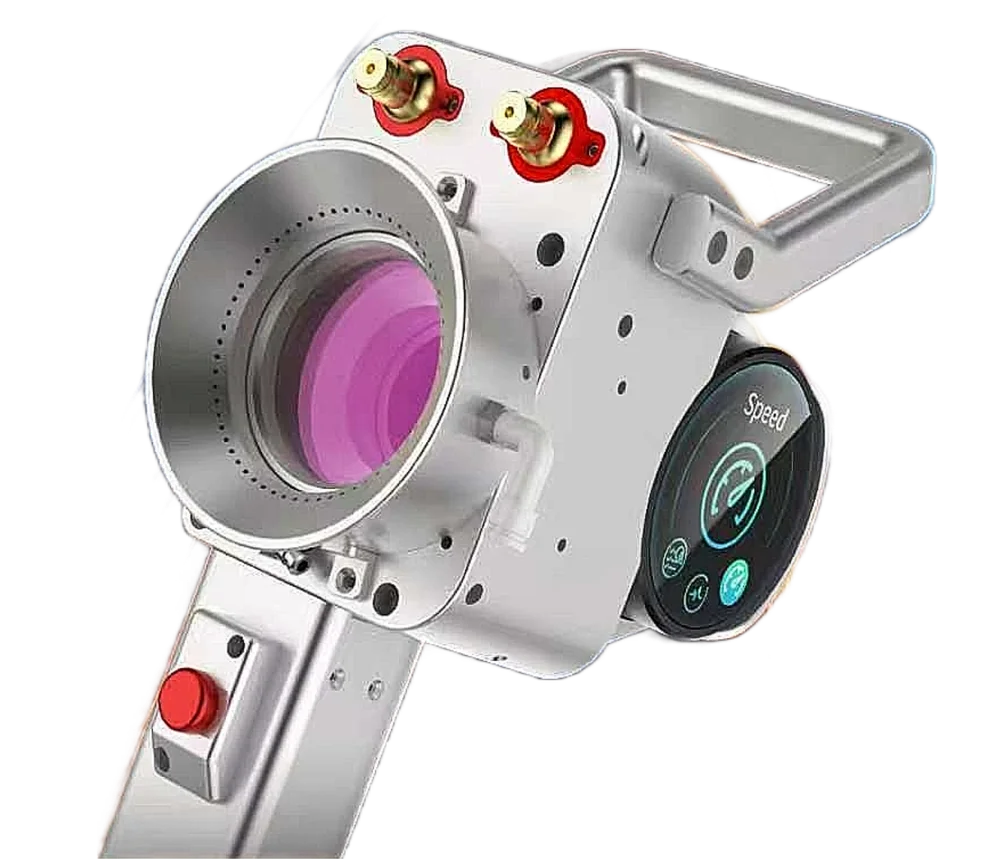
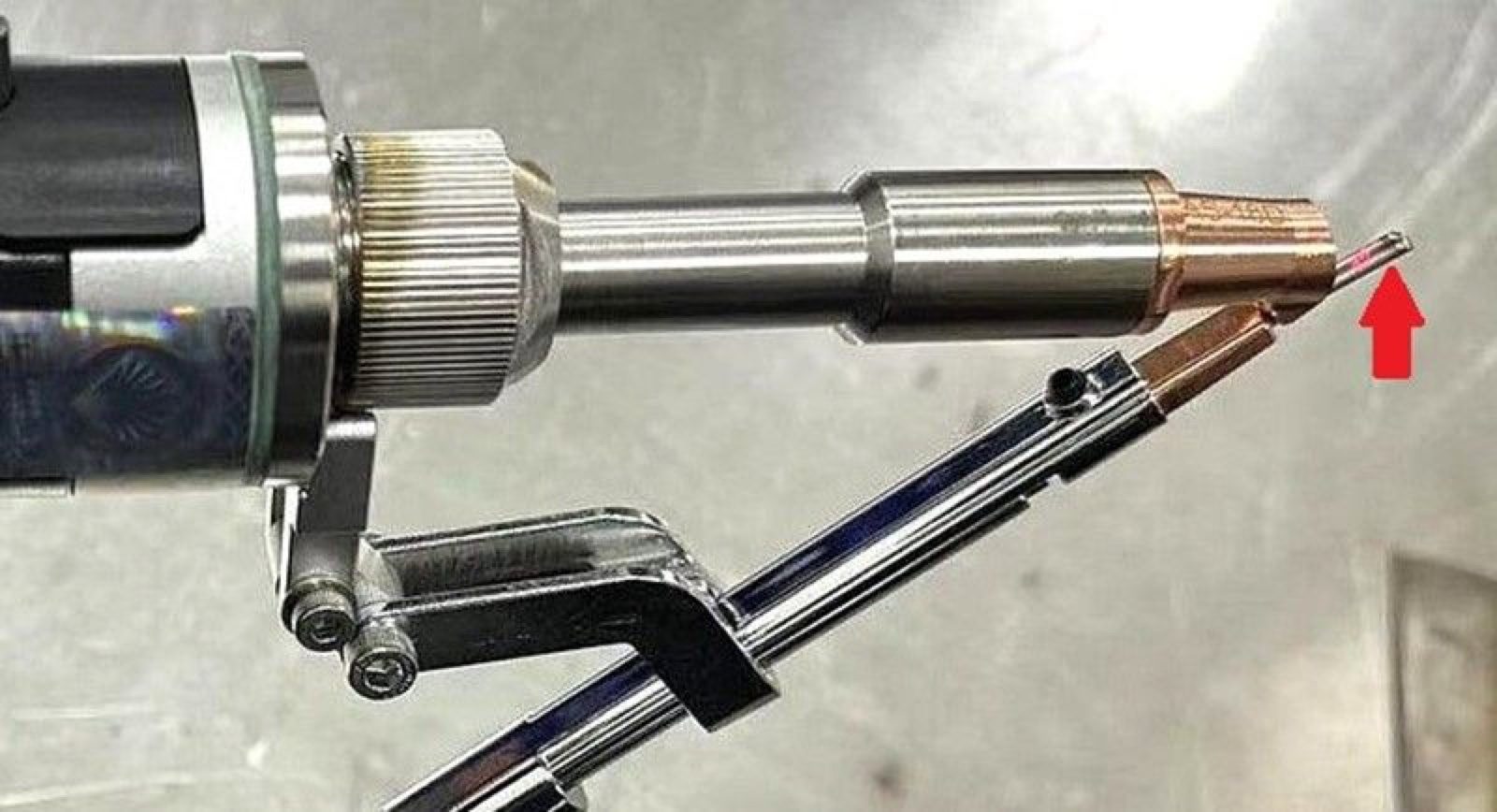
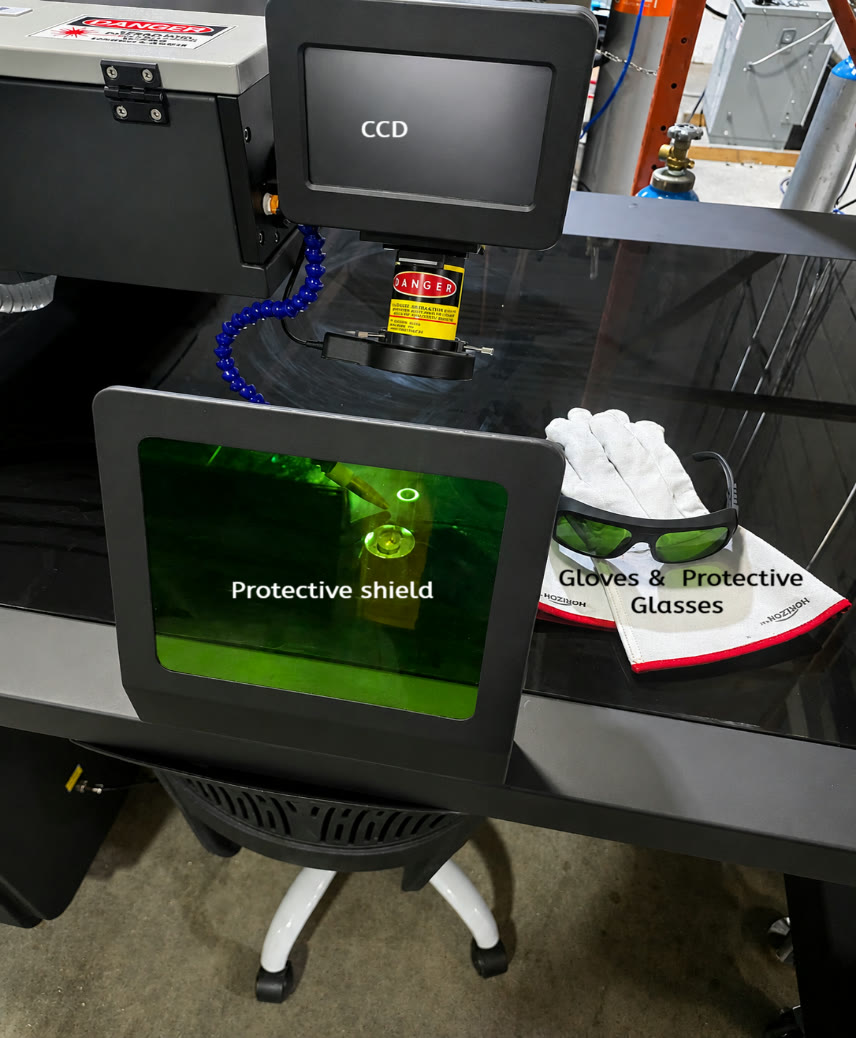
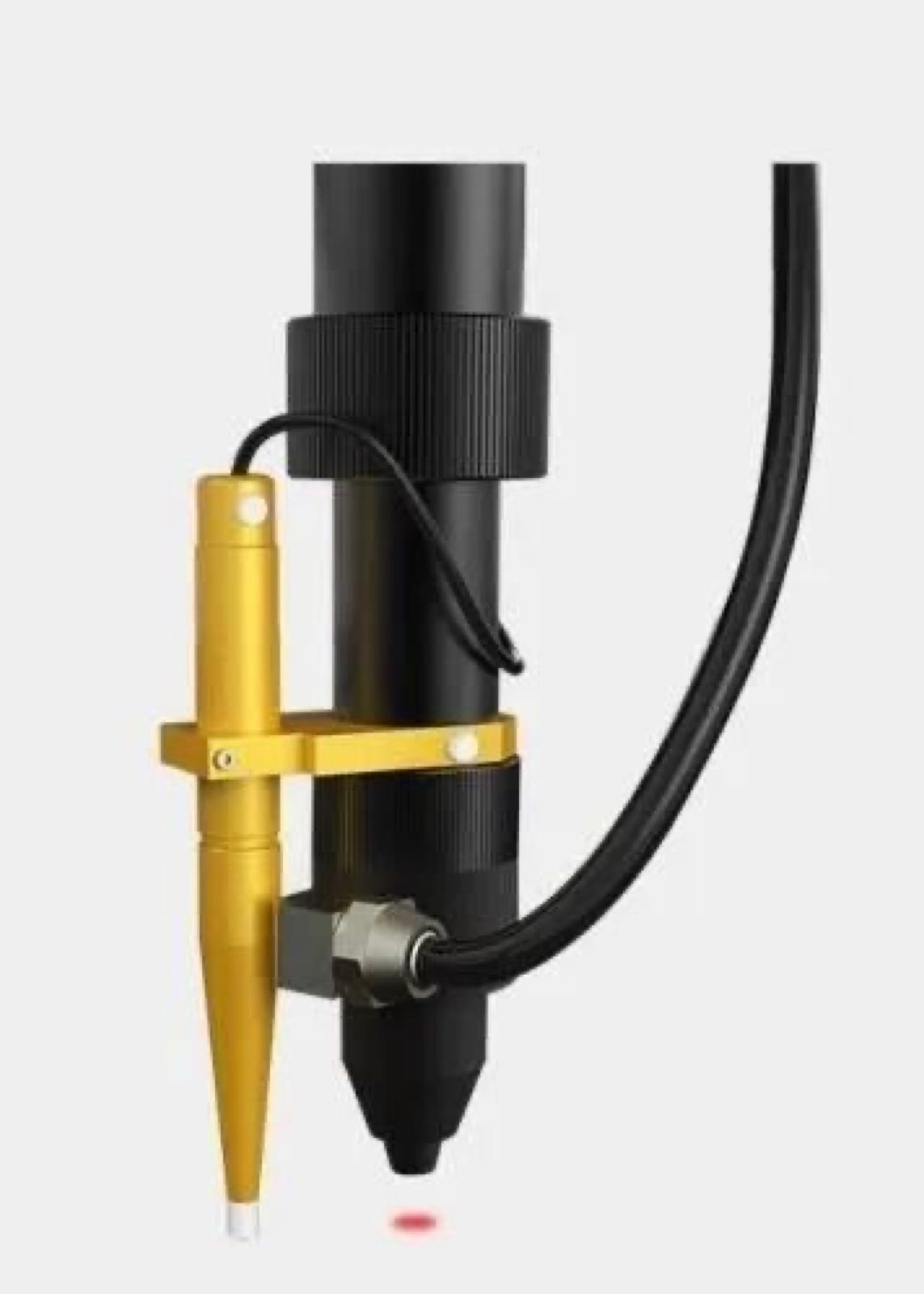
Think of these as separate tools, not rungs on a power ladder. A handheld torch travels to the workpiece, so it fits fabrication, assembly, and any part too large or oddly shaped to move. A fixed tabletop unit, with a microscope or camera over an XY table, does the reverse: the part comes to the beam for small, exacting repairs such as mold and die work, fine detail, and corrections to engraving.
Putting a handheld on tabletop-precision work, or a fixed system on shop-floor fabrication, ranks among the most frequent first-time mistakes.
Pulsed or continuous
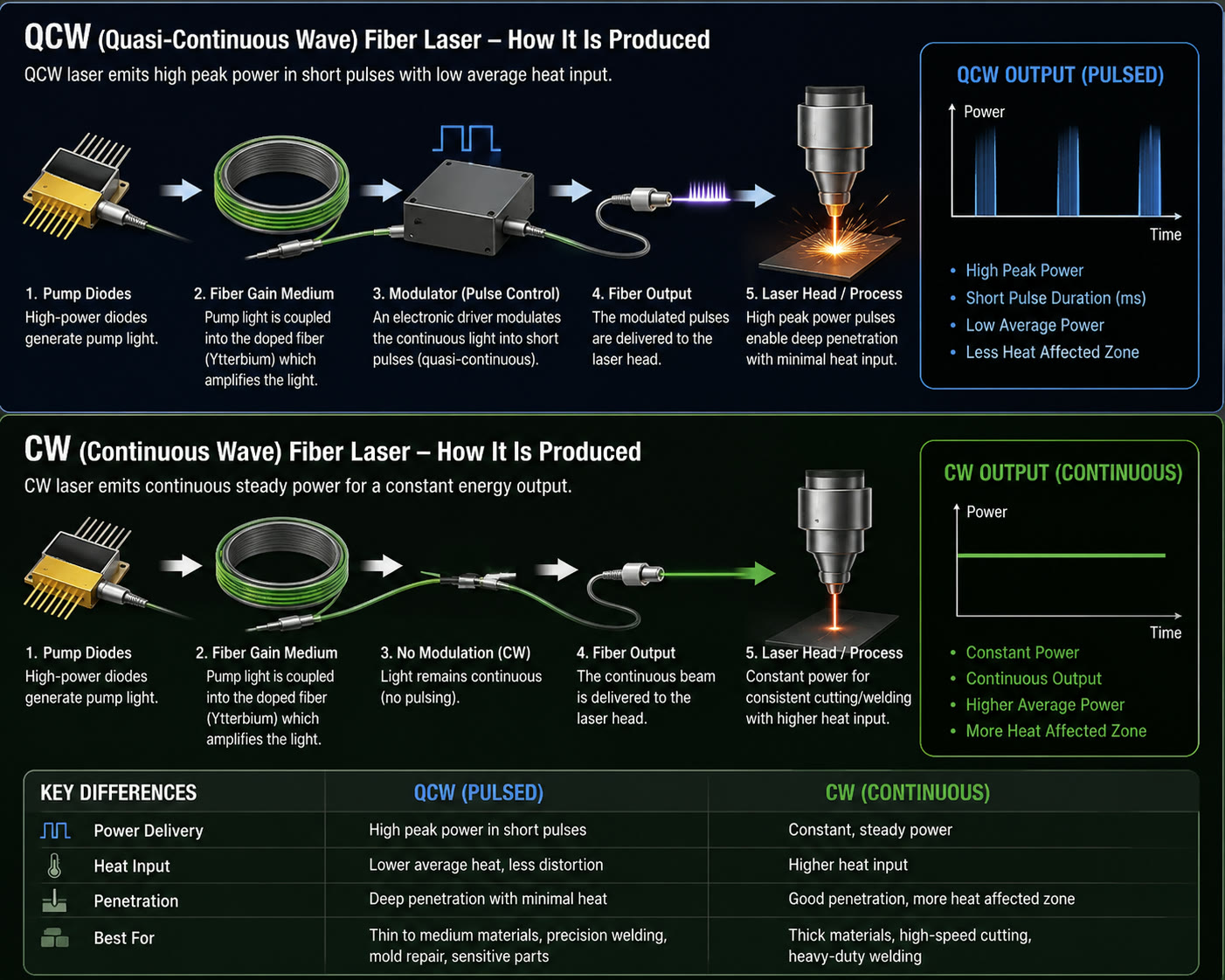
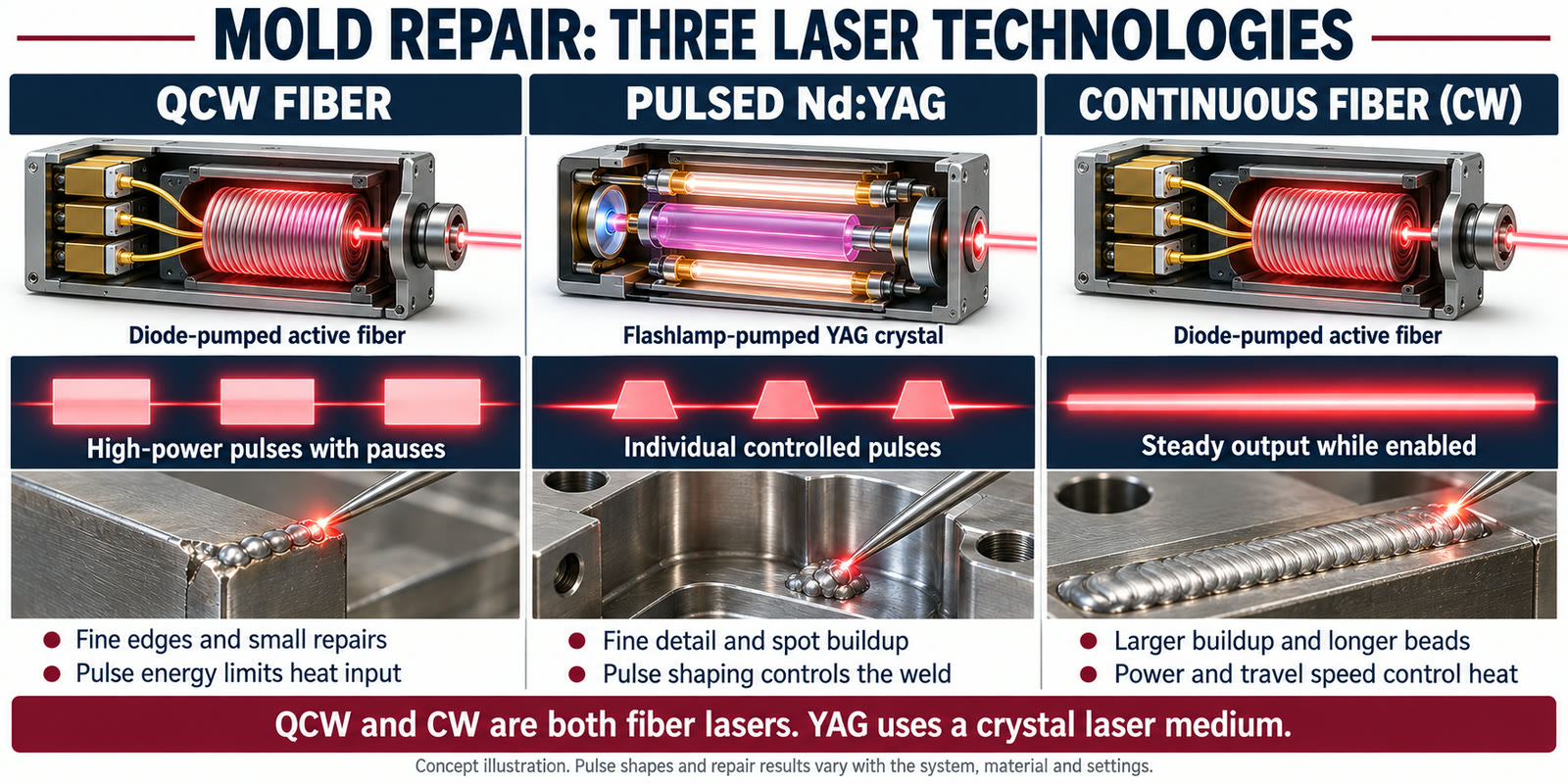
Here you're choosing how much heat the part absorbs. A continuous-wave laser holds steady power the entire time the beam is on. That works well for thicker metal and fast bulk welds, but it dumps more total heat into thin or heat-sensitive work.
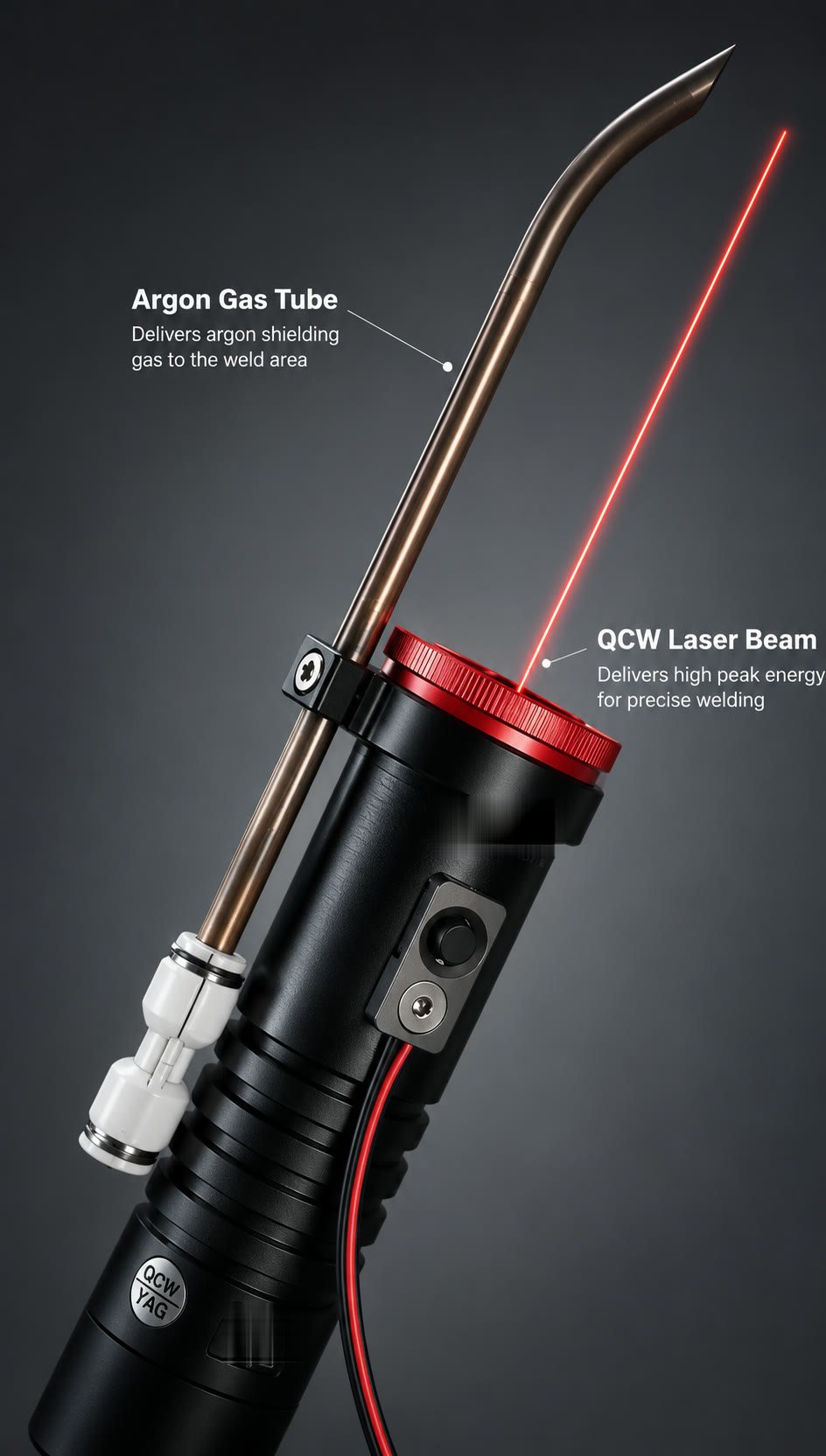
A quasi-continuous-wave (QCW) laser gives the same average power in short, high-intensity bursts. Its peak power sits well above the rated average, and the metal gets tiny pauses to cool between pulses. That makes QCW the better pick for thin aluminum, small stainless sections, and any job where warping or discoloration is a real risk. It also lets a laser with a modest average rating get through the reflectivity of bright metals such as copper and aluminum, because the instantaneous peak is what opens the weld pool.
Cooling
Most buying guides skip this, which is a mistake. Air-cooled machines are the simplest and least expensive, but they can't hold a high duty cycle; on long runs the laser backs off or shuts down to avoid overheating. A water chiller solves that at a cost: another system to maintain, another potential leak or freeze, and extra floor space.
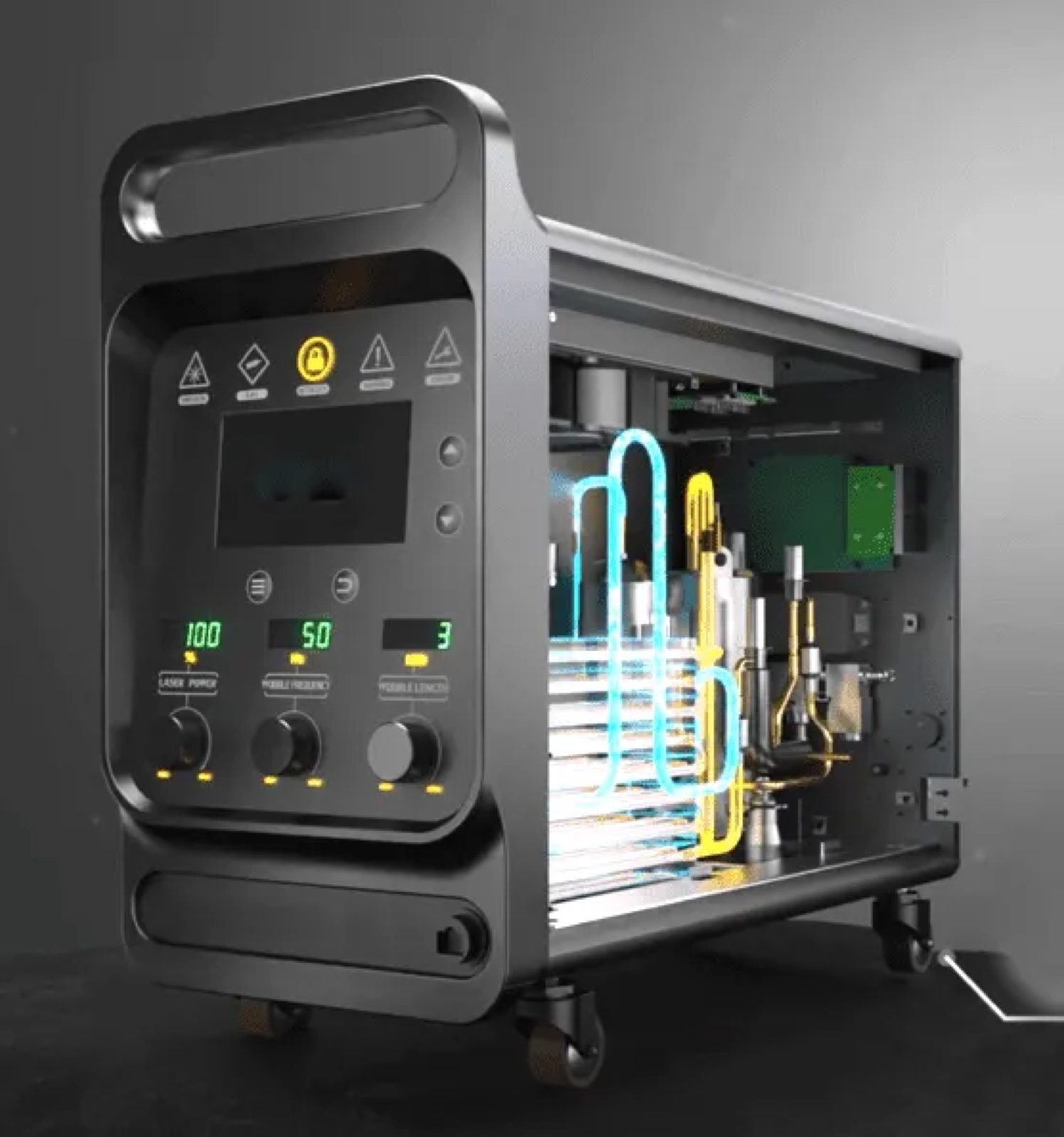
The newer alternative is refrigeration cooling, a sealed heat-pump loop that works on the same principle as an air conditioner instead of an open water circuit. It keeps a 100% duty cycle across a wide temperature range, needs less upkeep than a chiller, and has no water lines to route. If your shop will run the machine continuously, ask precisely how it's cooled. Sellers use "water-cooled" and "refrigeration-cooled" loosely, and you'll notice the difference the first time the machine runs a full day.
Safety gear belongs in the budget
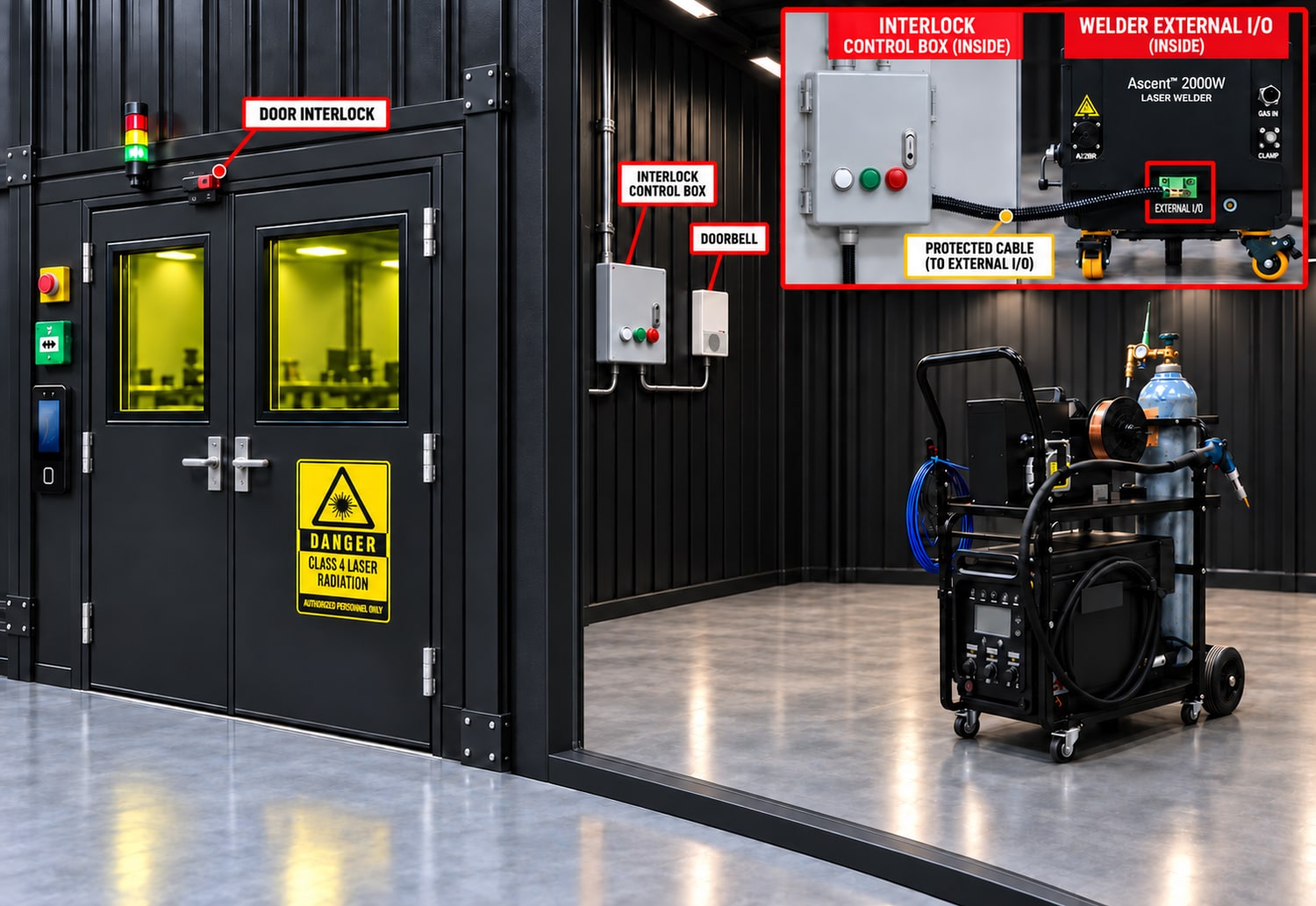
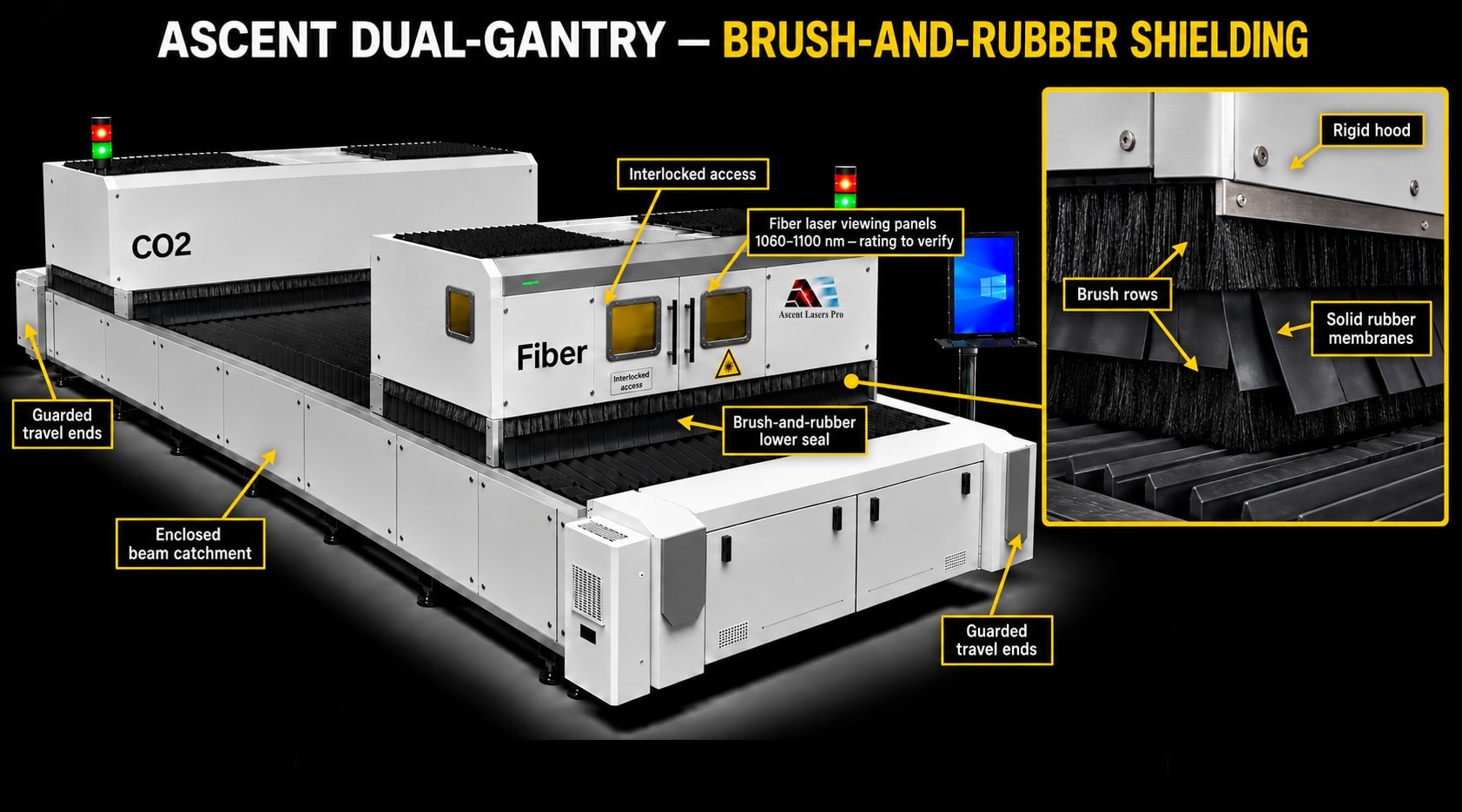
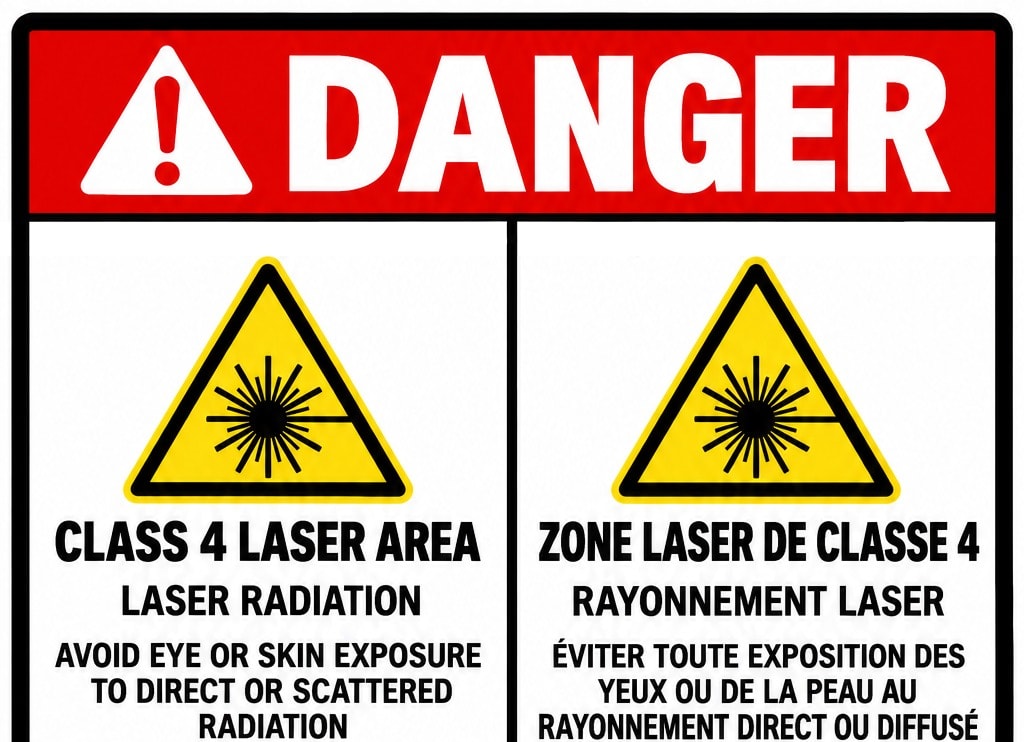
Every laser welder capable of serious work is a Class 4 device, whatever it cost. Plan for eyewear matched to the machine's actual wavelength (generic "laser glasses" don't qualify). Minimum OD 5; prefer OD 7 or 8. Add a barrier or enclosure around the weld station and, for a dedicated room, a door interlock that shuts off the beam when someone opens the door. Our laser safety page covers the details.
New buyers regularly put their entire budget into the machine and tack safety on afterward. Count it in from the beginning, not after a close call.
Check what the quote actually covers
The sticker price seldom tells the full story. Line your quotes up and put the same questions to each one:
- Is installation in the price, or invoiced once the crate lands?
- Is training done on-site or over a video call?
- How long is the warranty, and does it include labor or only parts?
- Does remote support last for the life of the machine, or only for a set period?
Two quotes with nearly identical totals can turn out thousands of dollars apart after freight, training and warranty are written out. Insist on every term in writing before you compare.
In short
Identify your thickest everyday material. Pick the power level that covers it with a little to spare, rather than the largest number on the price list. Pick handheld or fixed according to where the work happens, and favor QCW for thin, reflective or heat-sensitive metal. Ask how the machine is cooled and what the quote includes. With those answers in hand, the choice gets much easier.
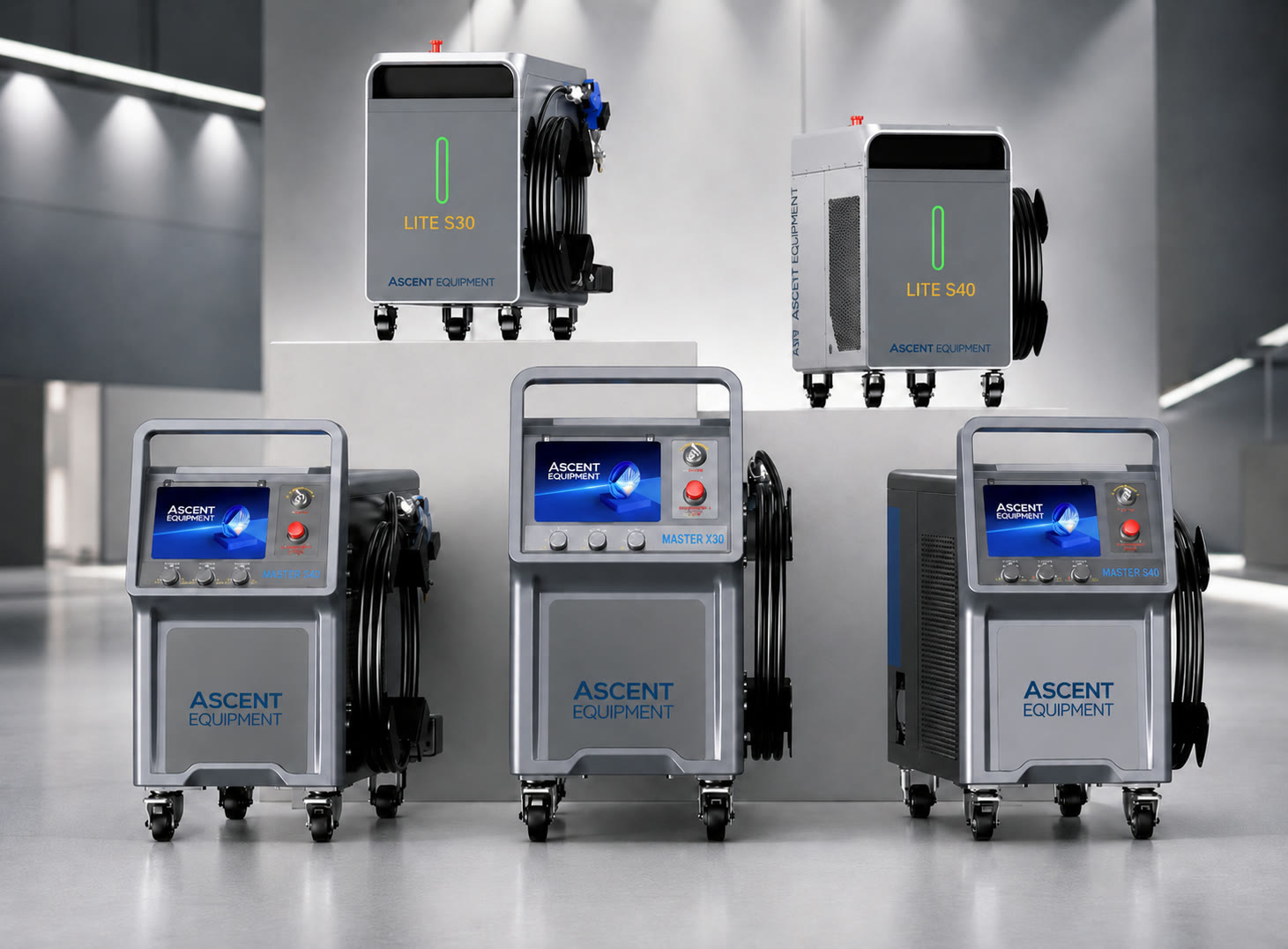
Two places to start: the Ascent refrigeration-cooled handheld welders and the QCW tabletop system for fine-detail work. With Ascent, installation and operator training at your facility are included in the price. Send your material and thickness through the contact form and we'll help you narrow it down.