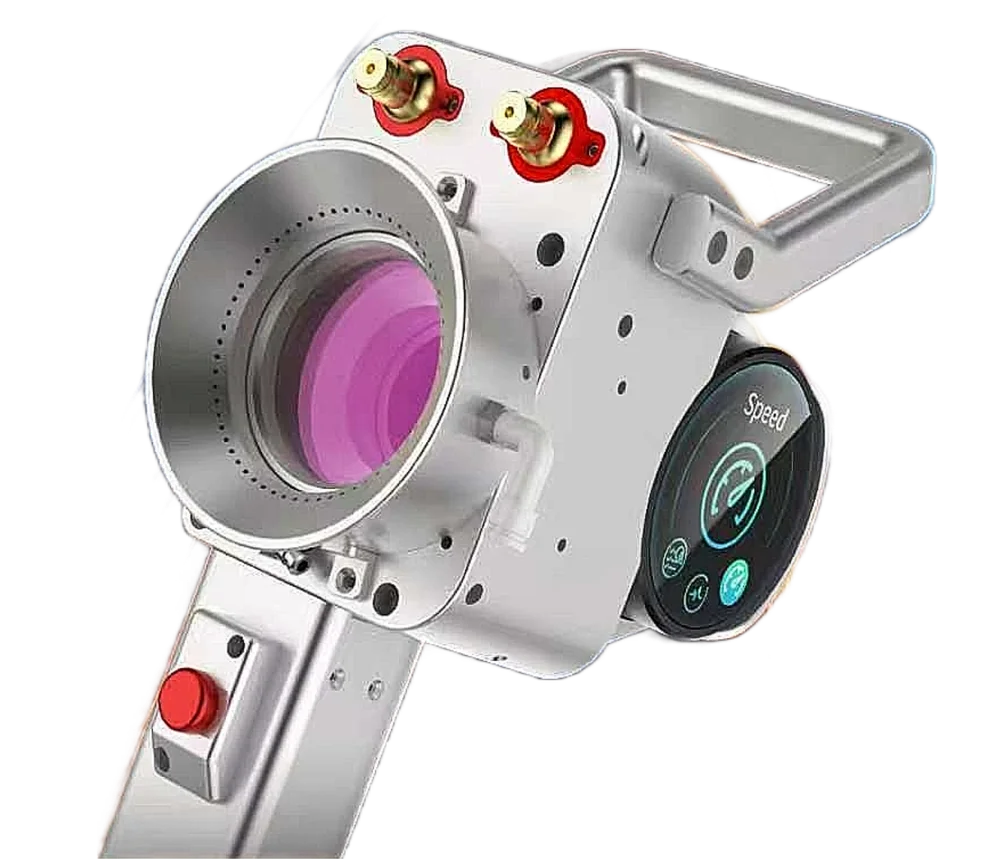
In a growing number of industrial shops, fiber laser cleaning has taken over from chemical stripping, abrasive blasting and grinding. It's faster and cleaner, it works without touching the part, and it leaves no chemical waste. Buying one for the first time is confusing, though. Machines range from small desktop units to large industrial systems, and the spec sheets are hard to read.
This guide takes you through the major decisions, which are laser type, power, cooling, the key specifications and the questions to put to a supplier. The advice holds for most industries.
What a fiber laser cleaner does
A laser cleaner aims an intense beam of amplified light at a surface. The contaminant layer, whether rust, paint, oxide, oil, scale or rubber residue, absorbs the energy selectively and vaporizes or ablates away. The base metal underneath reflects much of the laser at the wavelengths used. With the right machine and settings, the surface comes out clean, without chemicals or blasting media and with little or no change to the substrate. No laser cleaner guarantees damage-free results, though, so test the settings on your own parts.
It removes:
- Rust and corrosion
- Mill scale, plus the oxide welding leaves behind
- Paint, powder coat and anodized finishes
- Oils, greases and shop lubricants
- Rubber and plastic left behind in molds
- Soot and smoke staining
- Coatings on aerospace parts
It does not:
- Strip away stock; it works on the surface and is neither a cutting nor a grinding tool
- Stand in for mechanical deburring or edge breaking
- Weld, cut or reshape anything
The first decision: pulsed or continuous wave
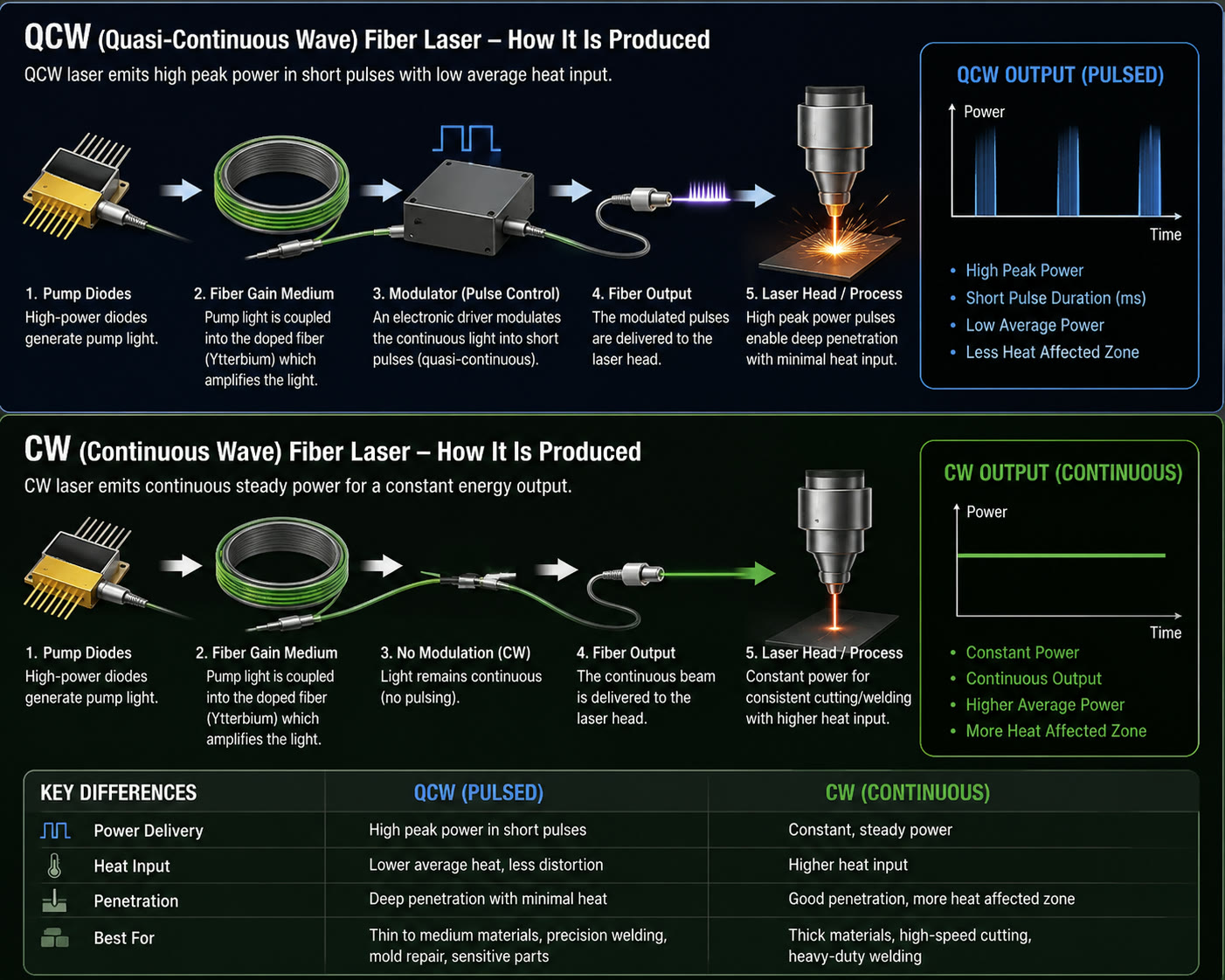
Settle one question before wattage, brand or price: pulsed or continuous wave (CW)? The two technologies work differently, cost differently and fit different applications.
Continuous wave (CW) cleaning
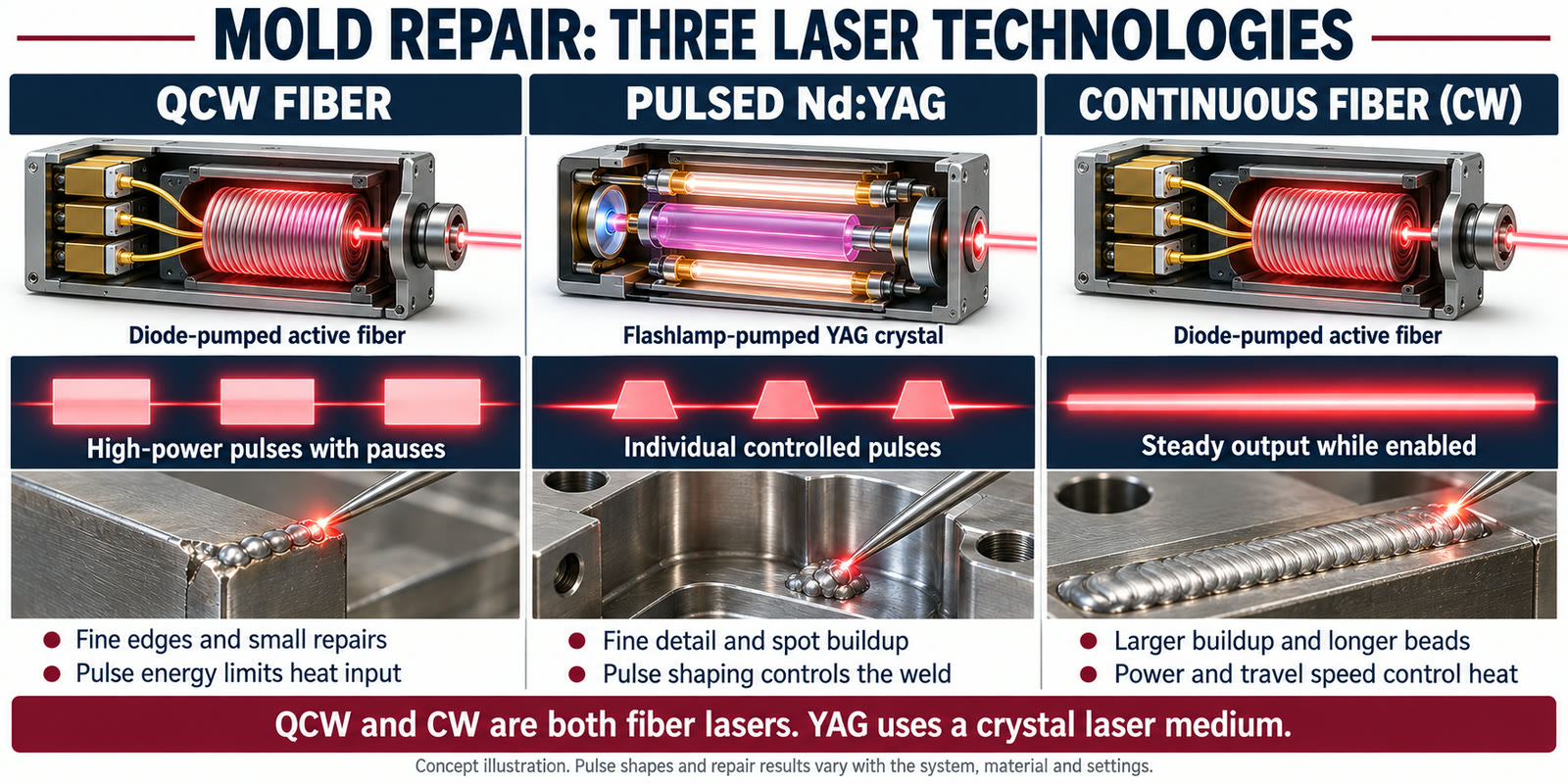
A CW laser emits an unbroken, steady beam. It puts maximum power on the surface the whole time, which makes it very fast at stripping heavy contamination over large areas. It also pushes a lot of heat into the base metal.
Good for:
- Stripping heavy rust and thick scale from structural steel
- Taking paint off large industrial equipment, vehicles or infrastructure
- Cleaning steel of 3mm and above before welding, where the added heat is acceptable
- Production runs where speed matters most
Not the right choice for:
- Thin metal, under roughly 2mm, which warps easily
- Precision parts that need tight surface-temperature control
- Paint or coating removal on aluminum or thin stainless when the substrate must come through unharmed
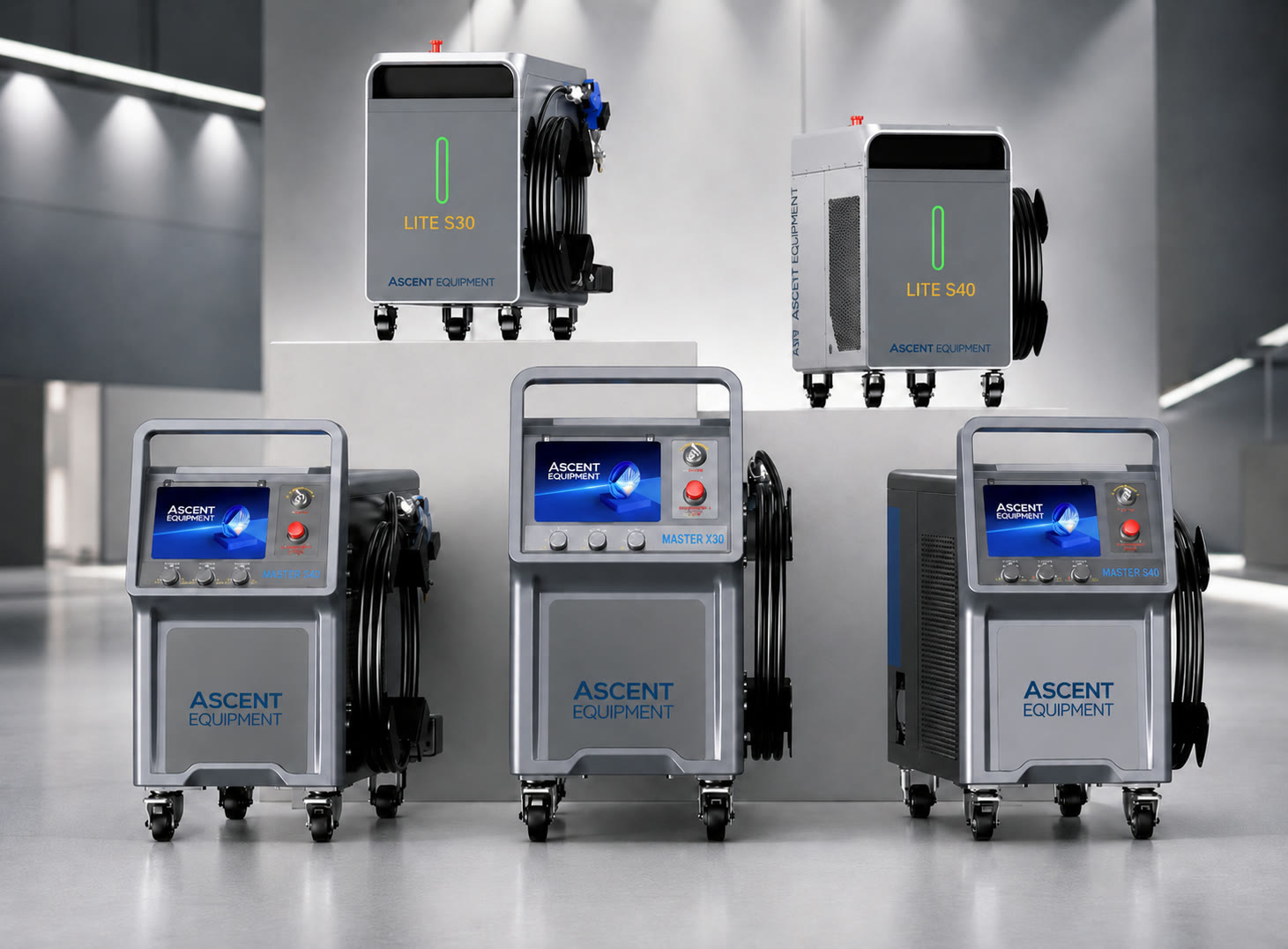
Power range: CW machines usually start around 1000W and reach 3000W and beyond. The Ascent MASTER X series covers 1500W, 2000W and 3000W (X50C, X60C and X80C).
Pulsed cleaning
A pulsed laser fires extremely short bursts, nanoseconds to microseconds long, each with high peak power. A pulse carries enough energy to vaporize the contaminant layer and ends before much heat can conduct into the substrate, which leaves a much smaller heat-affected zone.
Good for:
- Delicate or thin metal that heat could damage
- Clearing oxide and heat tint from stainless steel after welding
- Taking paint or coatings off precision parts with little risk of warping or discoloring them
- Cleaning molds, lifting rubber, plastic or resin residue out of injection molds while protecting the tool surface
- Aerospace parts held to tight surface-finish tolerances
- Restoration of historical artifacts and monuments
Not the right choice for:
- Thick, heavy rust across big structural areas, where it runs slower and costs more per square foot than CW
- Production-scale industrial cleaning where throughput rules
Power range: pulsed machines range from under 100W to 1000W or more of average power, and each pulse peaks far higher. Ascent's pulsed systems are 500W and 1000W, both water-cooled.
Side by side
| Factor | Pulsed | Continuous wave (CW) |
|---|---|---|
| Heat reaching the base metal | Very low | Higher |
| Warping risk on thin metal | Low | Higher |
| Coverage speed on big areas | Slower | Fast |
| Best contamination | Light to moderate; precision jobs | Heavy, thick, large-area |
| Cost per watt | Higher | Lower |
| Typical power range | Under 100W to 1000W | 1000W to 3000W+ |
| Typical industries | Aerospace, molds, precision parts, restoration | Steel fabrication, automotive, infrastructure |
Matching power to the job
Power sets the cleaning speed and how tough a contamination problem the machine can handle.
- 50W to 100W: thin paint, light oxide and fingerprints on small precision parts. Heat input is very low, which suits delicate restoration, electronics and fine detail work, though coverage of large areas is slow.
- 200W to 300W: the usual all-purpose choice. Moderate rust, thin-to-medium paint and weld oxide on small-to-medium parts are well within reach, with speed, cost and heat control in good balance, so it covers a broad range of shop work.
- 500W: heavier rust and thick coatings, with quicker coverage of medium-to-large surfaces. Fabrication shops and automotive restorers use it widely, and on thicker steel the heat input remains manageable.
- 1000W: pulsed industrial work on larger surfaces. Ascent's pulsed 1000W system lists a cleaning area of up to 20 m² (215 sq ft) per hour with its upgraded head.
- 1500W: CW industrial work, covering large surfaces fast and dealing with severe rust and scale. Ascent's MASTER X50C runs at 1500W.
- 2000W to 3000W: high-production settings, with top speed on the heaviest contamination. Ascent's MASTER X80C runs at 3000W. At this level, ventilation, fume extraction and operator training are essential.
A general rule: don't overbuy on power. A machine twice as powerful isn't twice as useful if it damages your parts with heat or exceeds your real cleaning volume. Start from a realistic picture of your material thickness, your contamination and your daily cleaning volume.
Where laser cleaning is used
| Industry | How it's used |
|---|---|
| Manufacturing and metal fabrication | Most often used to prepare surfaces before welding and tidy them afterward. Oxide, oil and mill scale in the weld zone cause porosity, uneven penetration and discoloration; a laser strips them precisely, with no masking or chemical treatment. After welding, it takes the heat tint off stainless steel and titanium without touching the part. |
| Automotive and transportation | Selective paint stripping is a big one: the coating comes off only where you want it, with no full strip and repaint. Engine parts, transmission components and structural members get oil, grease and scale removed before assembly or welding, and rail and heavy-equipment maintenance relies on CW lasers to clear rust from large areas. |
| Aerospace and defense | Pulsed cleaning is the standard here because of thermal sensitivity and surface-finish requirements. Typical jobs are stripping coatings from aluminum and titanium, removing oxide from weld zones and cleaning precision-machined surfaces. Class specifications and traceability requirements steer buyers toward suppliers that can document the laser parameters and the surface results. |
| Molds and tooling | Injection molds trap rubber, silicone, plastic residue and release agents in recesses that are tough to reach by mechanical means. Pulsed cleaning with tested settings lifts it out while protecting the mold's surface and dimensions, which matters for holding part tolerances. With mold downtime so costly and abrasive methods so risky for the tool, this is among the strongest financial arguments for laser cleaning. |
| Infrastructure and restoration | CW cleaners handle structural steel, bridges, pipelines and historical monuments, clearing rust over large areas and readying surfaces for coating. Having no blast media to contain and no chemicals to neutralize is a real operating advantage at outdoor and heritage sites. |
Cooling
The laser source generates heat while it runs and needs cooling to keep its performance and lifespan.
Air-cooled systems are lighter and more portable and need no separate chiller. They suit intermittent cleaning, with shorter sessions and natural breaks. Under sustained, high-duty-cycle operation they may throttle their output or need rest periods. They make sense below about 500W, or where the daily cleaning load is modest.
Water-cooled systems use a separate chiller to hold the laser source at temperature through continuous operation. They are better at sustained high-power work, but they add a machine to maintain, since the chiller needs coolant changes and periodic service. They are common on 1000W+ industrial CW systems.
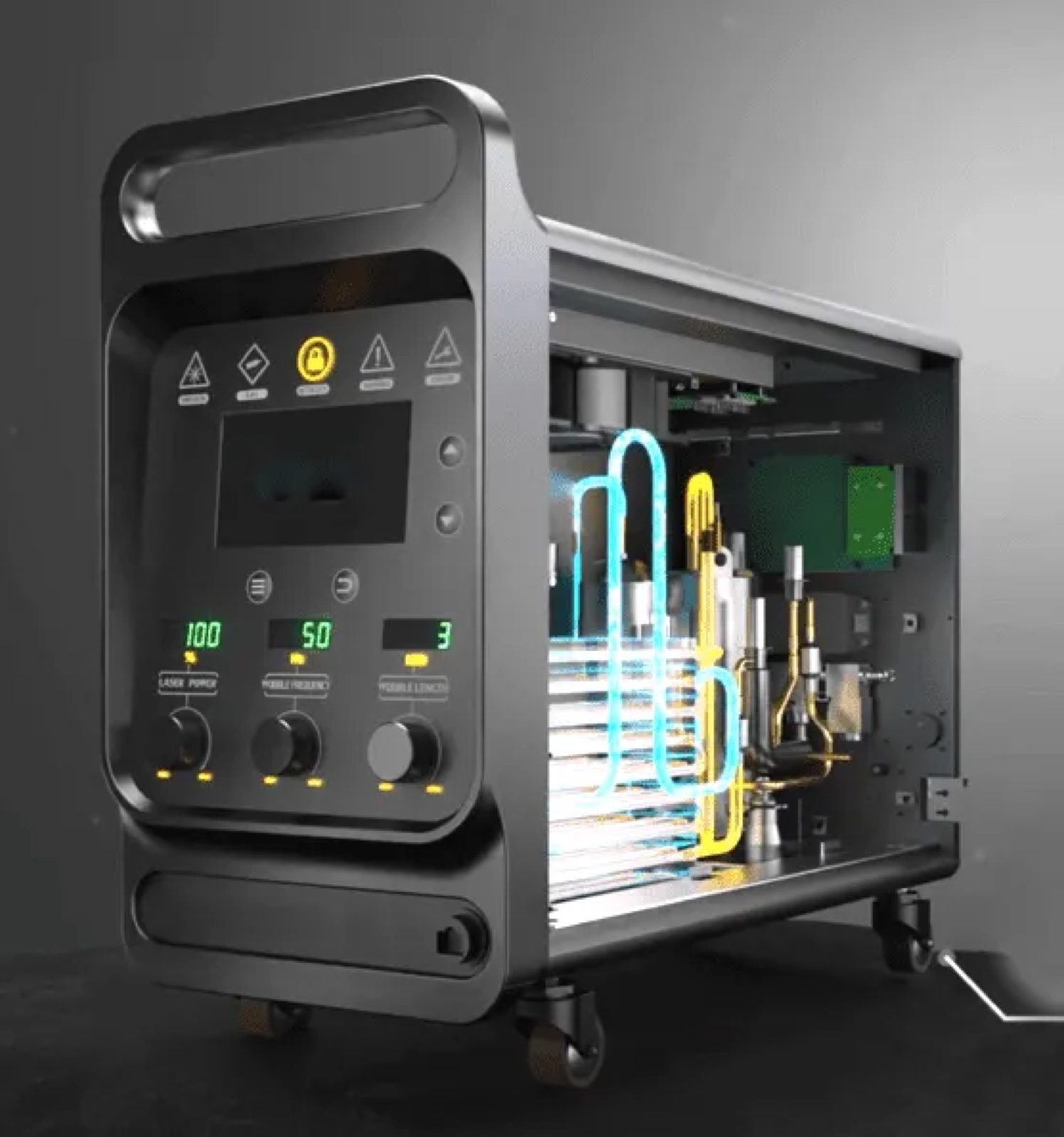
Refrigeration or heat-pump systems have a built-in refrigeration circuit, similar to HVAC technology, that holds temperature continuously with no separate chiller. They suit continuous production and shops where the temperature swings, such as a cold building in winter or a hot one in summer. On the Ascent MASTER X series, the power source is cooled by R410A refrigerant and held at a constant 30°C (86°F), and the machine is rated to work from -30°C to 60°C (-22°F to 140°F).
Once you're running 1000W or more of CW power through production shifts, water or refrigeration cooling stops being optional.
Specifications worth understanding
- Average power (W): how much energy lands on the surface each second, which is the true measure of cleaning power and the figure to compare between machines.
- Peak power (W or kW): this matters for pulsed machines. A high peak lets each pulse blast off the contaminant before heat can spread, so a pulsed machine and a CW machine with the same average rating clean very differently.
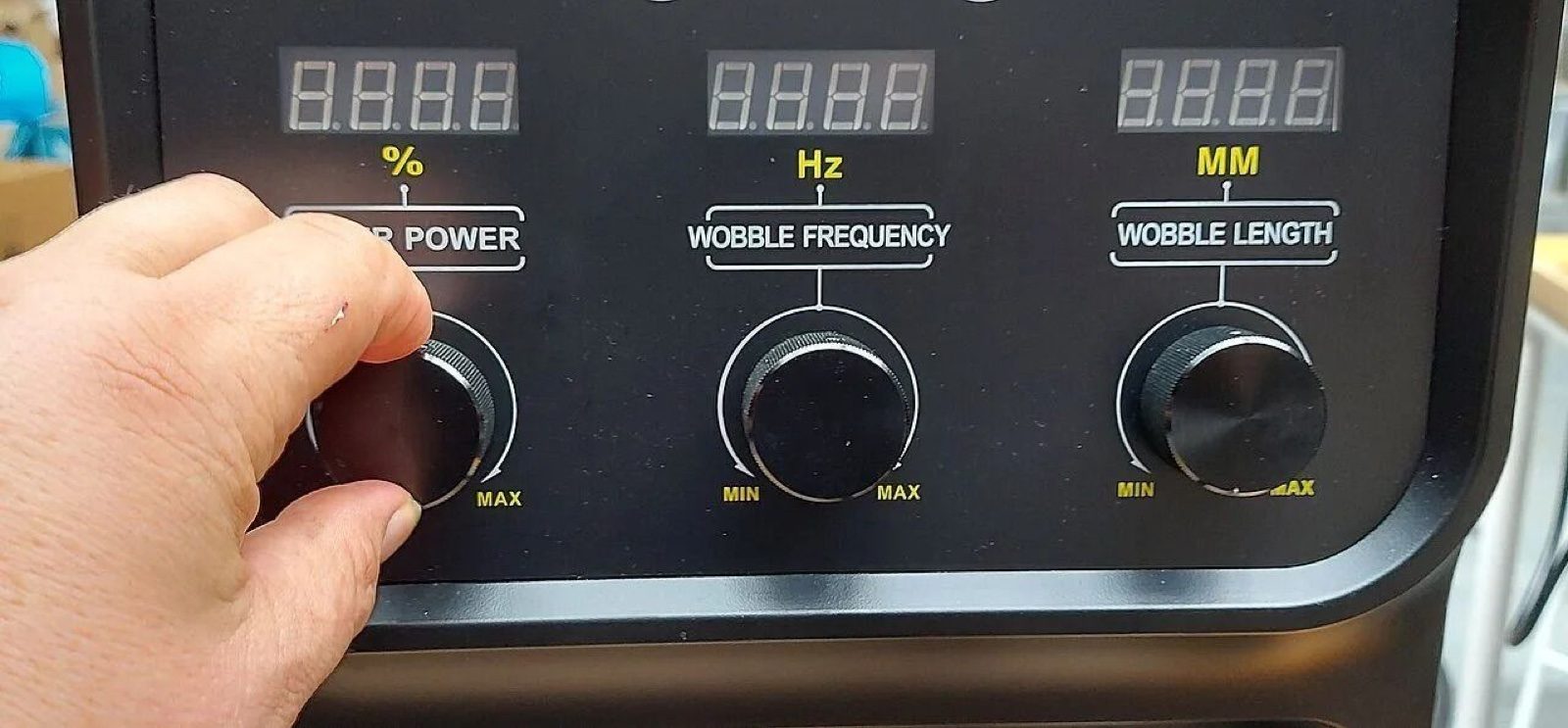
- Pulse frequency (Hz or kHz): the number of pulses per second. An adjustable frequency lets you tune the machine to different materials and contamination.
- Spot size or beam width (mm): the width of the cleaning path on each pass. Wider is faster on large surfaces, and narrower is more precise for detail work. Many systems come with interchangeable lenses.
- Scan width (mm): a scanning head moves the beam back and forth over a wide band while the operator holds the gun still, which speeds up work on large surfaces.
- Duty cycle: the share of the time the machine can run at full power before it needs a rest. A 100% duty cycle means continuous operation, and air-cooled systems at high power often can't sustain it.
- IP rating: the IP code tells you how well the machine is sealed against dust and water. Check it against your environment. The Ascent MASTER X is rated IP43, and the control enclosure on the pulsed systems is rated IP64.
What a supplier should be able to tell you
Before you buy, any reputable supplier should answer these questions clearly:
- Is it pulsed or CW, and for a pulsed machine, what is the peak power?
- How long can it run at full rated power (the duty cycle)?
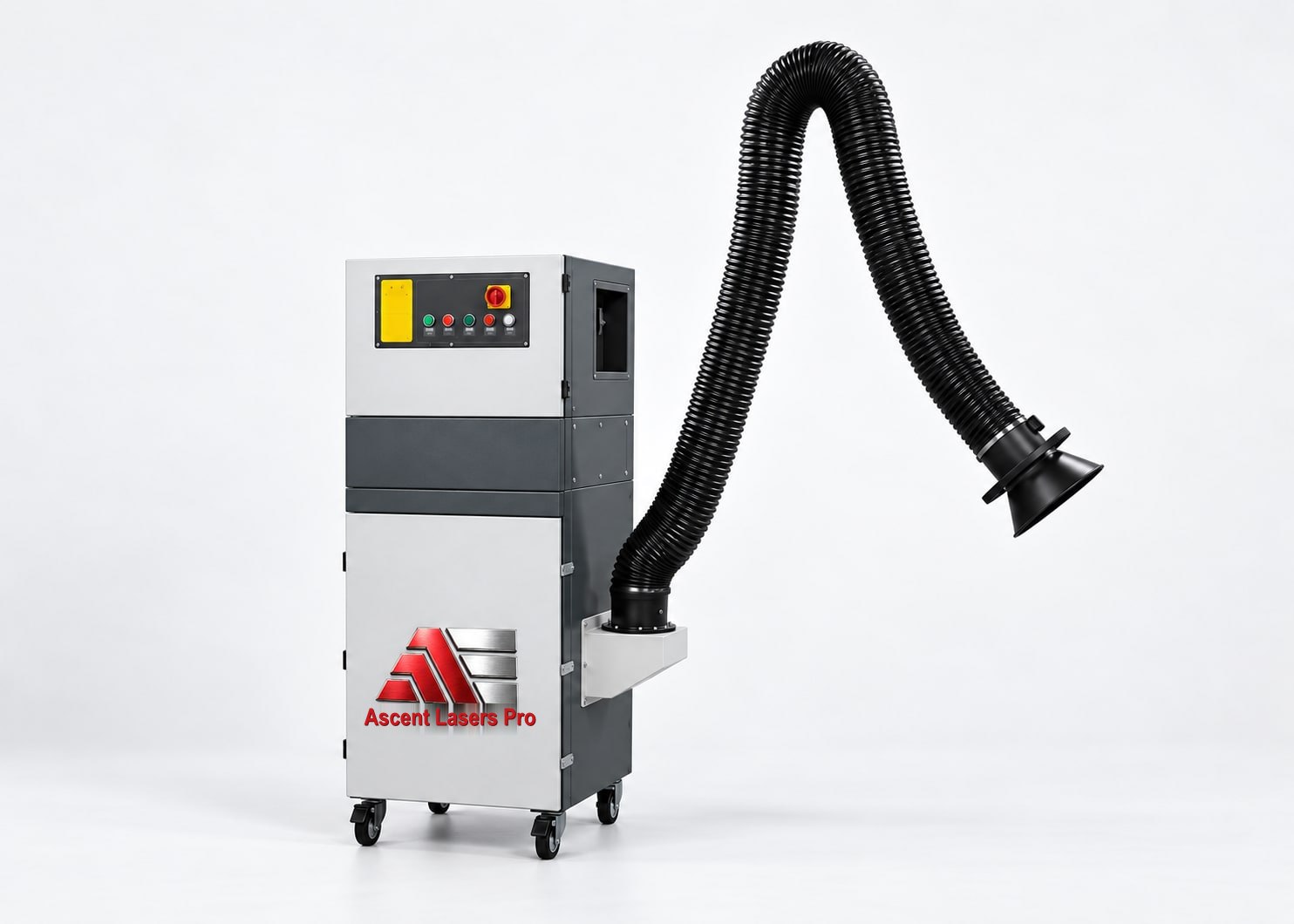
- Which fume extraction do you advise for the materials we'll clean?
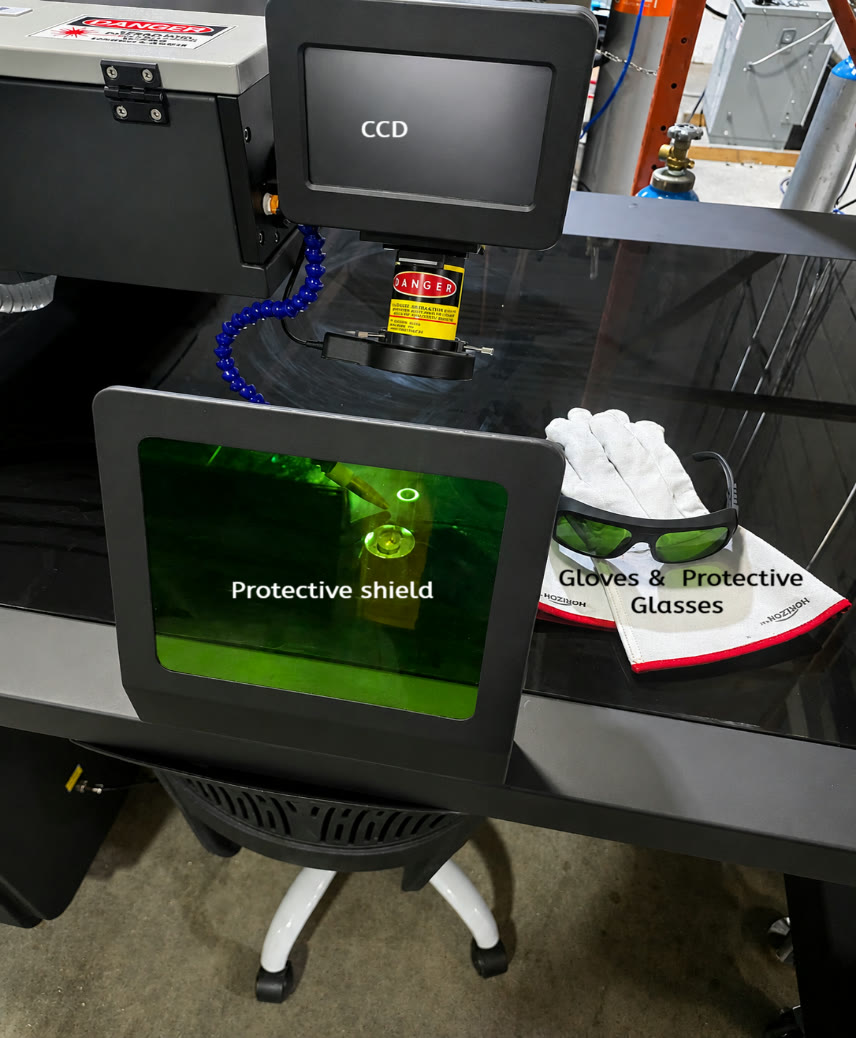
- What laser safety eyewear, by OD rating and wavelength, do operators and bystanders need?
- Is on-site installation and operator training part of the deal?
- Who manufactures the laser source, and how long is it rated to last?
- Can I get parts and service in North America?
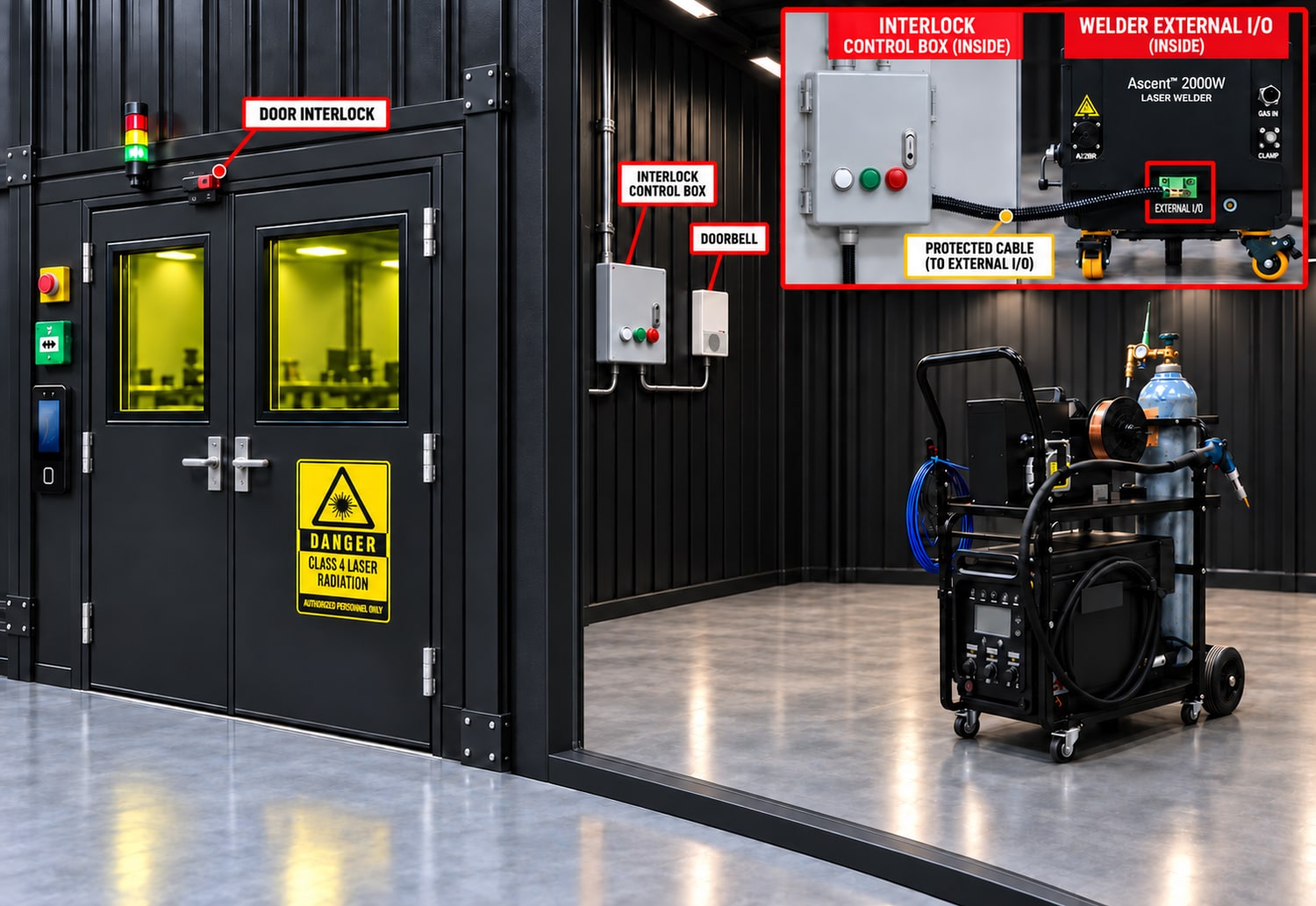
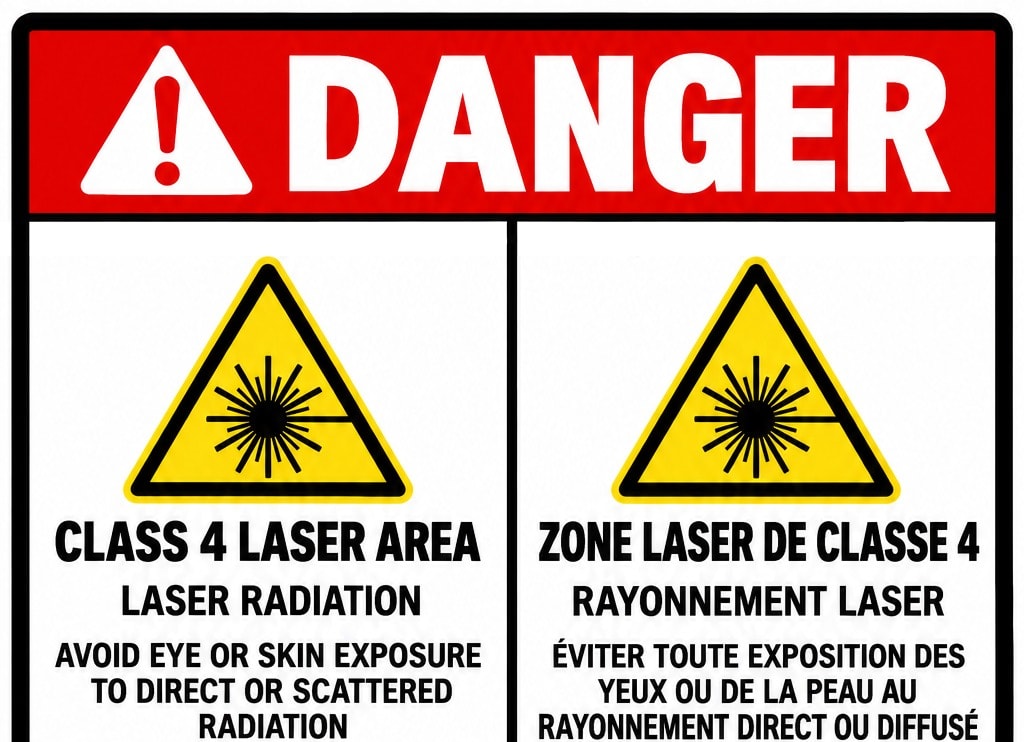
These are Class 4 laser devices. If a supplier can't spell out the safety requirements before the sale, be cautious about buying from them.
Red flags while shopping
- A "pulsed" machine with no peak power figure. It could be a CW system being passed off as pulsed.
- Silence on fume extraction. Cleaning turns contaminants into fine metallic particulate that has to be captured.
- An unstated duty cycle. Without it you can't tell whether the machine will keep up with your real production volume.
- Vague multi-function claims. A machine sold as doing everything should still give clear cleaning specifications. Ask for them.
- Overseas-only service and support. When a machine goes down, waiting for international parts and service can cost more in lost production than the original saving.
Selection checklist
| If you need | Choose |
|---|---|
| Light to moderate contamination, thin or precision metal | A pulsed laser cleaner |
| Heavy rust, thick coatings, large areas, production speed | A CW laser cleaner (1000W to 3000W) |
| Both precision and heavy-duty work | A CW machine as the primary tool plus a pulsed option, or ask your supplier |
| Intermittent use, portability | Air-cooled |
| Production shifts, high duty cycle | Water or refrigeration cooling |
| From the supplier | On-site installation and training, North American service, clear safety specifications |
Ascent Lasers Pro sells fiber laser cleaning machines: CW systems from 1500W to 3000W (MASTER X50C, X60C and X80C) and pulsed systems at 500W and 1000W. Ascent laser complies with applicable FDA laser product requirements. Installation and operator training at your facility are included in the price, the cleaners carry a 2-year warranty on workmanship and non-consumable parts, and technicians work out of Buffalo, Toronto and Kentucky. A laser cleaner is a Class 4 laser, so plan for eyewear (minimum OD 5; prefer OD 7 or 8), a controlled area and fume extraction. See our laser safety page.
To discuss which system suits your materials, contamination type and production volume, contact us.