A veteran MIG or TIG welder has every reason to doubt a laser. They've put years into a craft, and being asked to trade it for a new machine can feel like being told that craft doesn't count. If you want an honest conversation, begin there, before any specs.
You aren't claiming that laser beats everything. You're saying it is the right tool for certain work, thin and medium aluminum above all, that MIG and TIG struggle with, and that the welder's existing skills stay valuable everywhere else.
Two kinds of welder, two kinds of doubt
TIG people tend to see welding as a craft. They care about precision, they're suspicious of shortcuts, and they've heard enough marketing to tune it out, so show them results. MIG people are production-minded and care about throughput, cost and speed. Large purchases and unfamiliar technology make them nervous, so talk numbers: speed and payback.
Most shops use both processes, MIG on heavier steel and TIG for finer aluminum work, and now and then MIG gets tried on aluminum with uneven results. A laser isn't a takeover bid. It works best on thin to medium aluminum, about 0.040" to 0.125", and it isn't meant for thick structural jobs. Say that early and you'll be believed.
Aluminum is where the argument is won
Both MIG and TIG have a hard time with aluminum, which is exactly where a laser pays off.
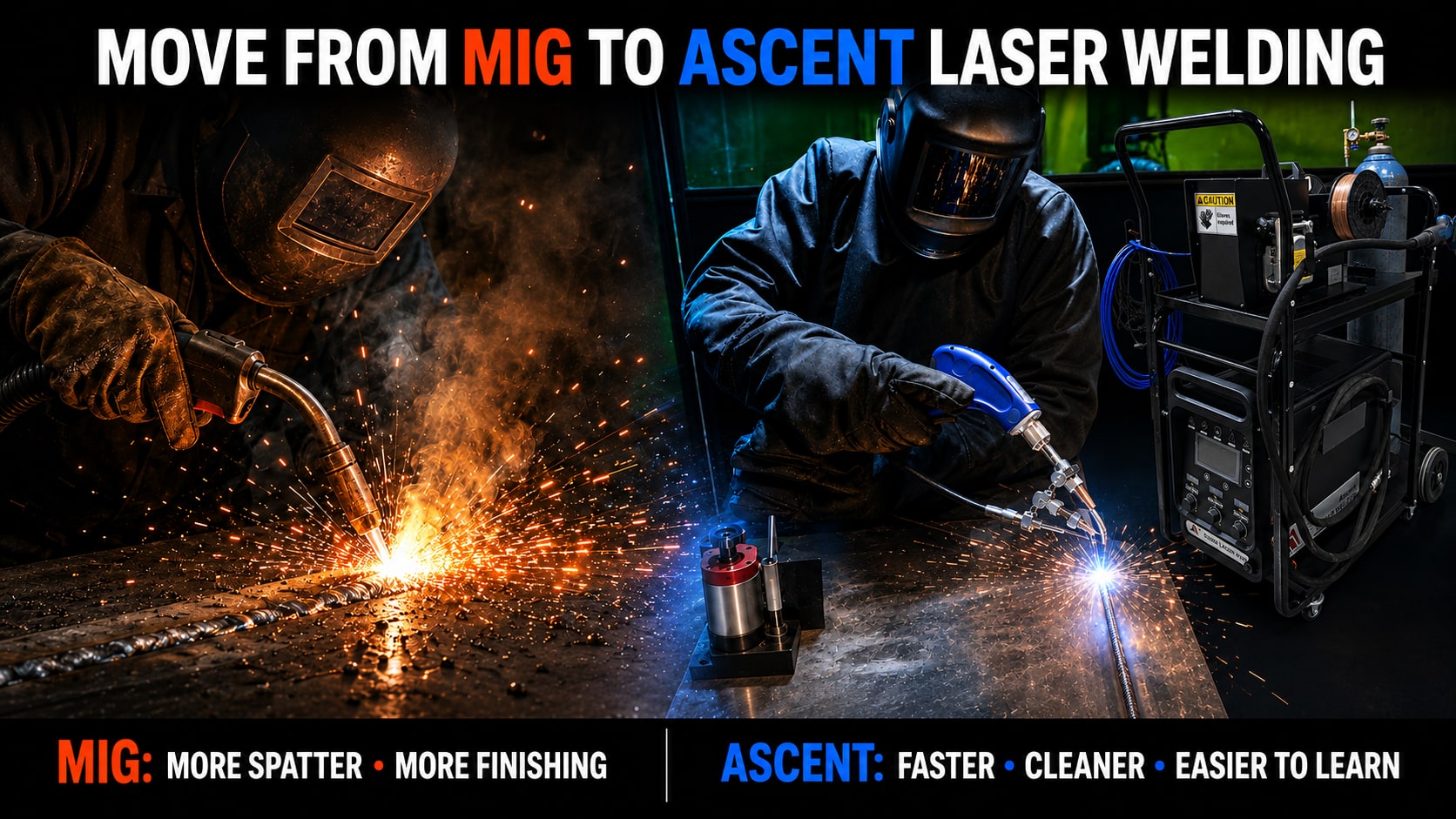
With MIG, the wire is soft and needs special equipment, the arc runs hot and throws spatter, and on thin gauges like 0.040" it blows through before a good weld can form. Heavier gauges are easier but still warp and call for plenty of grinding. Frankly, much of what shops call "aluminum MIG" ends up sanded and repainted.
TIG is the cleaner choice, with more control, but it's slow and demanding. Aluminum calls for AC current, and keeping porosity and burn-through under control on thin stock takes real skill. Corners and curves at 0.040" trouble even experienced welders. At 0.125" it behaves, but below that it's a fight the whole way.
The laser avoids most of this:
| Thickness | MIG | TIG | Laser |
|---|---|---|---|
| 0.040" | Blows through; hard to control | Slow, and the part warps | Designed for it; no burn-through |
| 0.063" | Blows through; spatter | Works, but slow, with grinding | Fast and clean; no filler needed |
| 0.080" | Hot but workable | Good, though slow | Very quick, narrow bead |
| 0.125" | Requires joint prep | Good penetration | Strong; filler may be needed |
What the shop notices day to day
Once a shop moves from MIG or TIG to laser, this is what changes:
| Factor | MIG | TIG | Laser |
|---|---|---|---|
| Spatter | Plenty | None | None |
| Warping | High | Medium | Minimal |
| Filler rod | Always | Always | Usually not needed |
| Grinding | Usually | Light | Minimal |
| Skill level needed | Moderate to high | High | Low to moderate |
| Repeatability | Varies | Varies | Repeatable |
| Corners and curves | Difficult | Difficult | Straightforward |
| Heat discoloration | Heavy | Moderate | Minimal |
On finished work, the last rows matter most. Without heat discoloration, brushed stainless and anodized aluminum need no cleanup, and on parts with corners, brackets or formed sheet, the laser is faster and more repeatable than TIG.
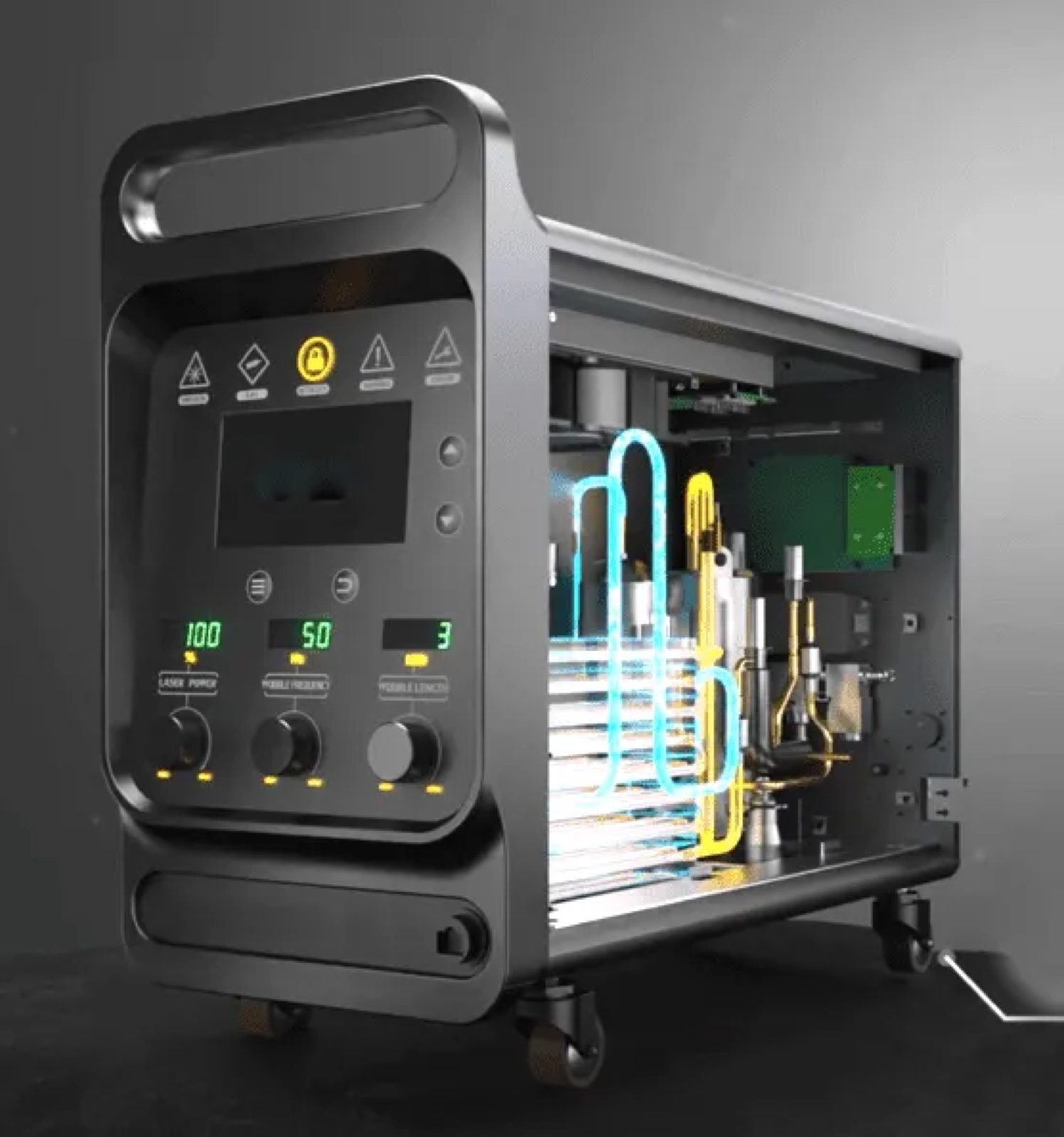
The labor equation
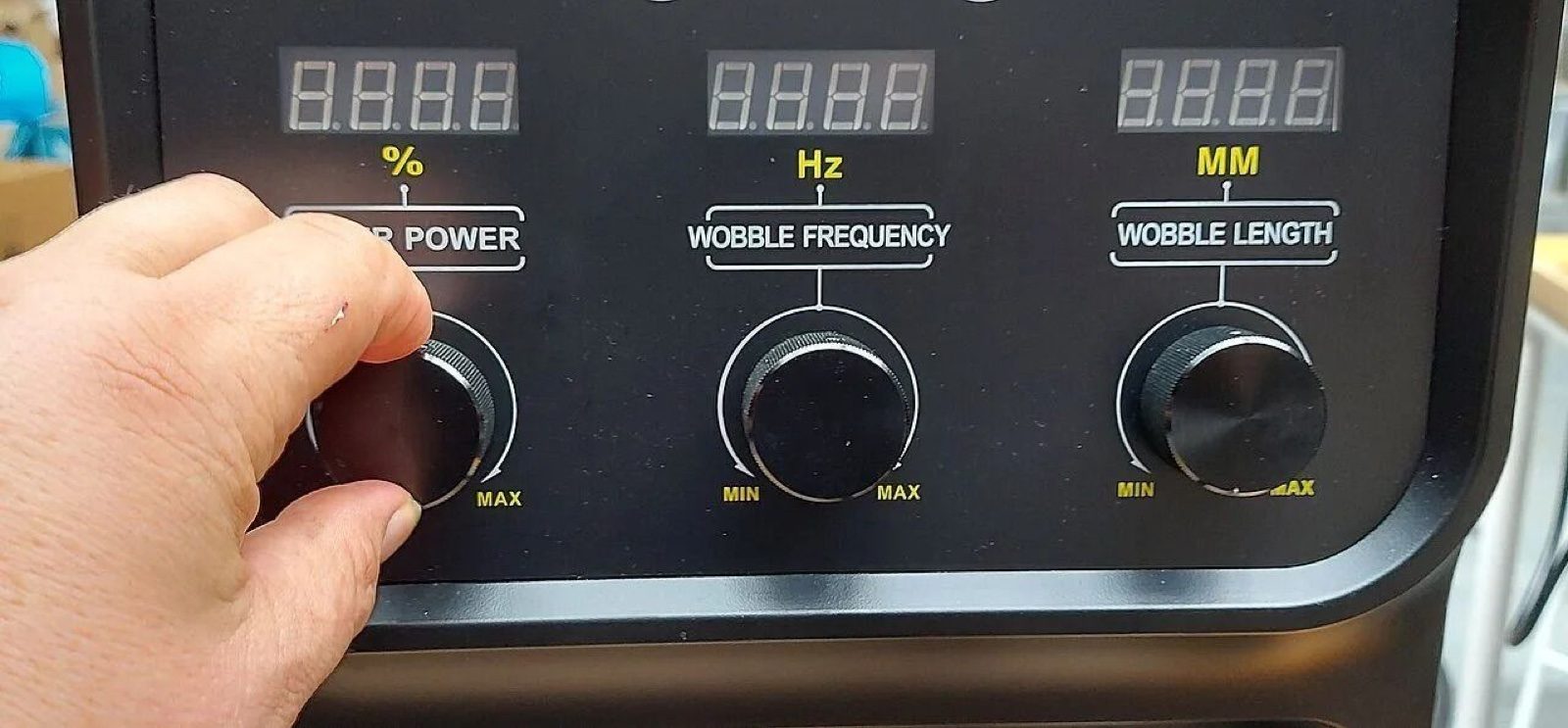
Top TIG welders are rare and expensive. Even someone who already knows metal needs months to become productive, and when one leaves, the line stops. A laser is easier to learn. The handpiece is intuitive and the settings are stored in the machine. Ascent's training takes 3-4 hours, and after it an operator who has never welded aluminum can weld very thin aluminum. The operator remains responsible for completing the required training, following approved process controls and meeting every laser-safety requirement.
Here is an illustration for a shop making aluminum parts. If a weldment that took 20 minutes at the bench now takes 5, that saves 15 minutes. Across 200 parts a month, that is 50 hours of skilled labor, worth $2,000 a month at $40 an hour. At $34,000, the price of the Ascent 3000W handheld welder, the machine would repay its cost in 17 months from labor alone. Use your own times and rates to check the math for your shop.
Talking to each welder
With a TIG welder, respect the skill and admit where the process struggles. For example: "You know better than anyone how hard thin aluminum with complex curves is to TIG. The laser isn't faster because it's easy; it's faster because it puts in less heat and tracks the seam in ways TIG can't. What you can do with TIG on thick stock, structural work, repairs and exotic alloys still matters. This is one more tool, not a substitute."
With a MIG welder, open with the aluminum frustrations they already live with: slow wire feed, multiple passes, heavy grinding and burn-through. The laser removes them, and you can say so plainly: "The same output, a cleaner weld, no grinding, and much faster."
With either, put a torch in their hands. Nothing persuades like trying it. Give them scrap aluminum in their usual gauge and watch. Within minutes they'll be making presentable welds, and the look on their faces tells you everything.
Jobs MIG and TIG should keep
A laser won't take every job.
TIG wins when:
- The material is thicker than 3/16" and the laser can't penetrate fully
- The work is structural and has to meet code
- The alloy is exotic
- You need flexibility for odd repairs and one-offs
MIG wins when:
- The job is structural steel, such as frames and plates
- The welding is done outdoors, where laser safety can't be controlled
- Speed matters more than controlling heat
Neither MIG nor TIG is a good fit when:
- Thin aluminum (under 0.125") needs consistent results
- Stainless keeps showing heat stains
- Parts have awkward inside corners and tight curves
- Distortion keeps forcing rework
- Skilled TIG welders are close to impossible to find
Answering the safety questions
"Laser" is a loaded word, and some of the worry is overblown. Be candid about what is real.
The main risk is the eyes. A handheld laser welder is a Class 4 laser. The direct beam, or a reflection of it, can cause a permanent eye injury in an instant. Skin burns and fire are also possible at close range.
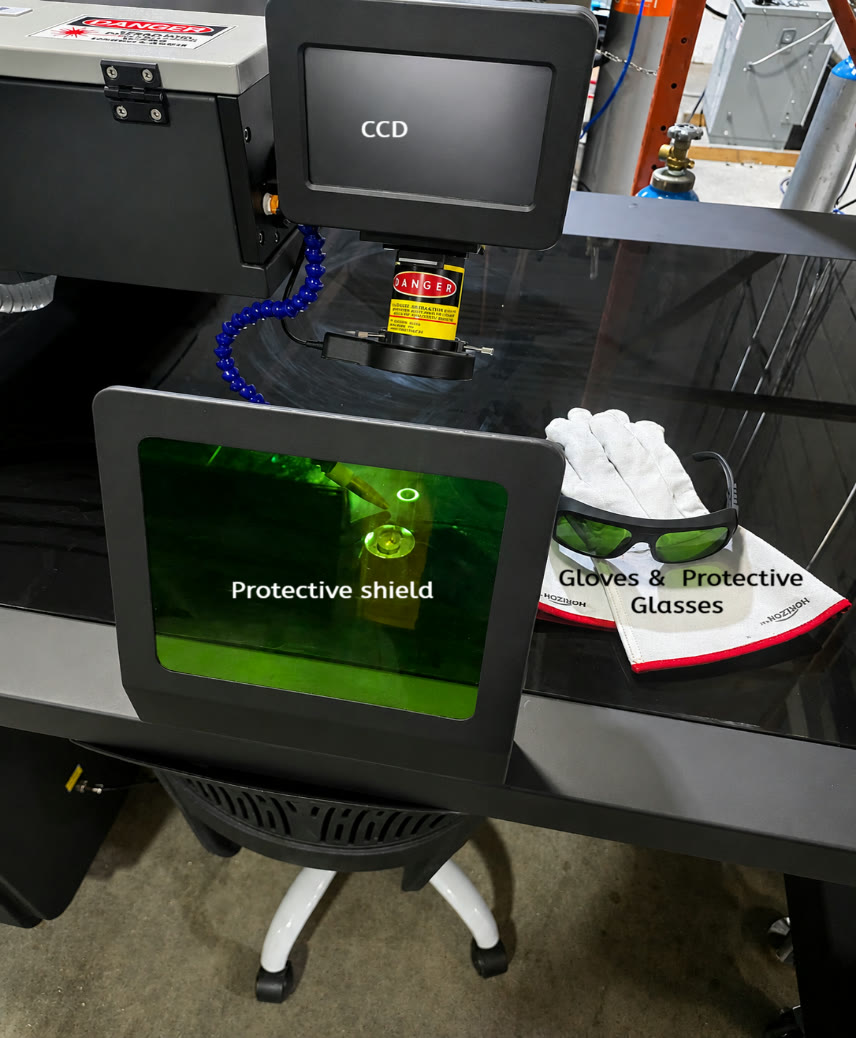
Eyewear. Wear laser safety glasses or a laser helmet rated for the laser's wavelength. Minimum OD 5; prefer OD 7 or 8. The Ascent welder comes with a laser welding helmet and laser safety glasses. Laser eyewear is not a welding shade, so protect against the bright light of the weld as well. A line that works: "You wore a helmet because arc flash is real. Laser eyewear deals with this hazard directly."
Seeing the weld. TIG welders often worry they won't see the puddle. With the right eyewear and helmet, the weld area stays visible, and many operators get comfortable quickly.
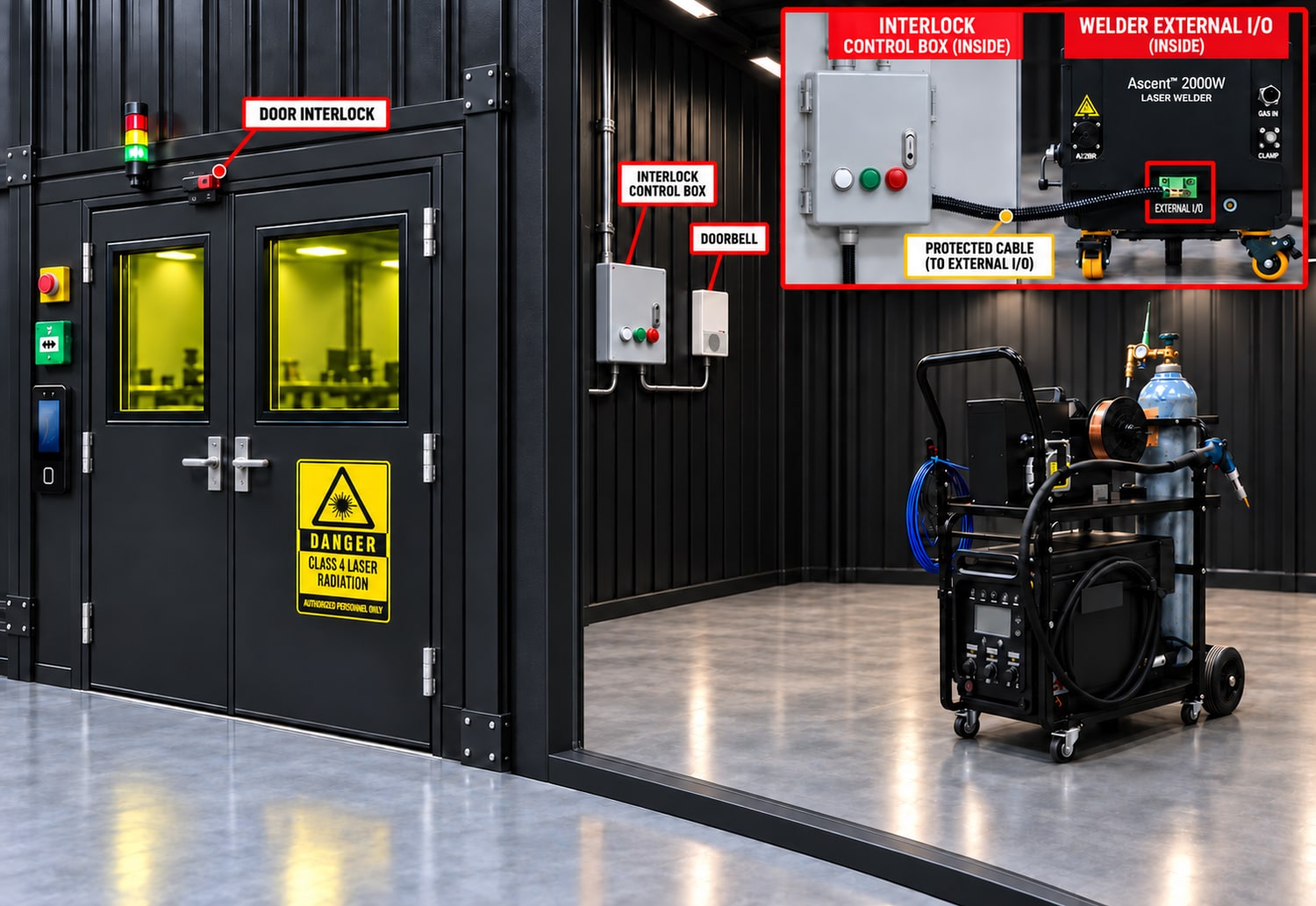
Bystanders. Enclose the welding area with laser-rated partitions so the beam and its reflections can't reach people nearby, and keep anyone without protection out.
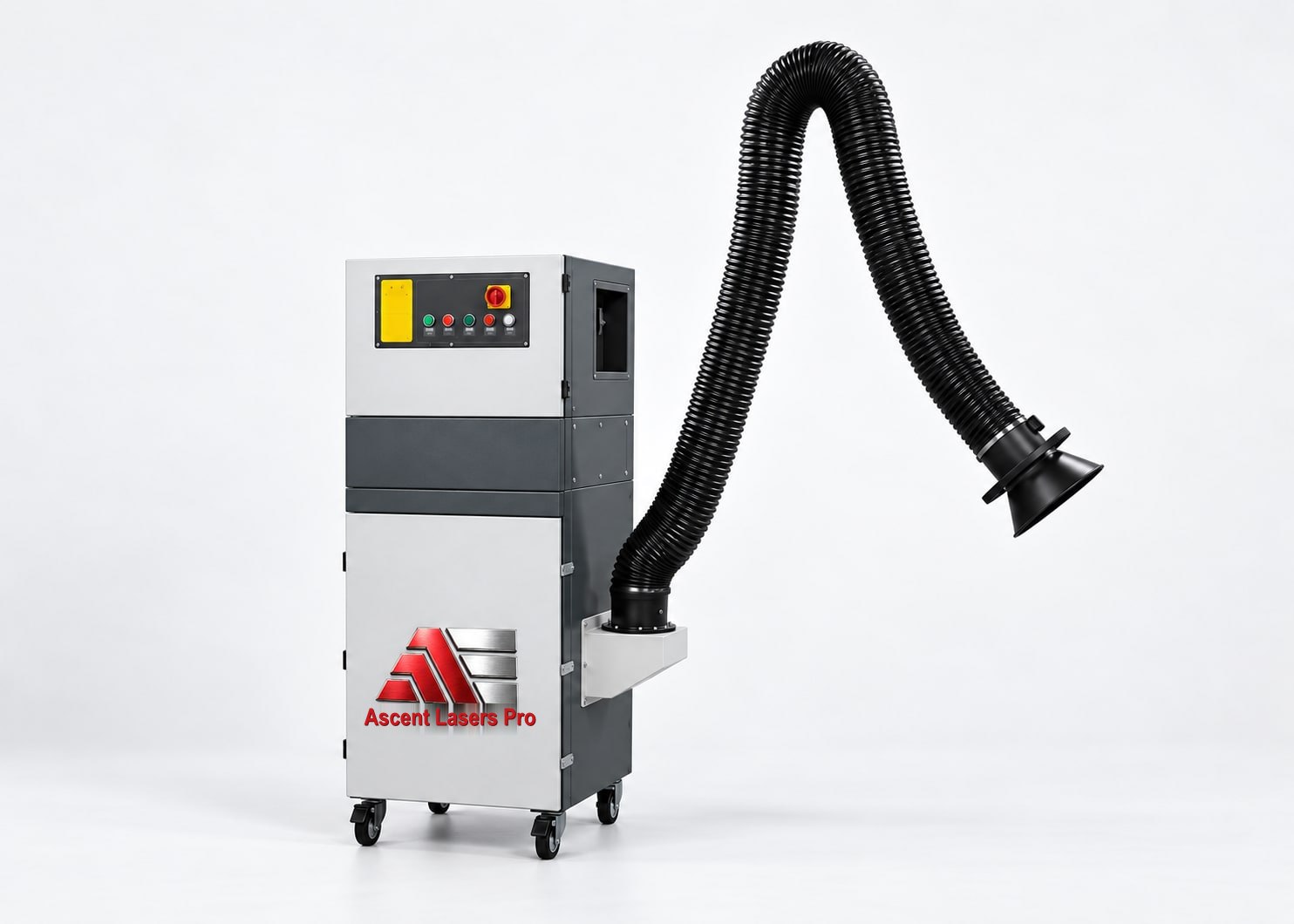
Fumes. As with MIG or TIG, welding produces fumes. Use fume extraction, and check what is on the part before you weld it.
Compliance. Class 4 laser use follows ANSI Z136.1, and OSHA enforces workplace laser safety through its PPE rules and the General Duty Clause. A written laser safety program, training and the right PPE are the starting point. Our laser safety page covers the details.
Offer a fair trial
Skip the long debate. Set up a test weld in the welder's usual material and have them time their current method against the laser.
A MIG welder who watches a laser weld thin aluminum with no spatter, no burn-through and no grinding is often won over on the spot. A TIG welder who completes a clean weld on 0.063" aluminum in a fraction of the usual time, with only a tiny heat zone, is often just as impressed.
Then ask them: if aluminum welding took a fraction of the time, what would change in your shop?
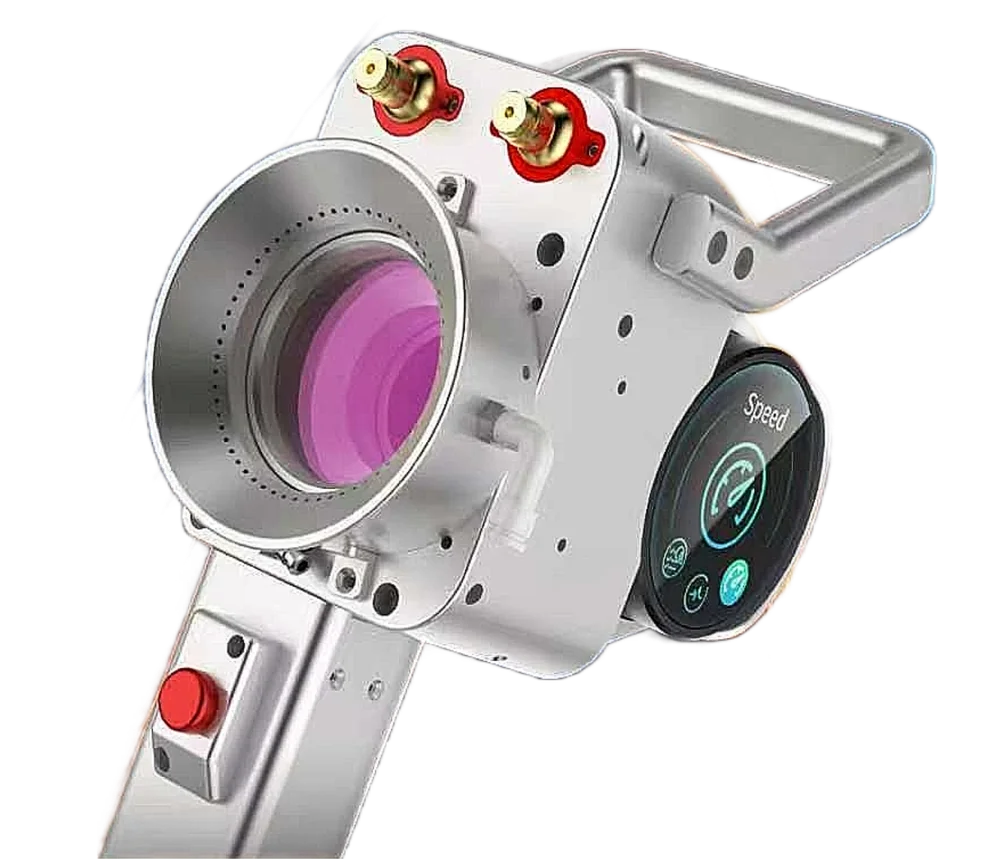
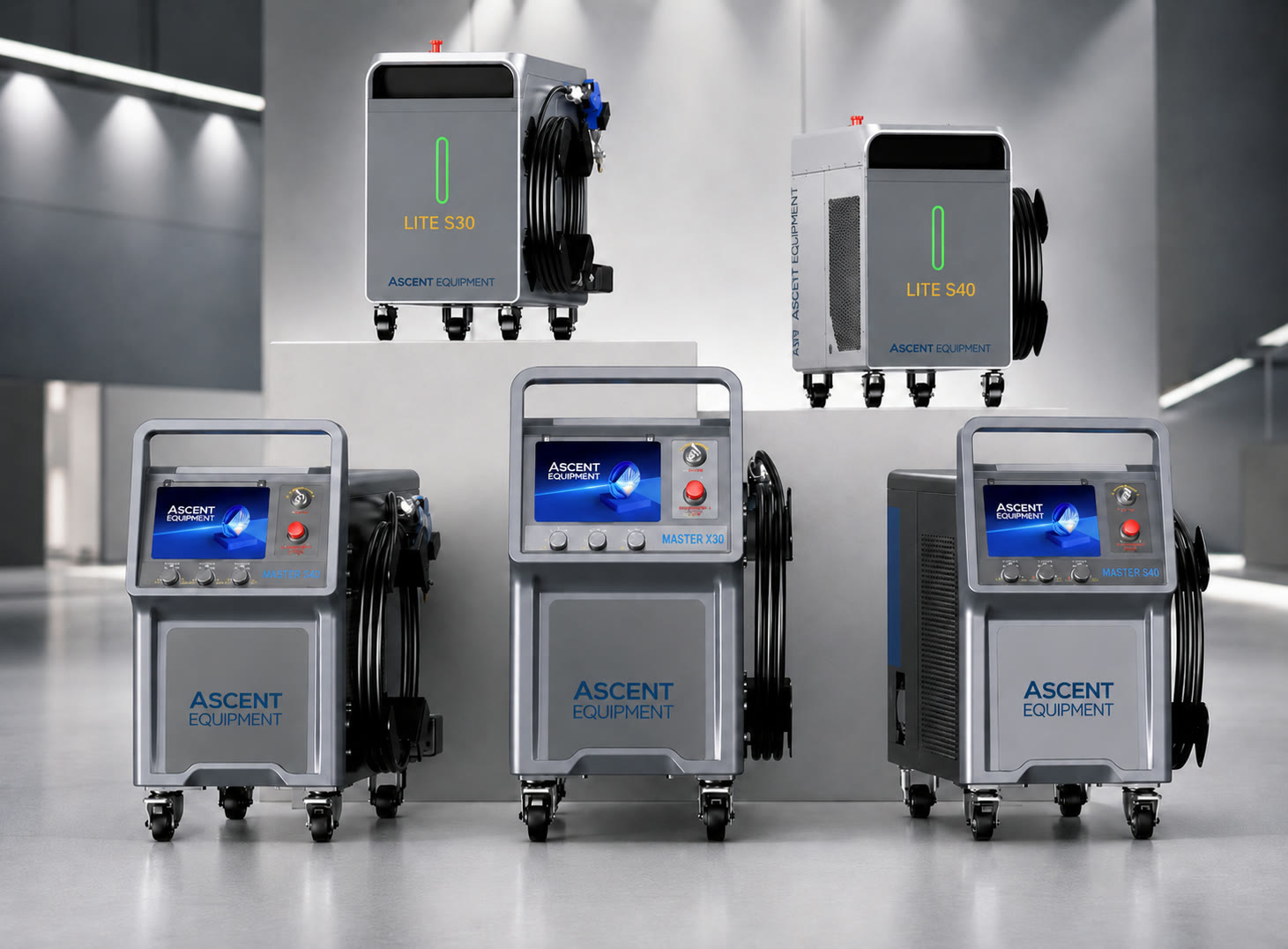
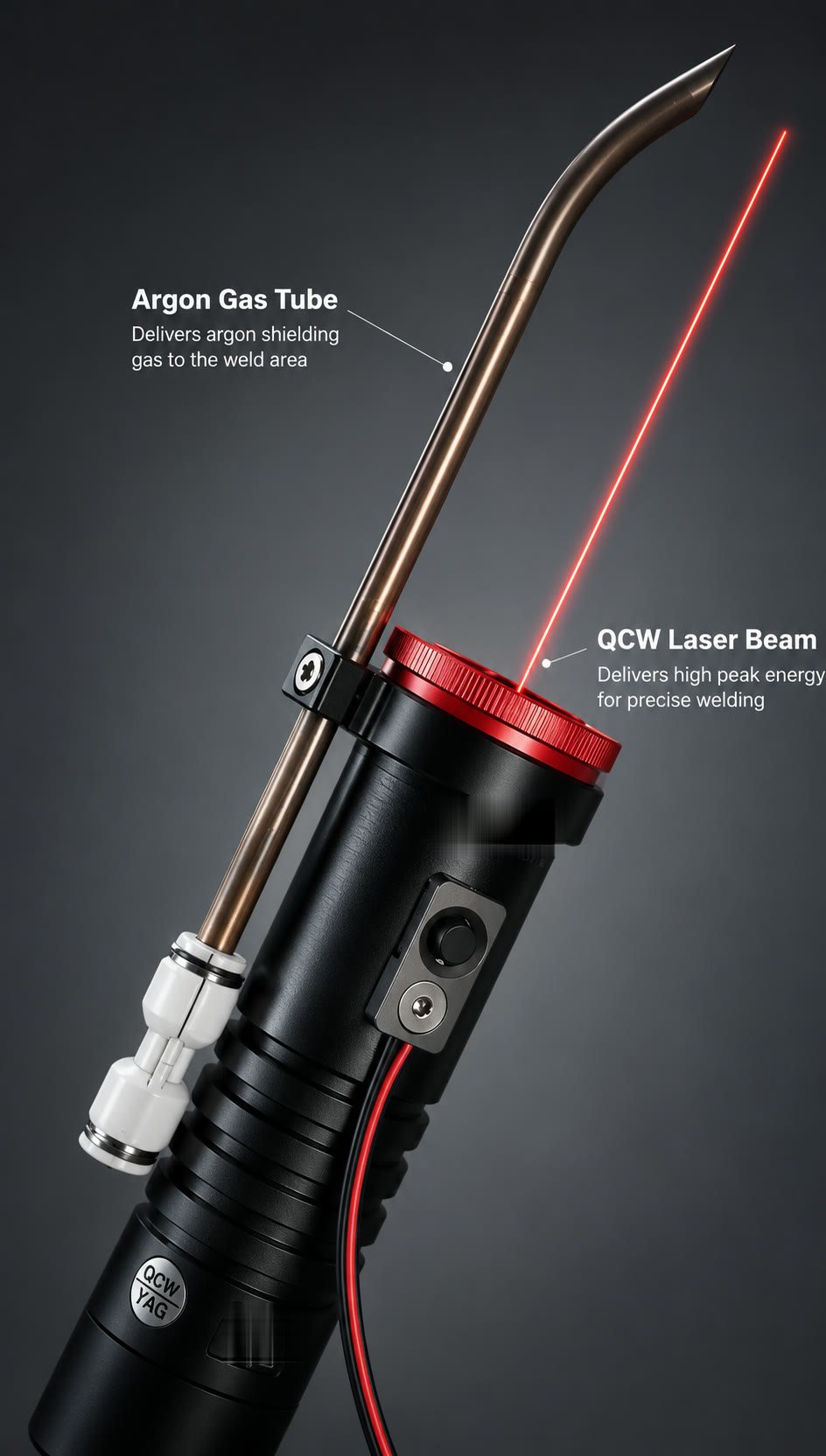
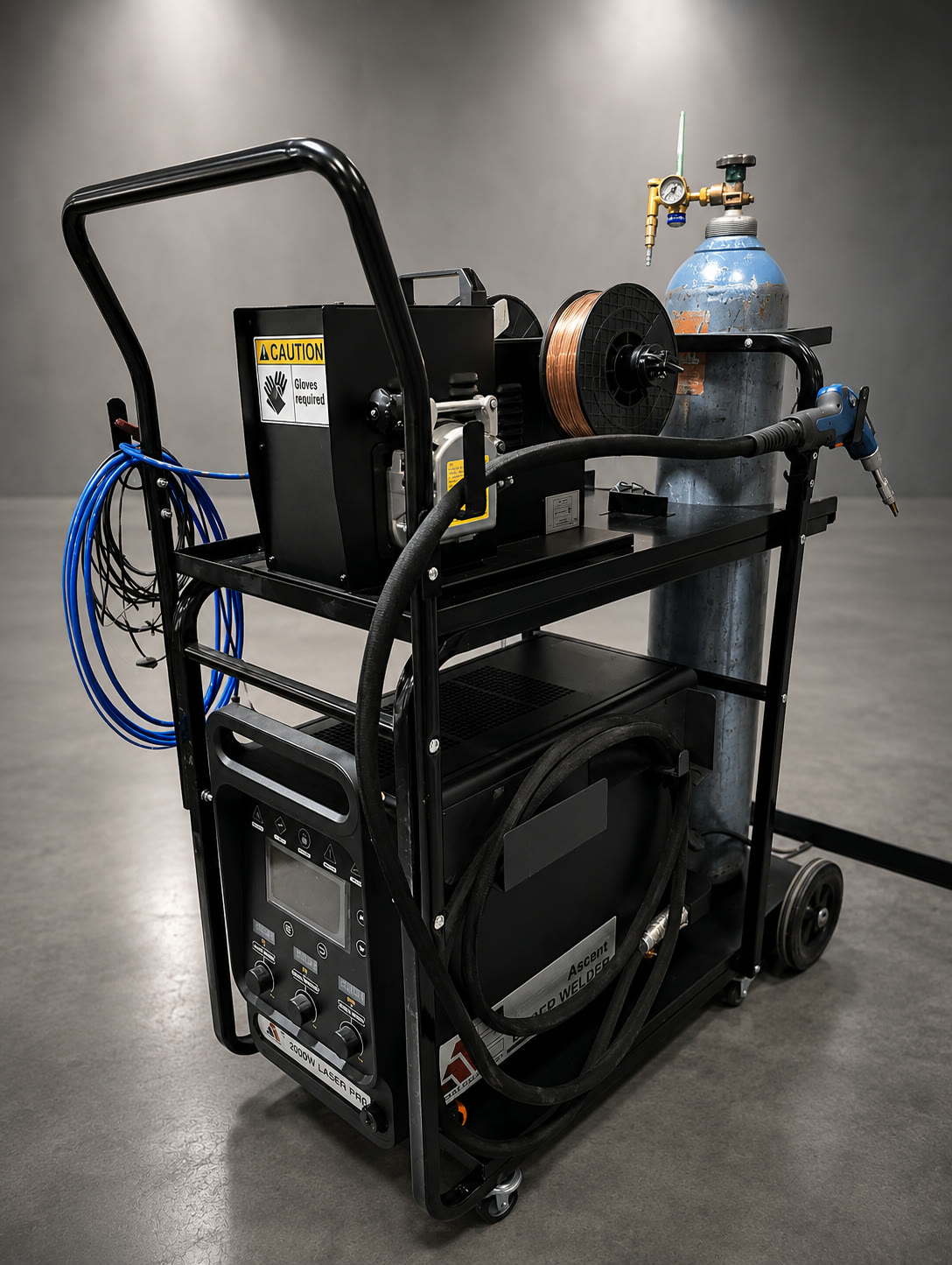
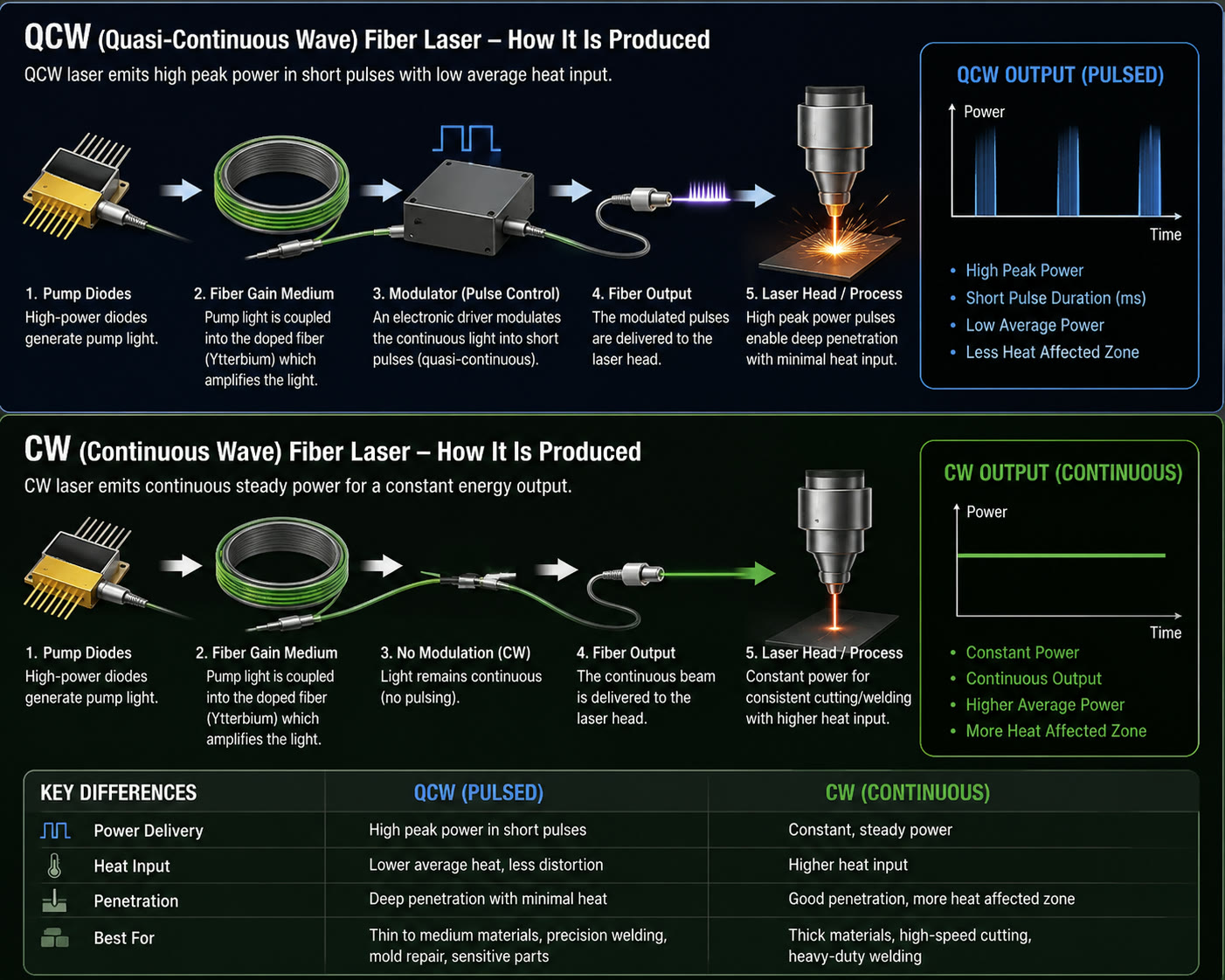
For higher volumes, Ascent has a handheld laser welder. For smaller parts at a bench, there's a QCW tabletop and handheld welder made for thin aluminum and stainless steel. If you'd like a payback estimate using your own parts, material and labor rate, get in touch and we'll prepare one.