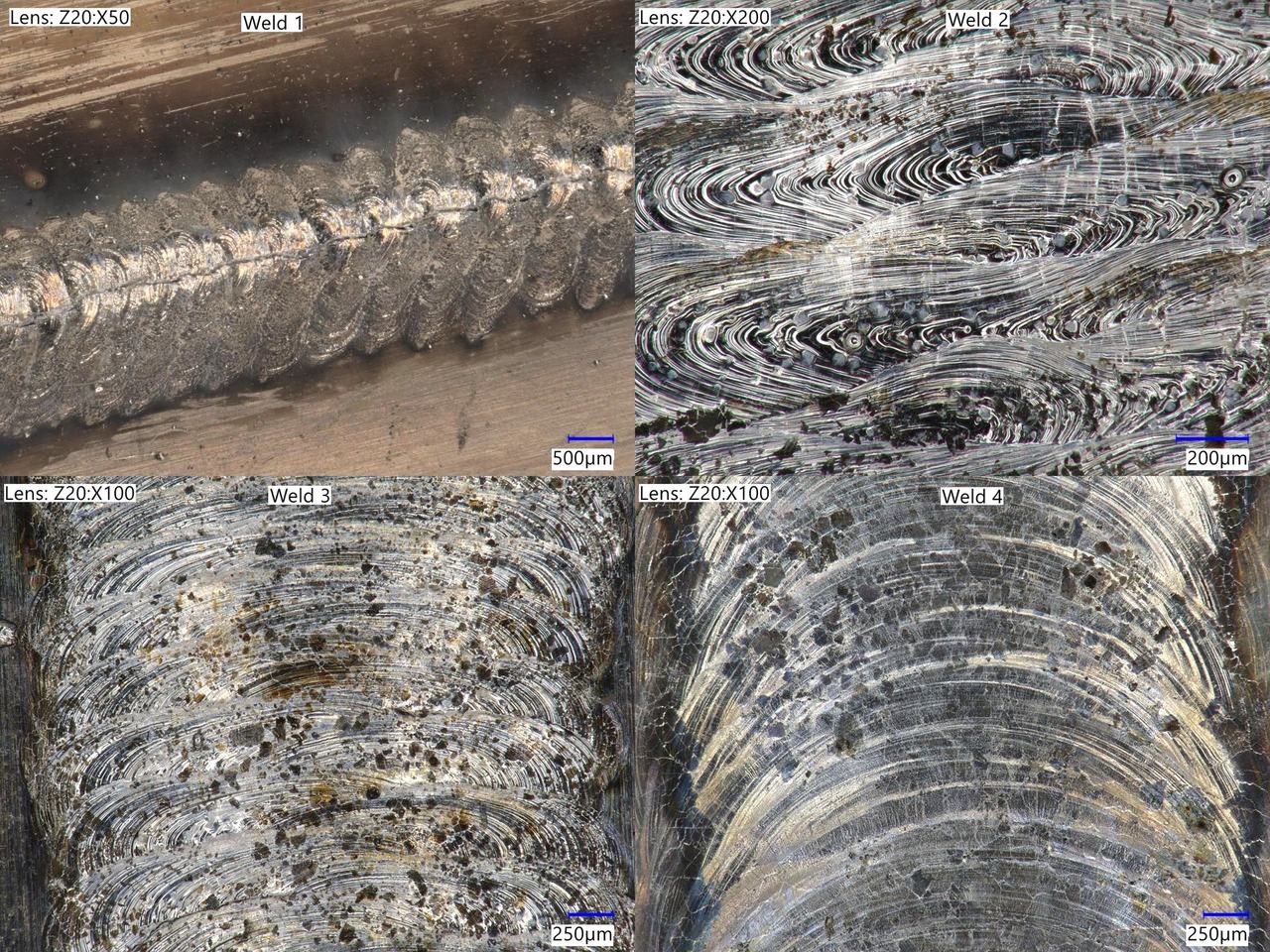
Laser welding joins metal with a concentrated beam of light. It is faster and cleaner than many traditional methods, and it distorts the part less. This article explains how it works and what it costs, so you can judge whether it is worth it for your shop.
How laser welding works
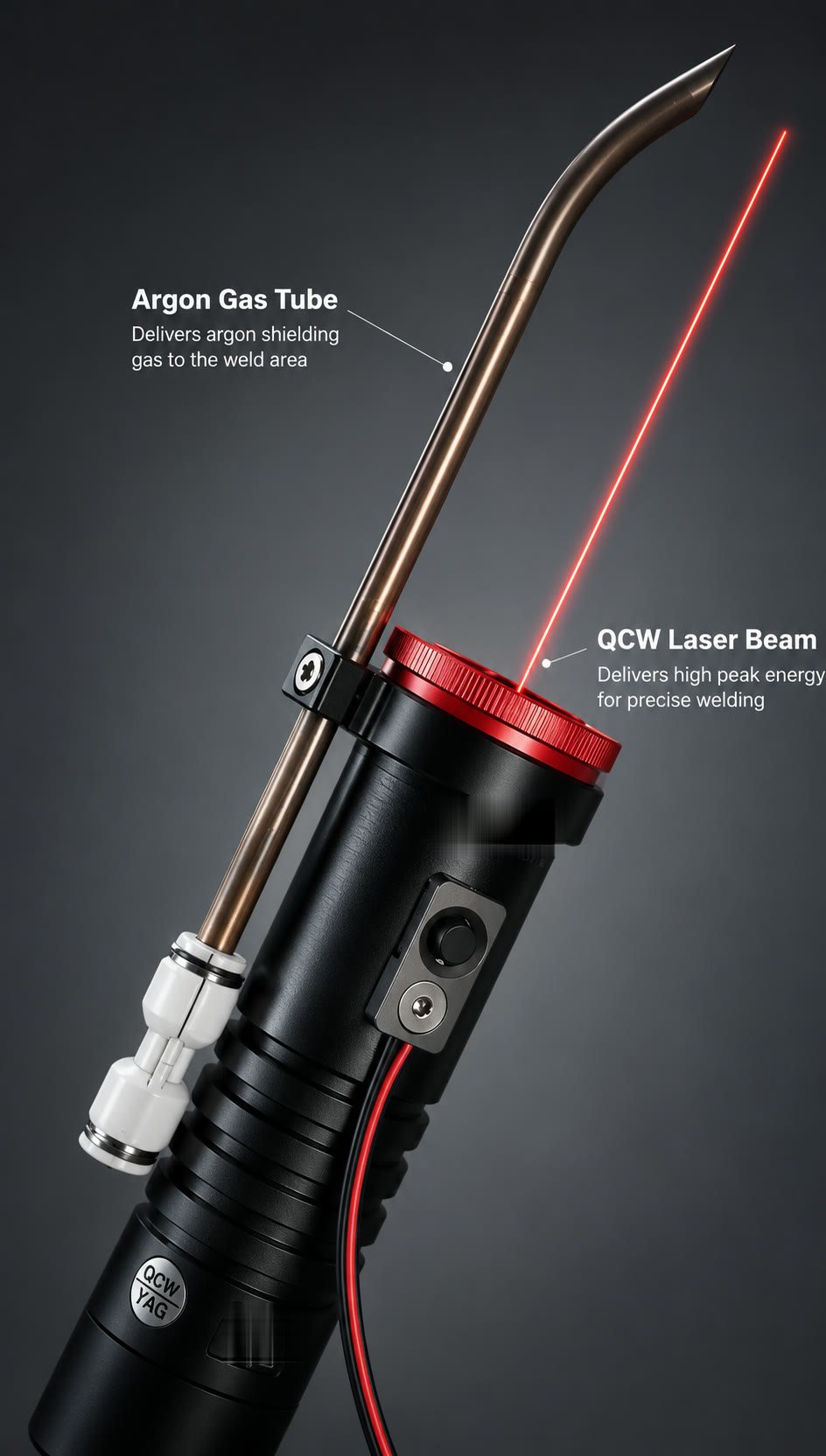
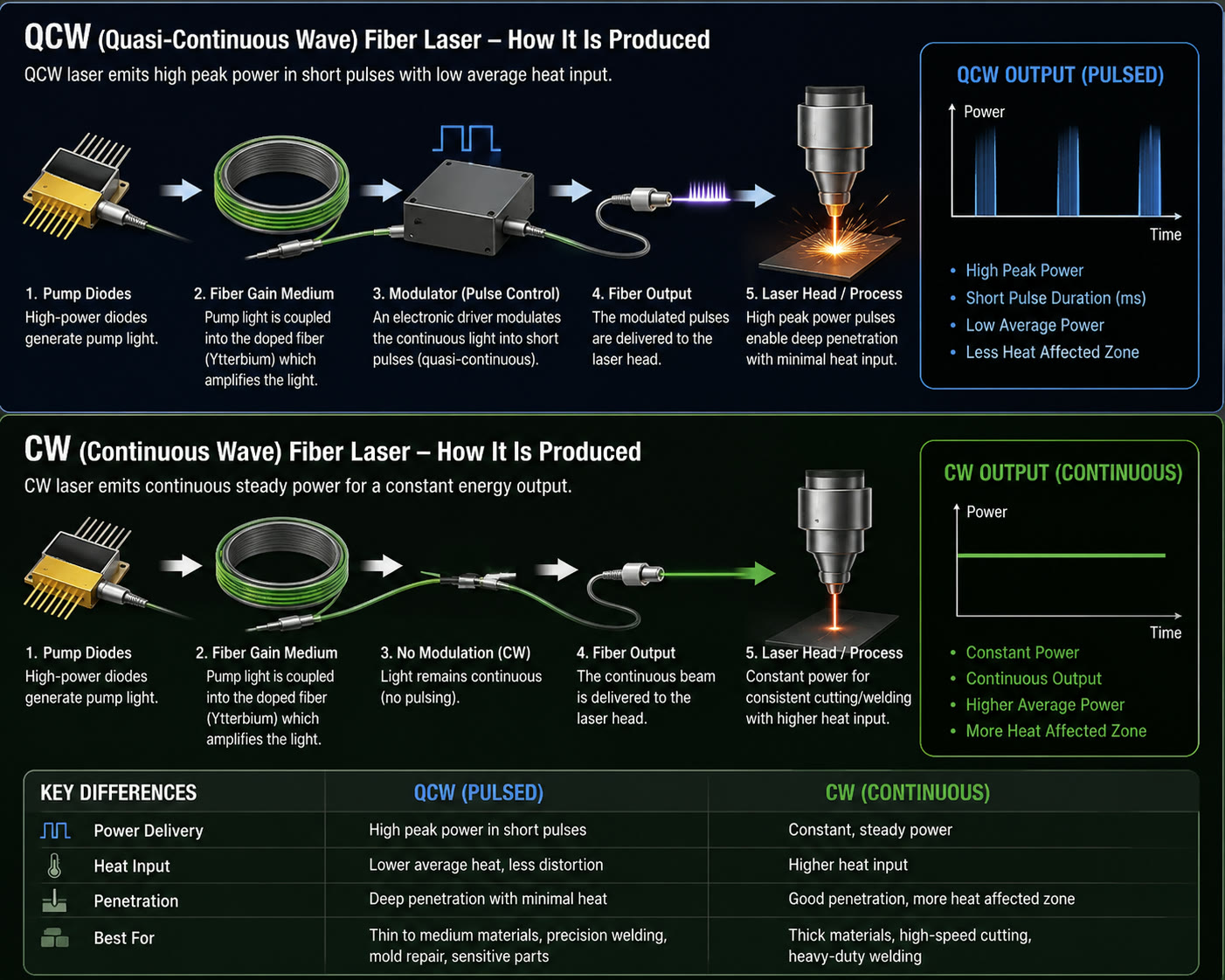
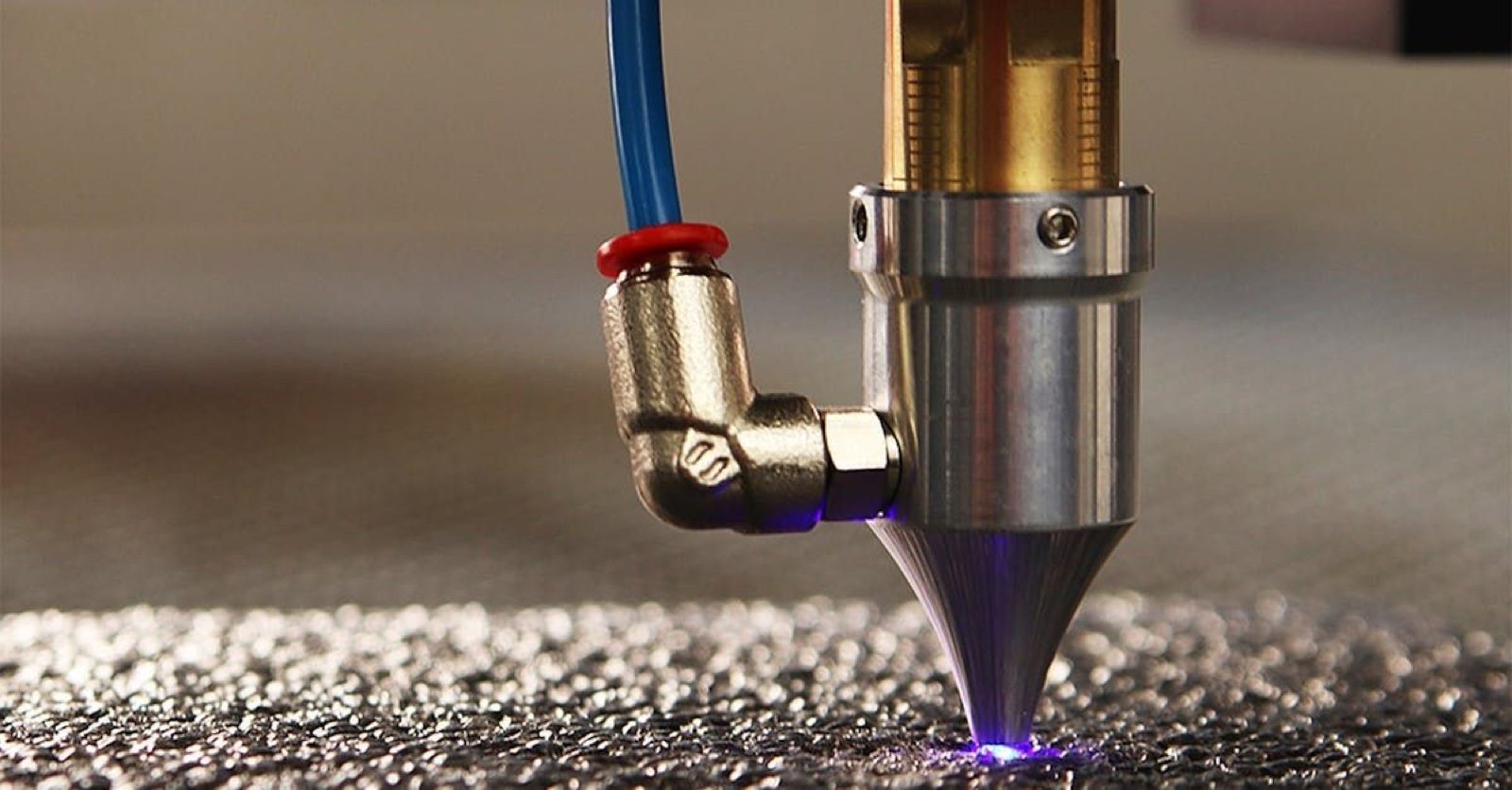
The laser's beam melts the metal at the joint and creates a small molten pool. The pool solidifies into a strong, precise joint. Because the heat is concentrated in a small area, there is little distortion and little waste, which makes the process well suited to thin and delicate material.
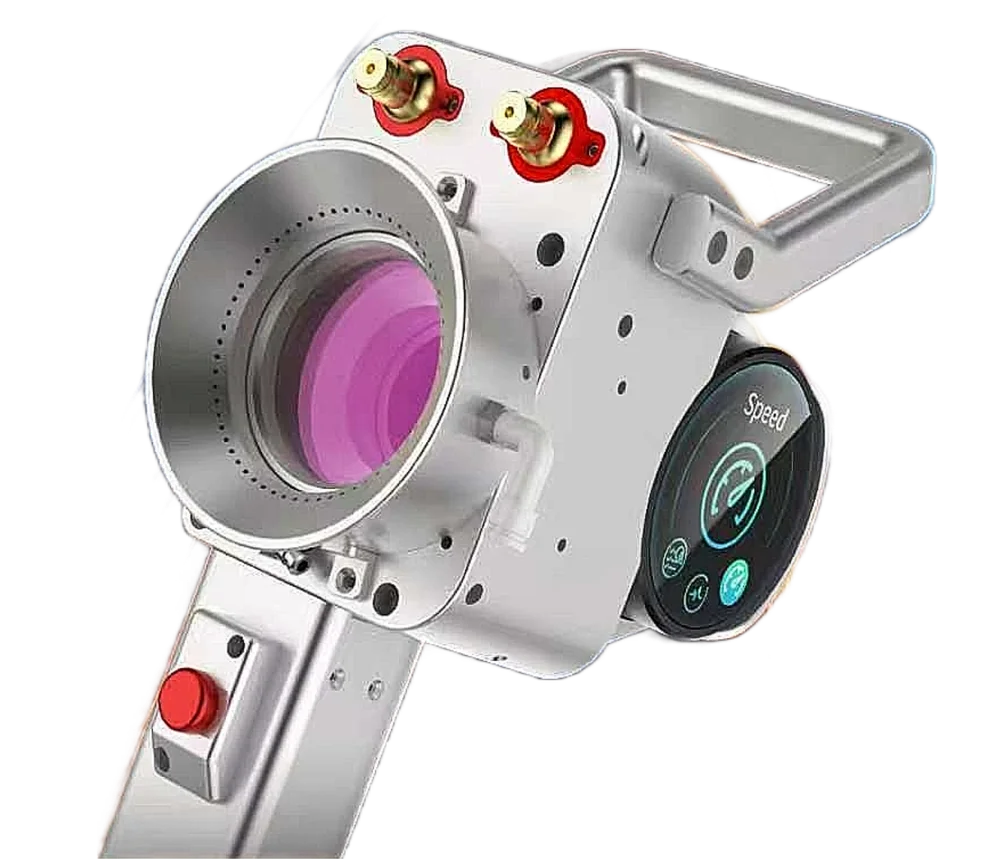
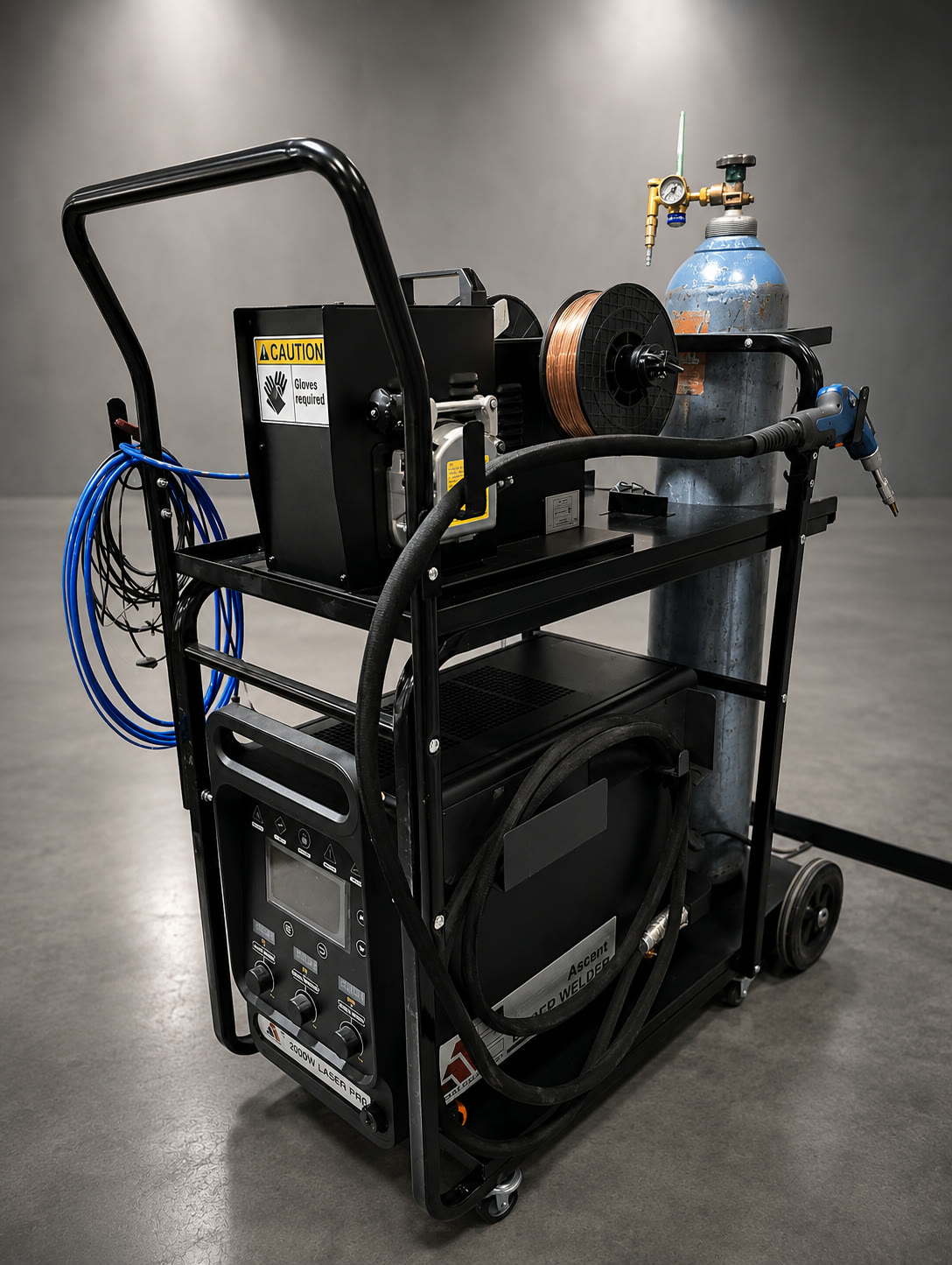
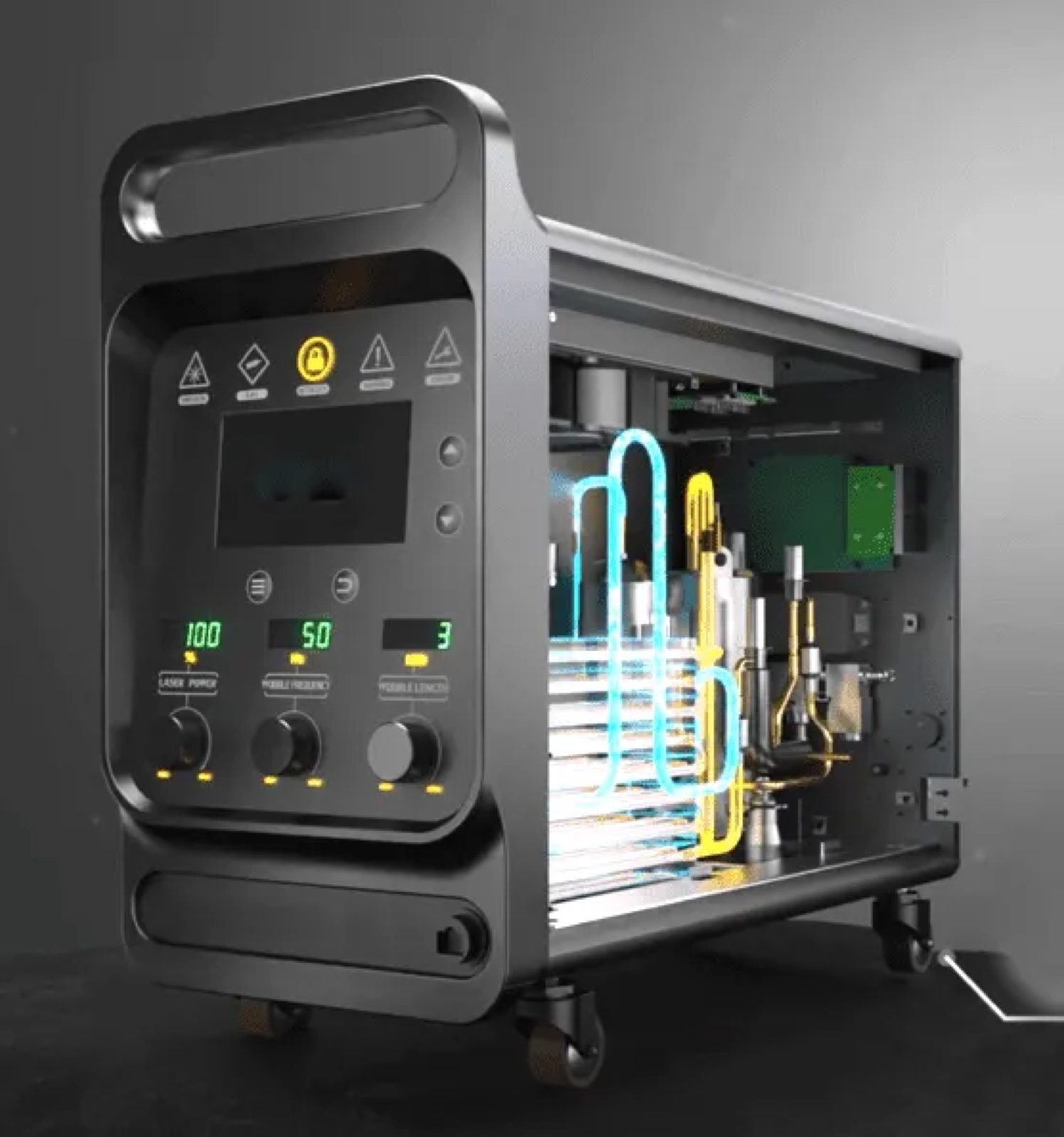
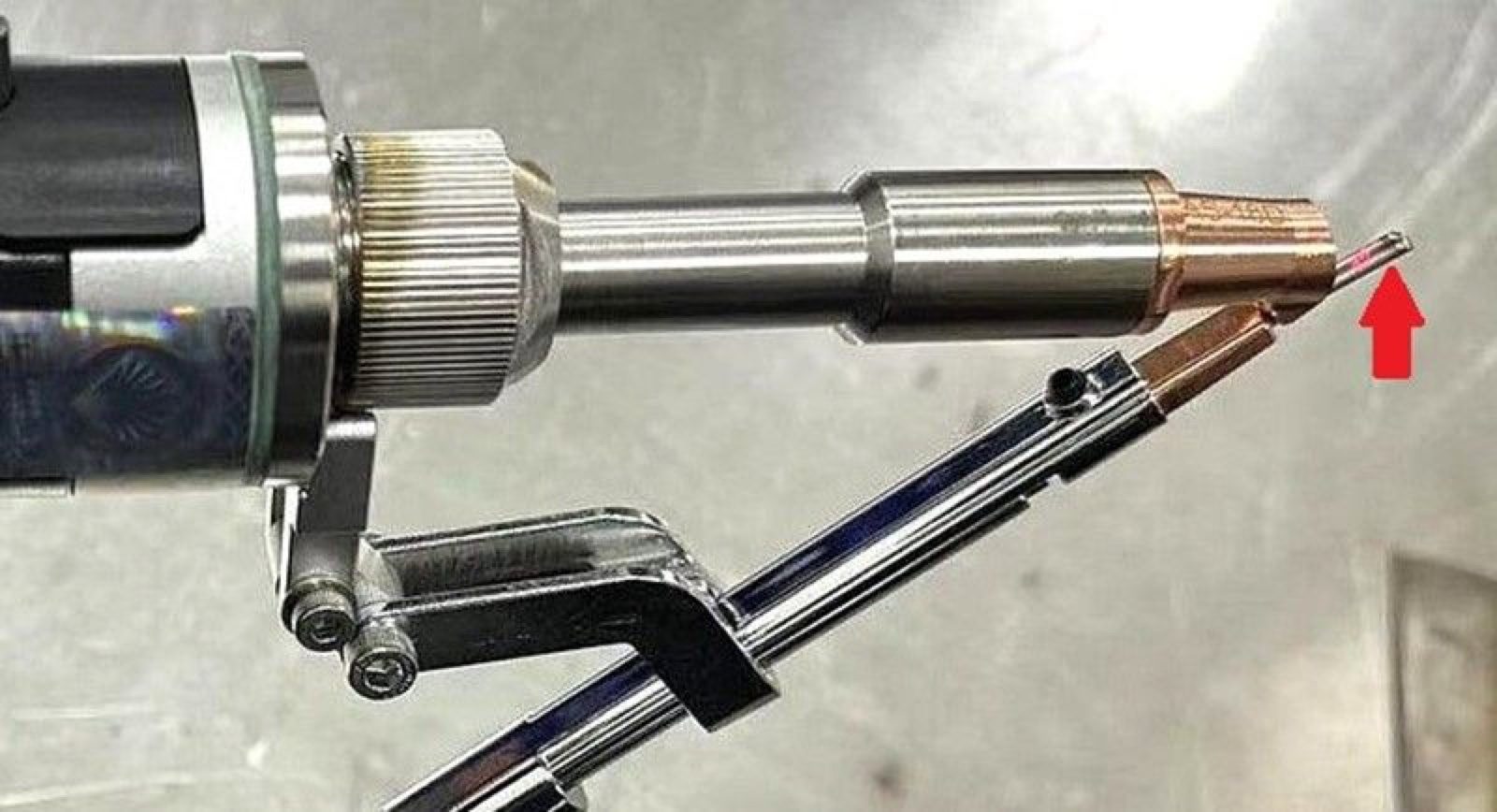
A hand-held fiber laser welder works the same way but is mobile. The operator can move around a large or intricate structure without the limits of a fixed machine. That helps in aerospace, automotive and fabrication work, where precision and access both matter.
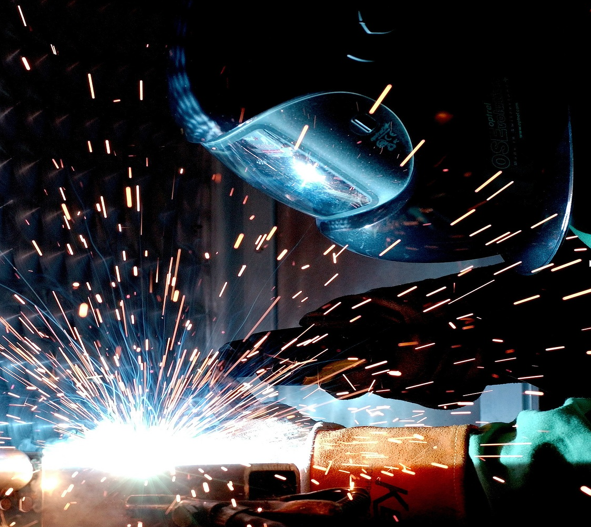
A small heat-affected zone means less warping, so there is less grinding and finishing. Operators wear a laser welding helmet, which protects the eyes from the beam and the bright flash.
Why laser welding can beat traditional welding
Speed
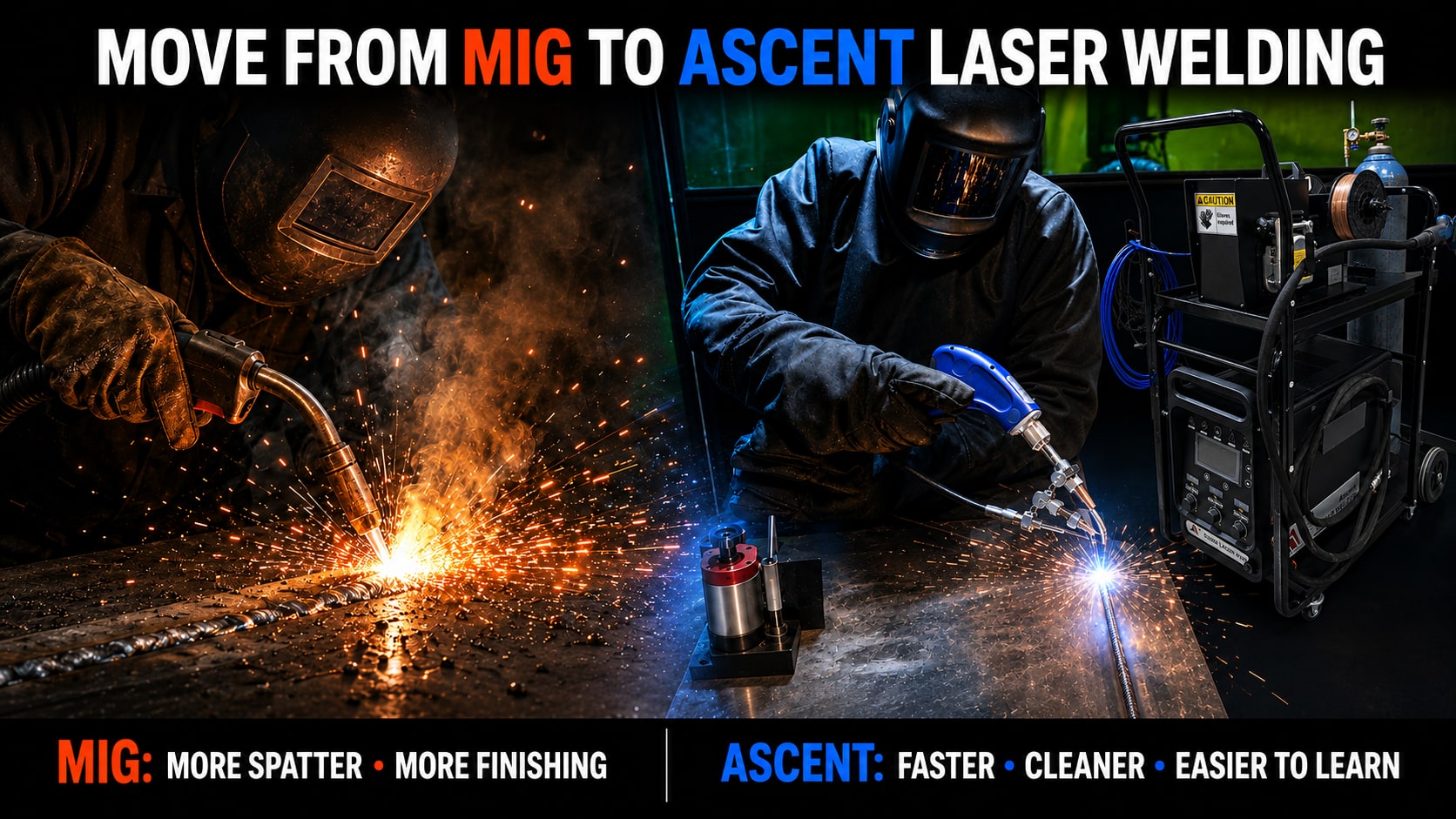
The beam delivers energy quickly, so a laser can cut welding time. Traditional methods use more heat and sometimes multiple passes. Faster welding means higher productivity and lower labor cost.
Cleaner welds
Arc welding can leave spatter and slag that need grinding. A laser makes a smooth, precise joint with little mess, which helps where appearance matters.
Less heat damage
Heat distortion is a common problem with thin material. A laser applies intense heat only in a small area, which reduces warping.
Fewer consumables
Traditional welding uses up electrodes, nozzles and filler. A handheld fiber laser welder has fewer consumables, and clean welds mean less rework.
Cost: is it worth the investment?
Many shops hesitate over the upfront cost. The savings in time and finishing can offset it. Here is how it breaks down.
Equipment
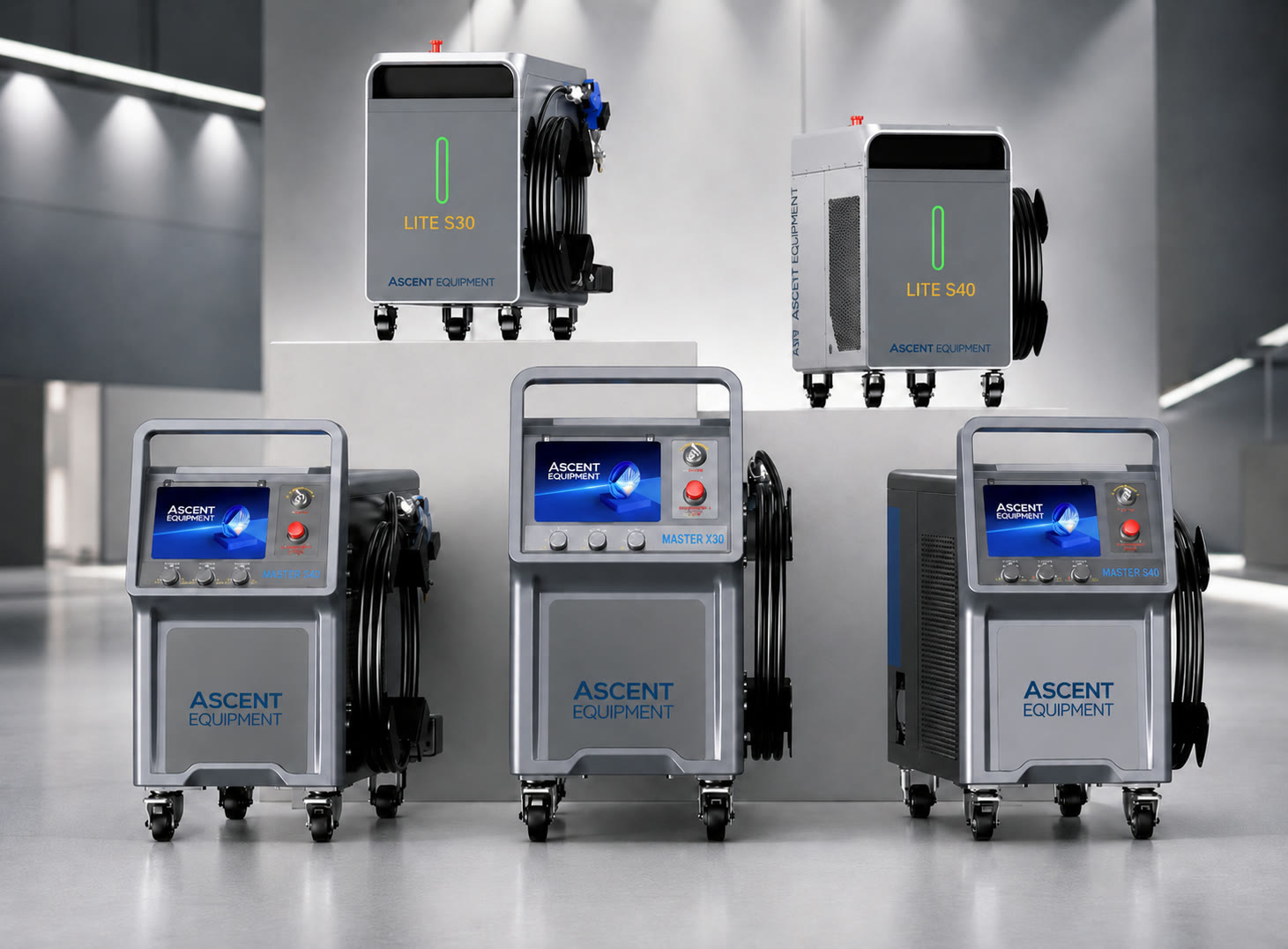
The Ascent 2000W handheld laser welder costs USD $28,000 and the 3000W USD $34,000. Higher-power models weld thicker material. The price includes a laser welding helmet and laser safety glasses, shipping, installation at your facility and operator training.
Maintenance
There are few consumables to replace. Costs are mostly cleaning, replacement lenses and occasional checks.
Training
Laser welding is easier to learn than TIG or MIG, but operators need training. Ascent's training takes 3-4 hours and is included in the price.
Return on investment
For a business, higher productivity, cleaner welds and less material waste add up. How soon the machine pays for itself depends on how much you weld and how much grinding and rework it removes.
Safety
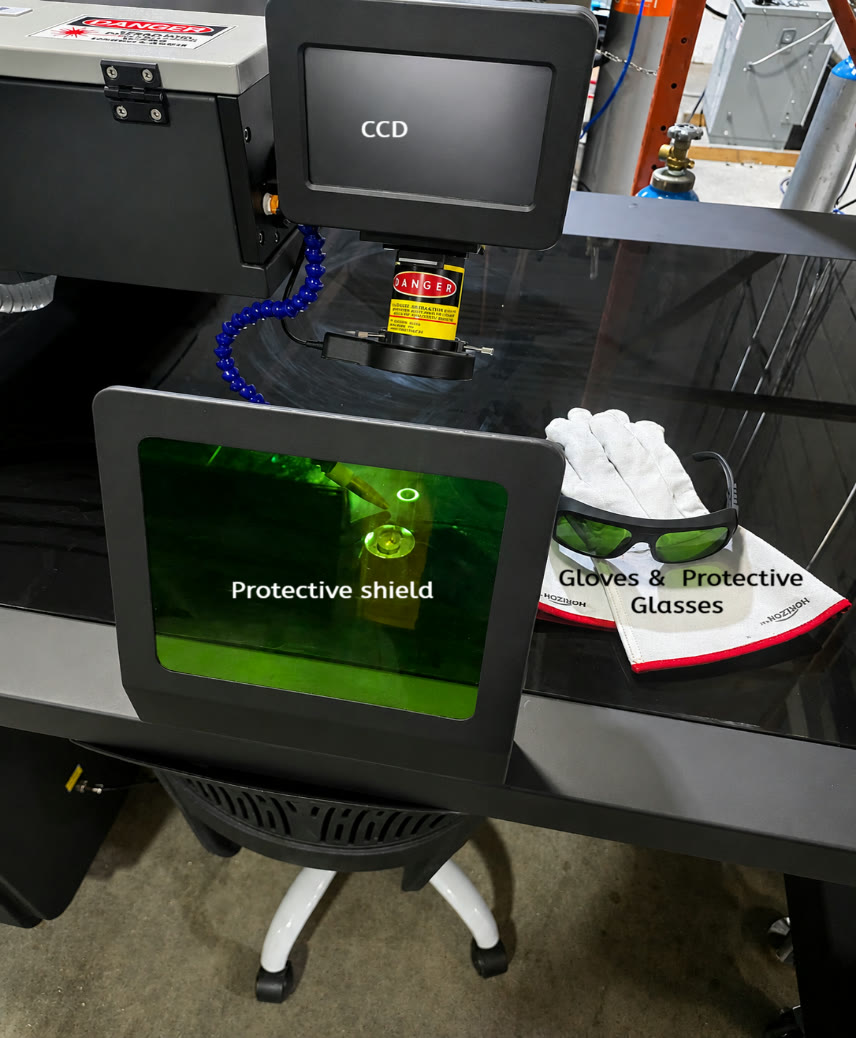
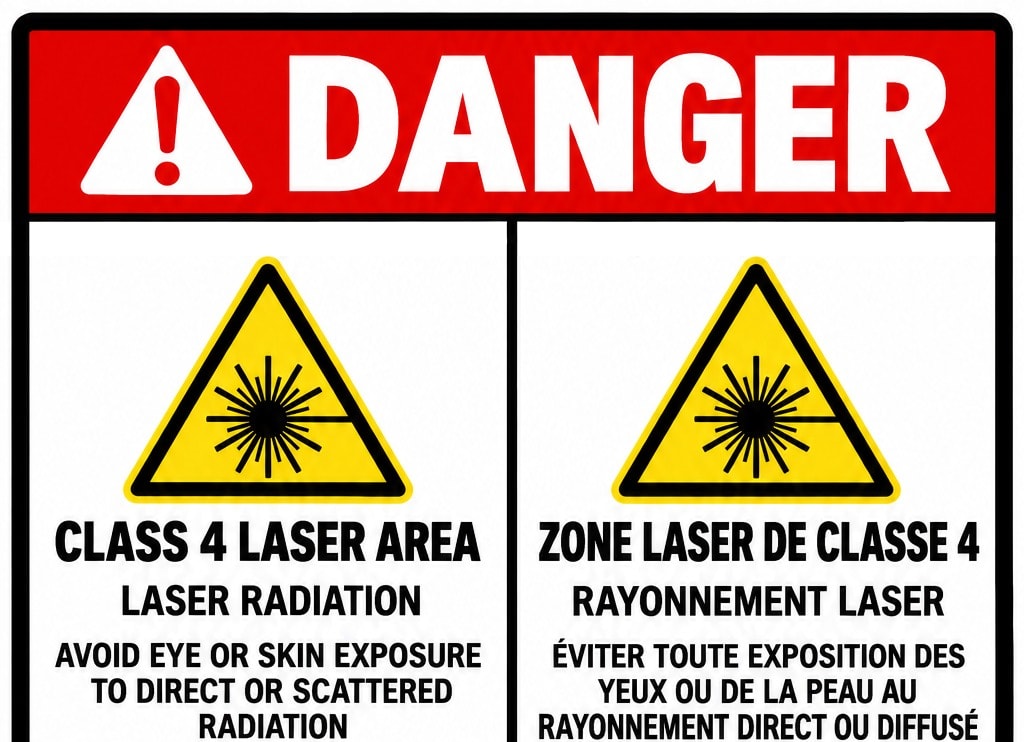
The beam can cause serious eye damage. A laser welding helmet filters the harmful light, and it is different from an arc welding helmet. Also:
- Wear gloves and protective clothing.
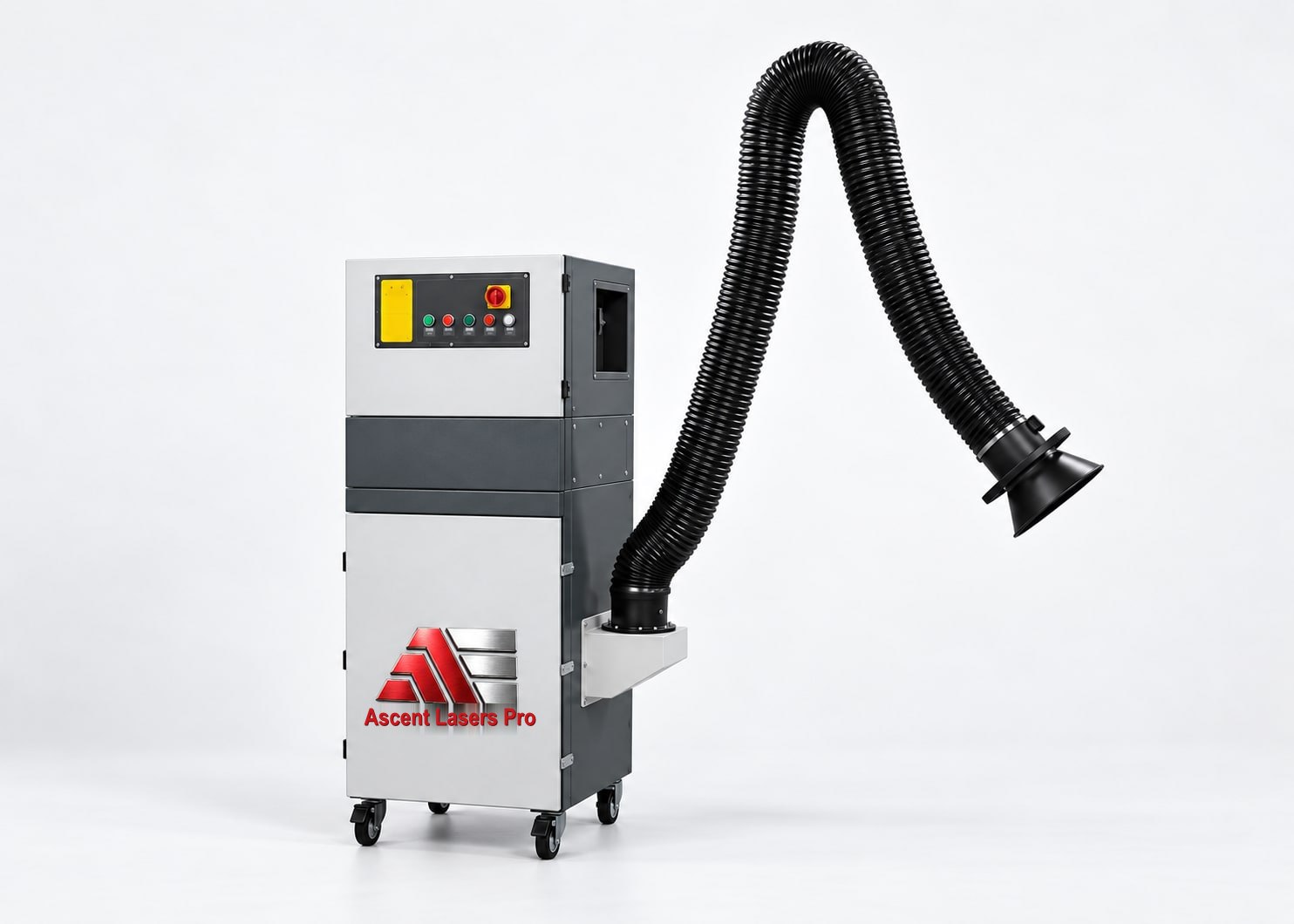
- Ventilate the area to deal with fumes.
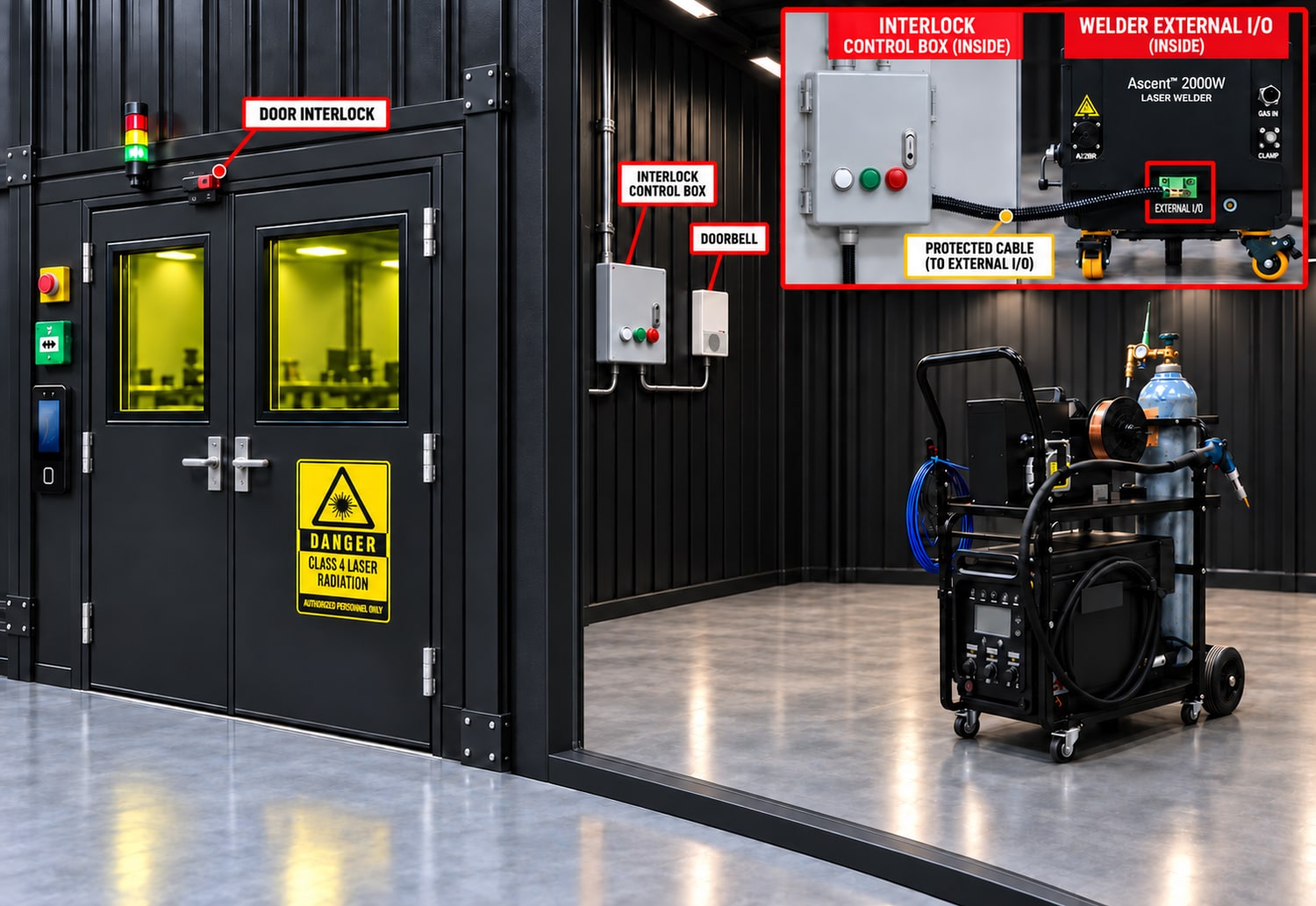
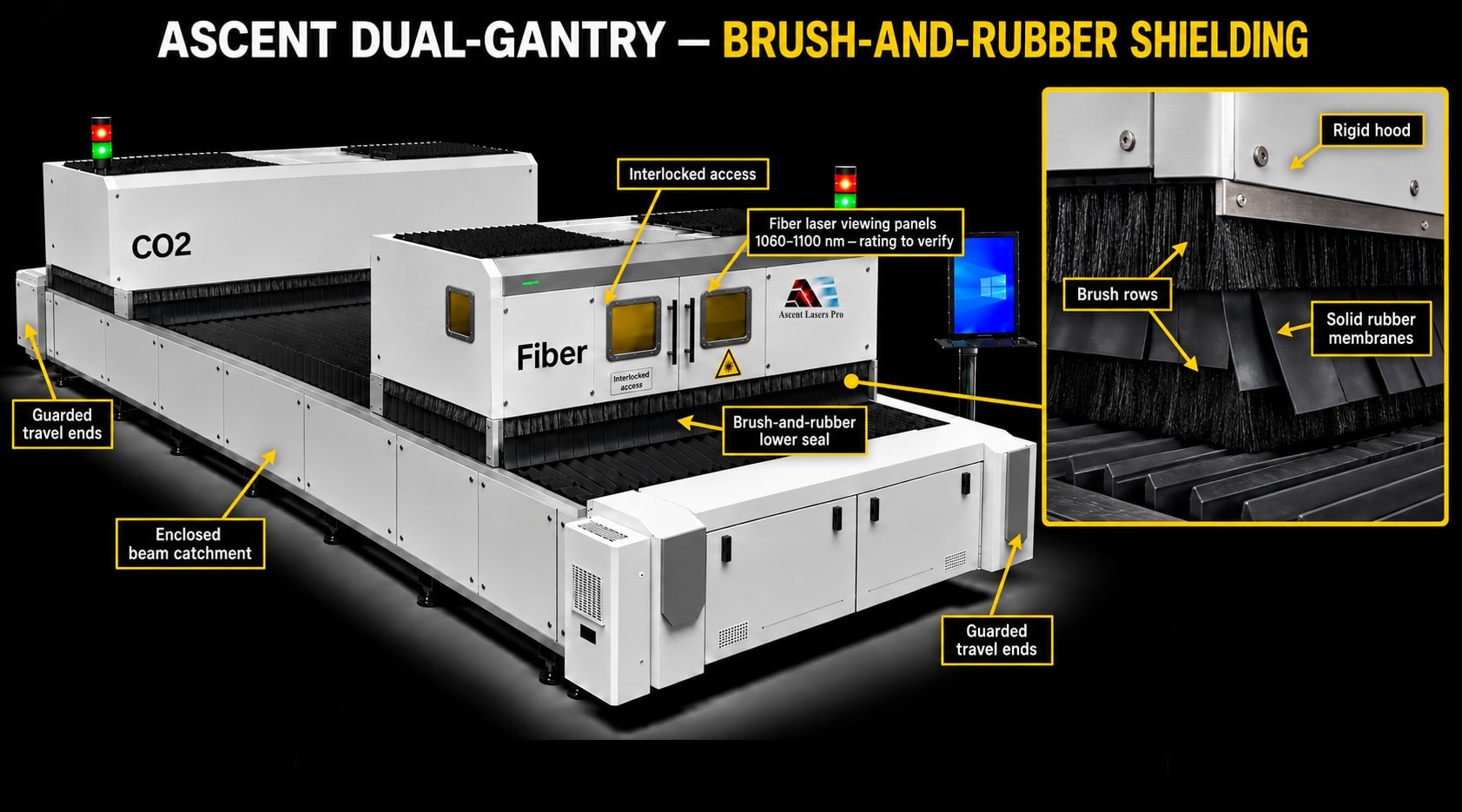
- Use laser-rated barriers.
- Minimum OD 5; prefer OD 7 or 8 for laser safety eyewear.
See our laser safety page.
FAQs
What materials can be welded with a laser?
Aluminum, stainless steel, carbon steel and titanium are among them. Copper can be welded in thin sections. The thickness depends on the laser power, and the product pages give the limits for each model.
Is a hand-held fiber laser welder easy to use?
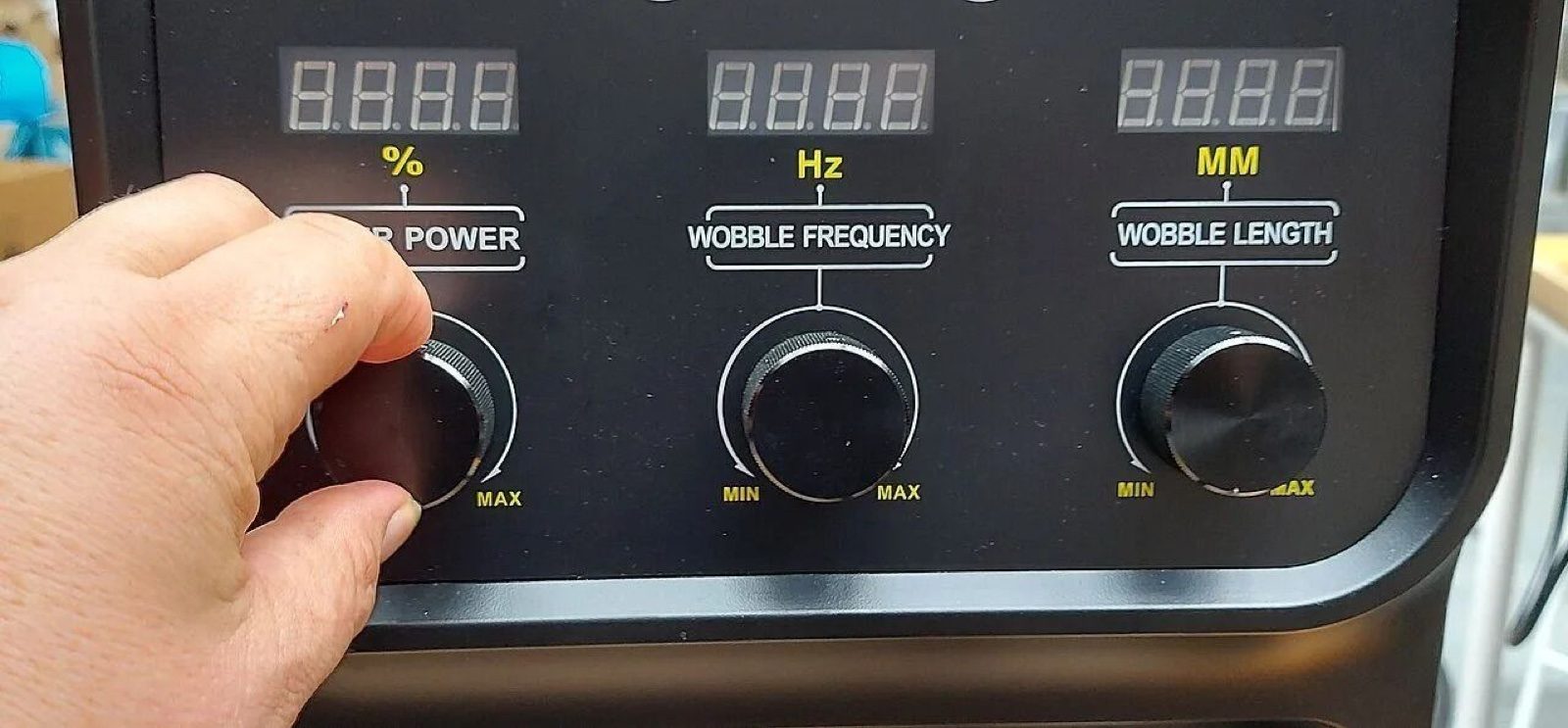
It is easier than TIG or MIG for most operators, and the controls are simple. The operator remains responsible for completing the required training, following approved process controls and meeting every laser-safety requirement.
How does a laser welding helmet differ from a regular welding helmet?
A laser helmet has lenses that protect against the wavelength of the laser, and a standard arc welding helmet does not. Use the helmet that came with the laser welder.
Can laser welding be used for repairs?
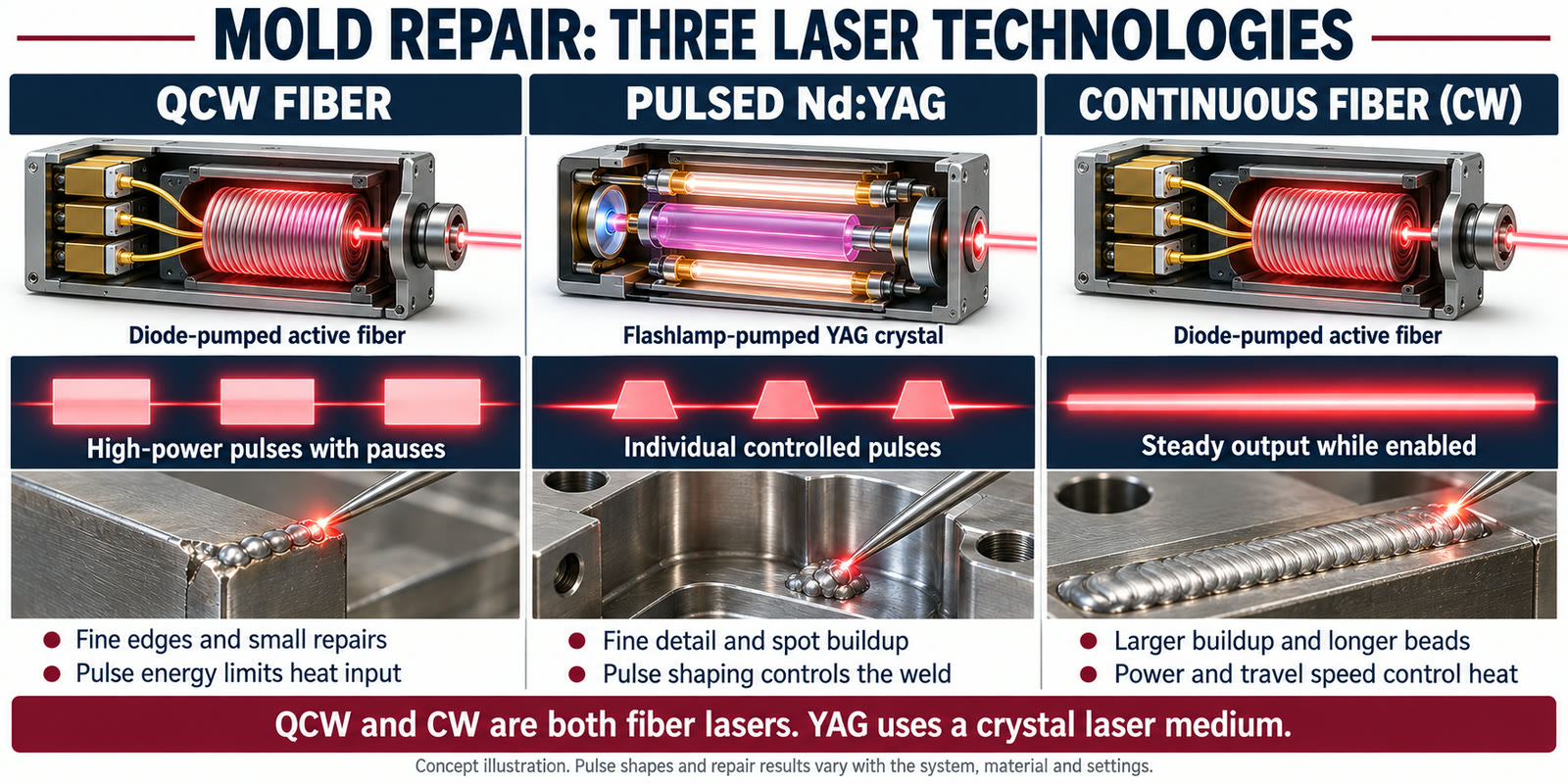
Yes. It is used to repair molds and parts, and the precision lets you fix a spot without damaging the area around it.
Is it cost-effective for small businesses?
It can be, if the time and finishing it saves offset the upfront cost. Compare it with your own volume.
The bottom line
Laser welding gives you speed, a clean finish and low distortion on thin and medium material. The Ascent hand-held laser welder comes with a laser helmet, safety glasses, installation and training. The handheld welder carries a 2-year warranty. Visit Ascent Lasers Pro or contact us to find the right model.