
Call us: 1-800-927-5107 647-494-7800 ext. 1008

How to Avoid Warping When Welding Thin Aluminum Sheets?

Aluminum conducts heat several times better than steel. That is useful in many products, but it makes welding harder. On thin sheet, too much heat expands one area faster than the rest, and when the metal cools it contracts unevenly. The sheet ends up warped, and the part loses both its shape and its appearance.

Laser welding helps, because the beam puts heat only where you aim it. Good technique still matters. This article covers why thin aluminum warps and what you can do to prevent it.

Why thin aluminum warps

Aluminum spreads heat quickly across the surface and also melts at a fairly low temperature, so it needs little heat to reach welding temperature. On a thin sheet, one section often heats faster than the rest. It expands, and as it cools it pulls the sheet out of shape.

The main causes of warping are:

  1. Too much heat. More heat than the joint needs raises the risk of distortion.
  2. Uneven heating. Holding the beam on one spot for too long creates an imbalance.
  3. Poor support. Without proper clamping or backing, the sheet shifts while you weld.

Tools that reduce warping

A laser welder gives you better heat control than traditional methods, and a few simple tools add to that:

  • Clamps and fixtures hold the sheet so it cannot move during the weld.
  • Backing bars, made of copper or steel, support the sheet and pull heat away from it.
  • Heat sinks draw heat out of the sheet and help keep the temperature even.

Steps to prevent warping

1. Prepare the surface

Clean the aluminum before you weld. Dirt, grease and oxide interfere with the weld and make it uneven. Use a wire brush or a suitable cleaner.

2. Match the heat to the thickness

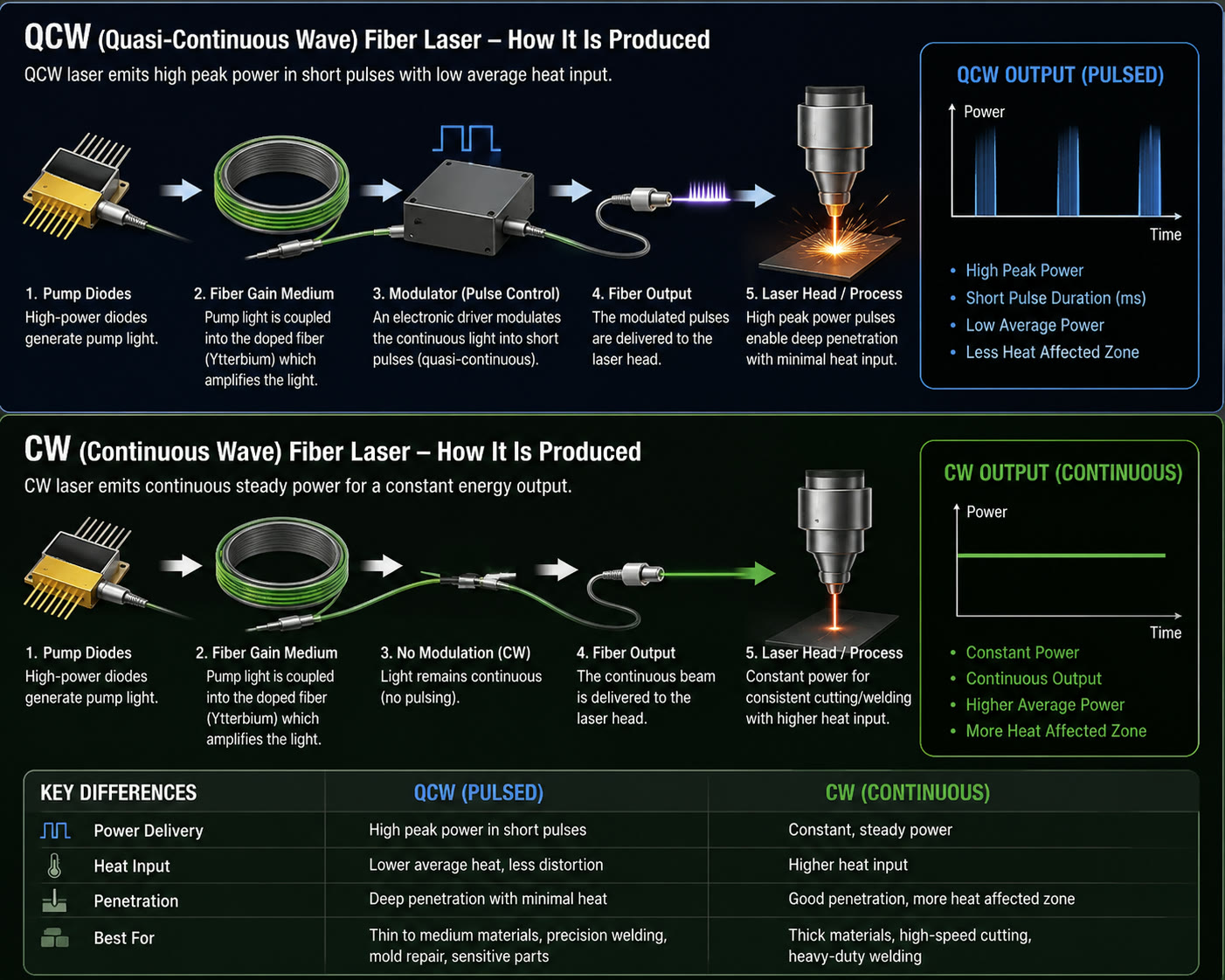
Thin sheet needs less power than thick plate. Set the laser for the thickness you are welding. Pulsed welding delivers heat in controlled bursts, which can help reduce distortion.

3. Hold the work firmly

Clamp the sheet in a fixture so it stays put through the weld.

4. Tack the joint

Place small tack welds along the joint before the main weld. They keep the pieces aligned while the heat builds.

5. Use a backing bar

A backing bar under the sheet supports it and absorbs excess heat.

6. Keep the heat even

Move the torch at a steady speed. Do not hold the beam on one spot.

7. Try a different weld pattern

One long straight weld can put a lot of heat into a single area. Skip welding or a staggered sequence lets the metal cool between passes.

8. Let it cool naturally

Let the part cool at room temperature. Quenching it with water or another fast method can make warping worse.

Why laser welding suits aluminum

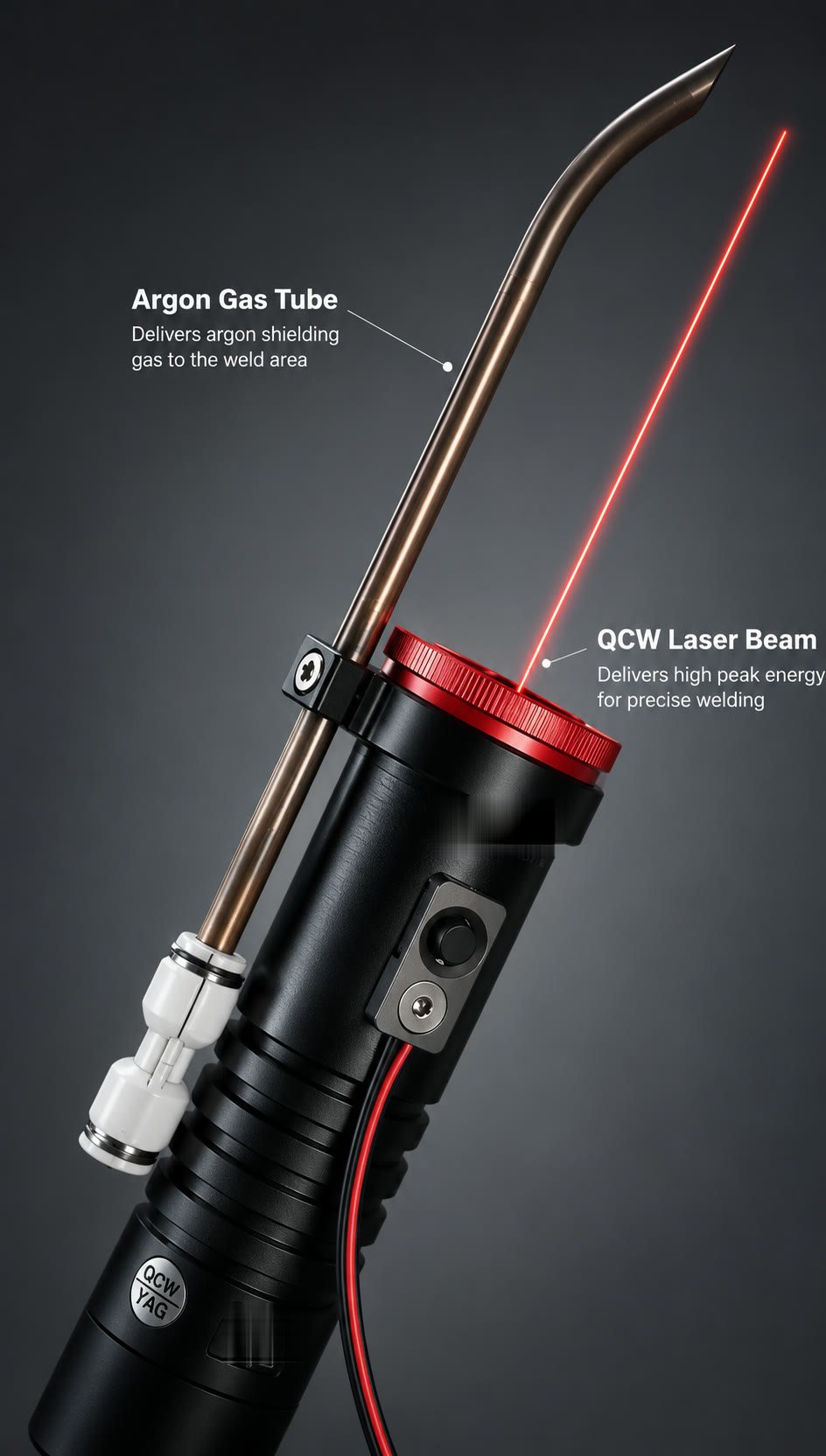
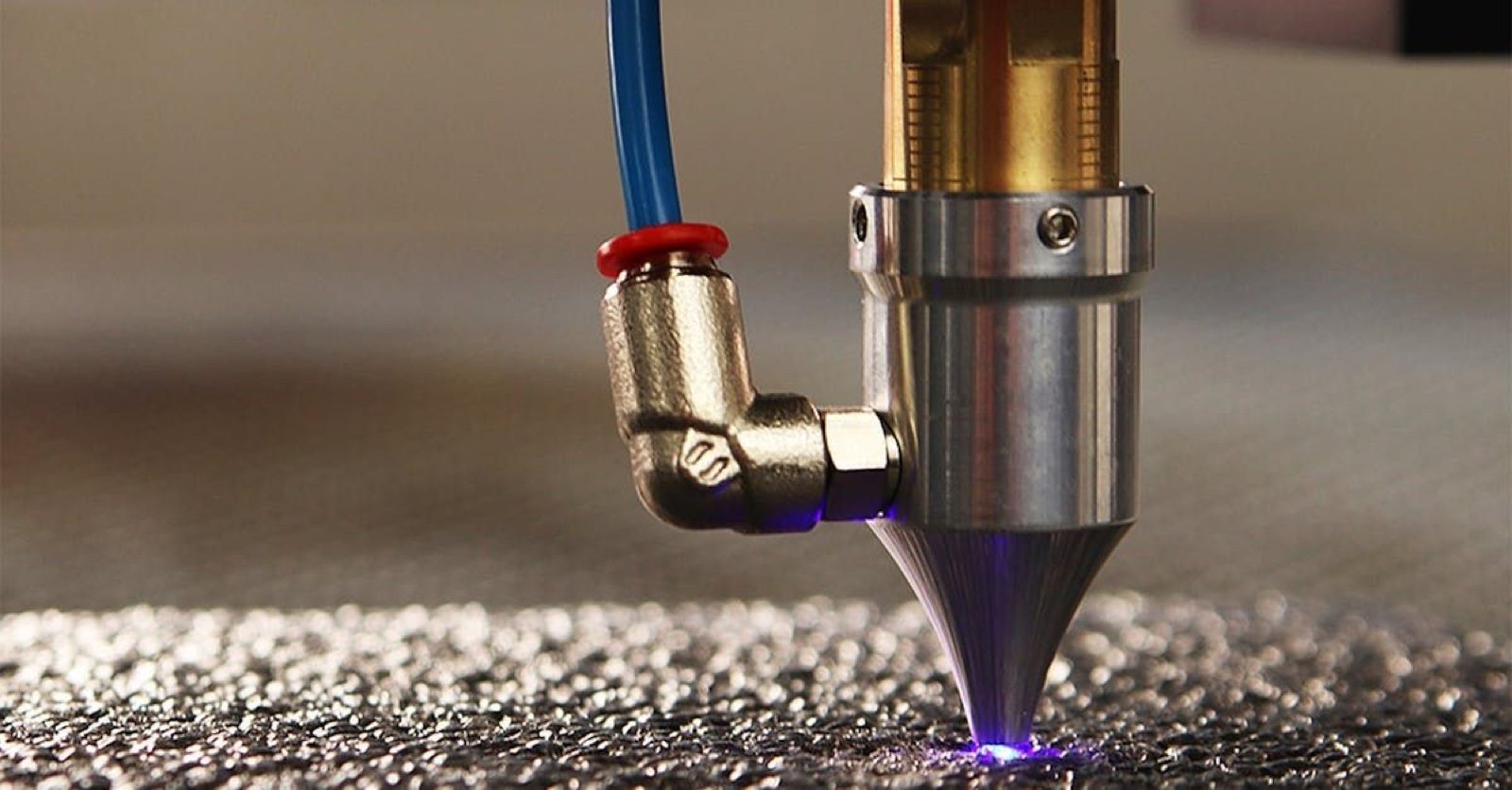
A laser concentrates its heat in a very small area, so the heat-affected zone (HAZ) stays narrow. That means less distortion, and faster welding speeds help productivity too. A handheld laser can weld a range of aluminum thicknesses and alloys when the settings suit the job.

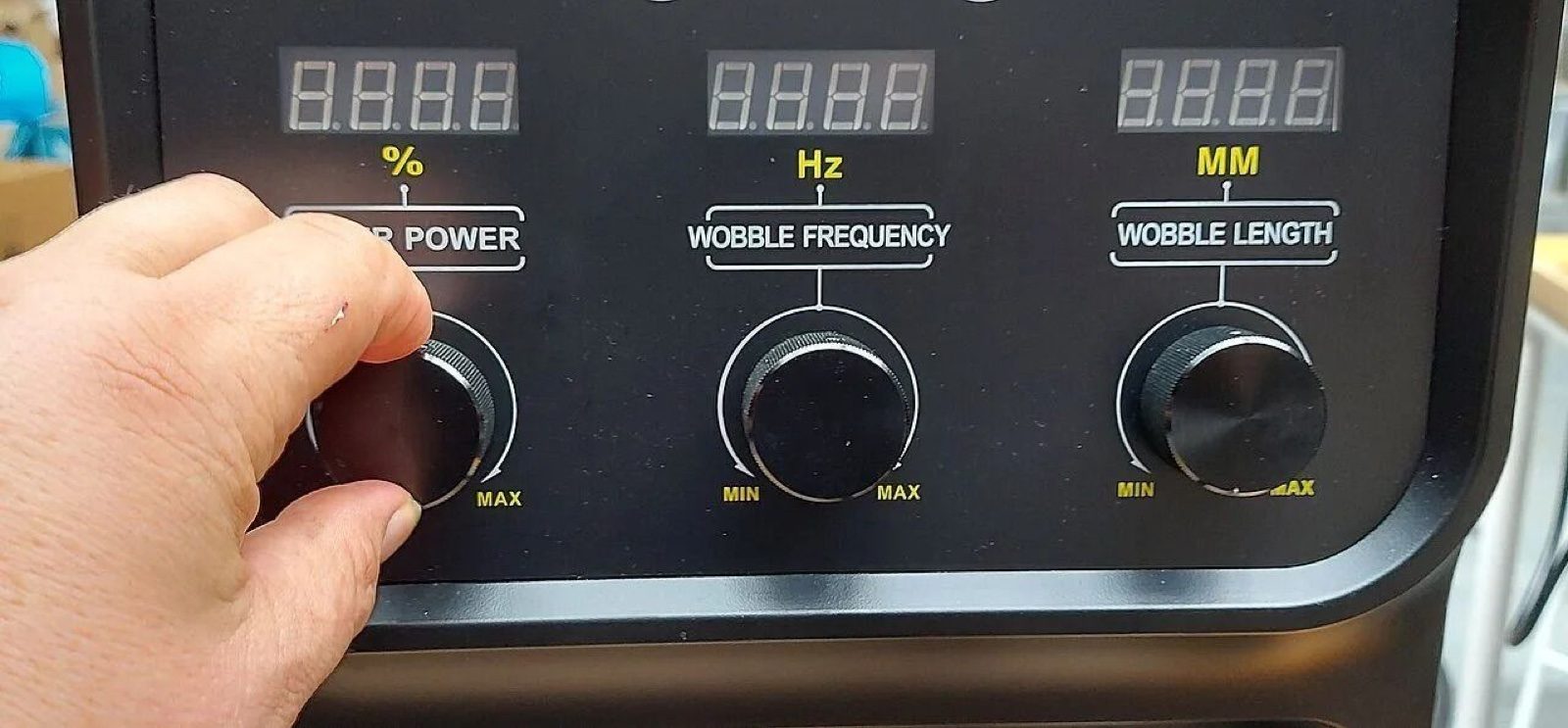
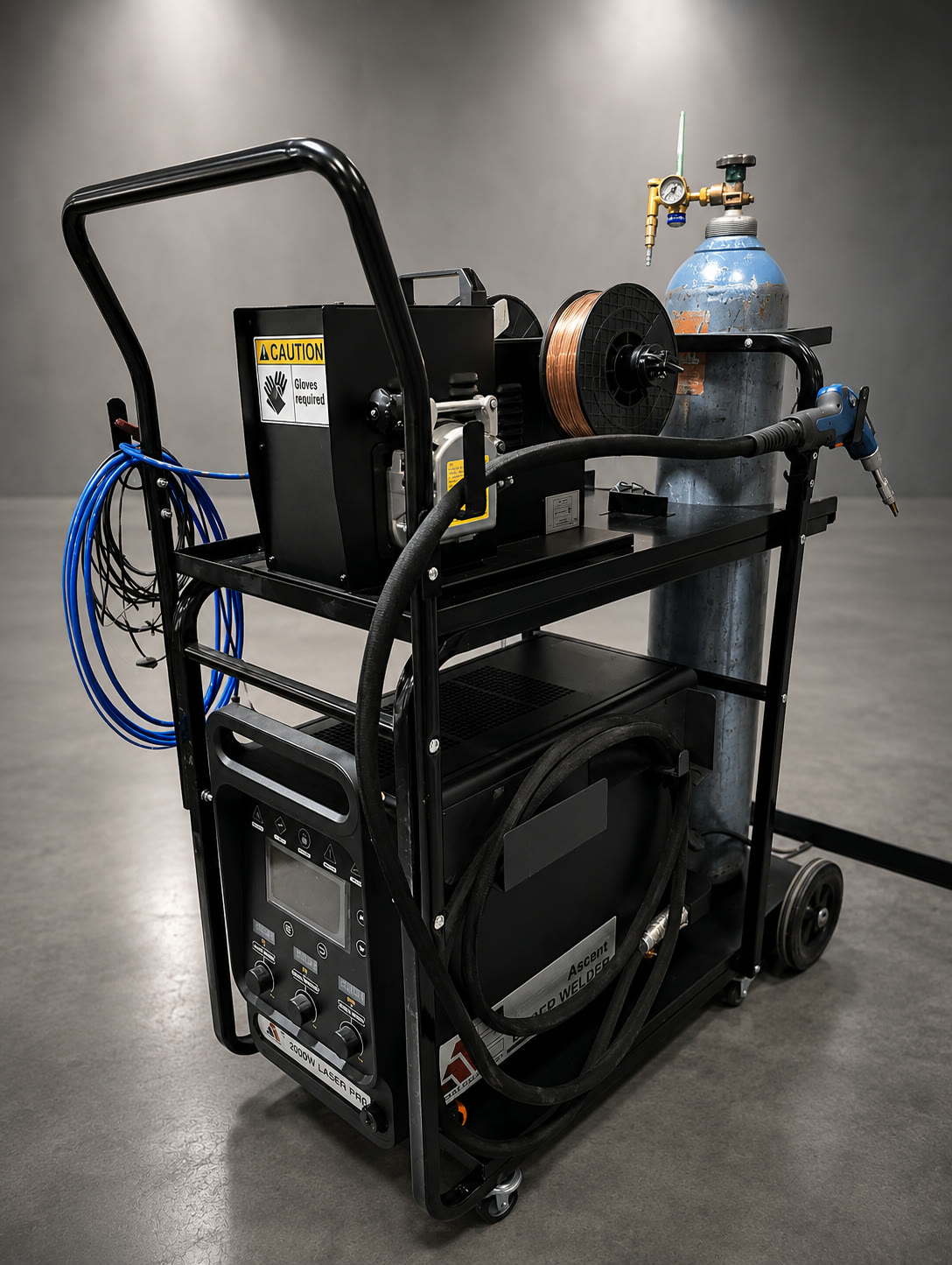
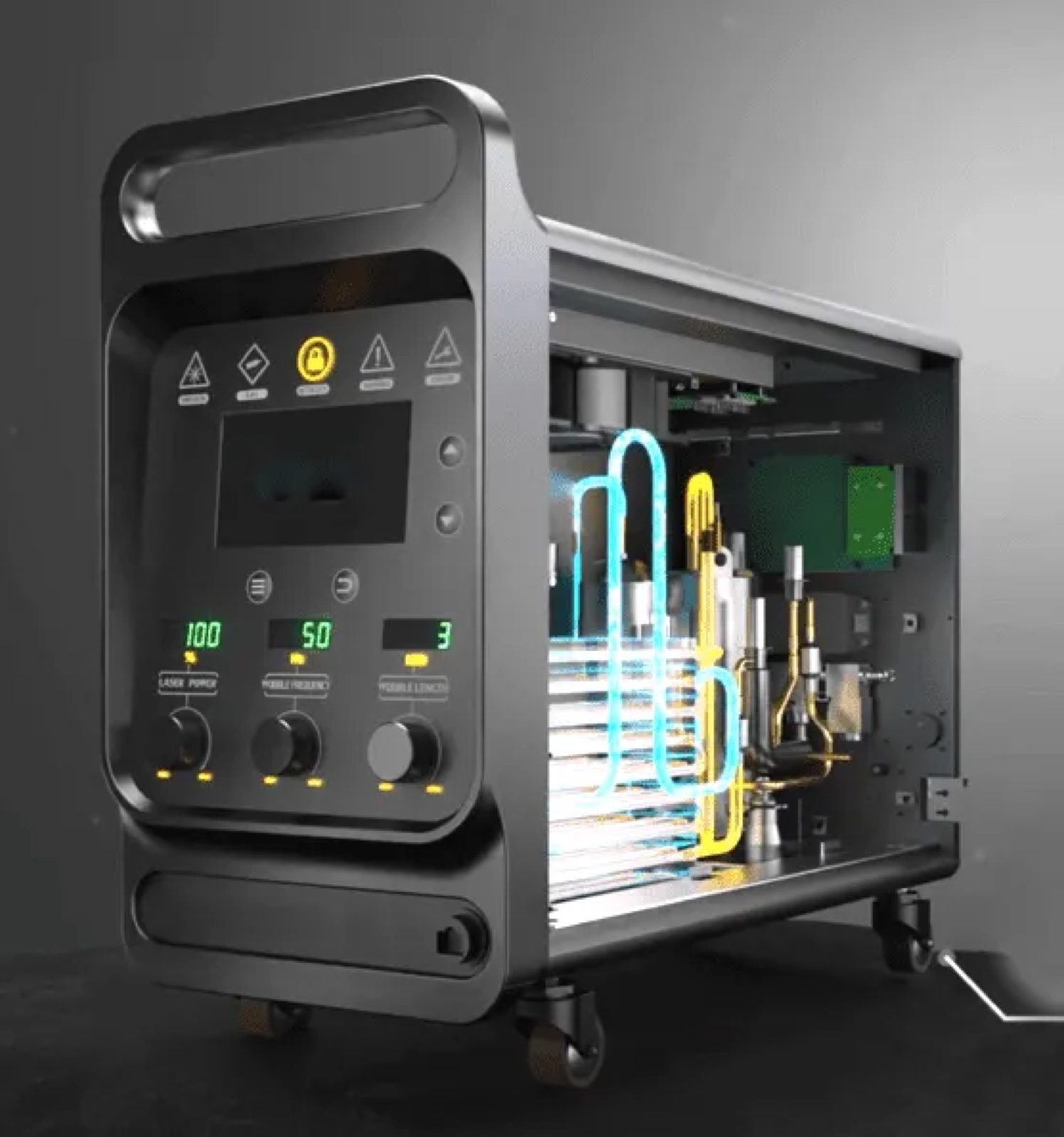
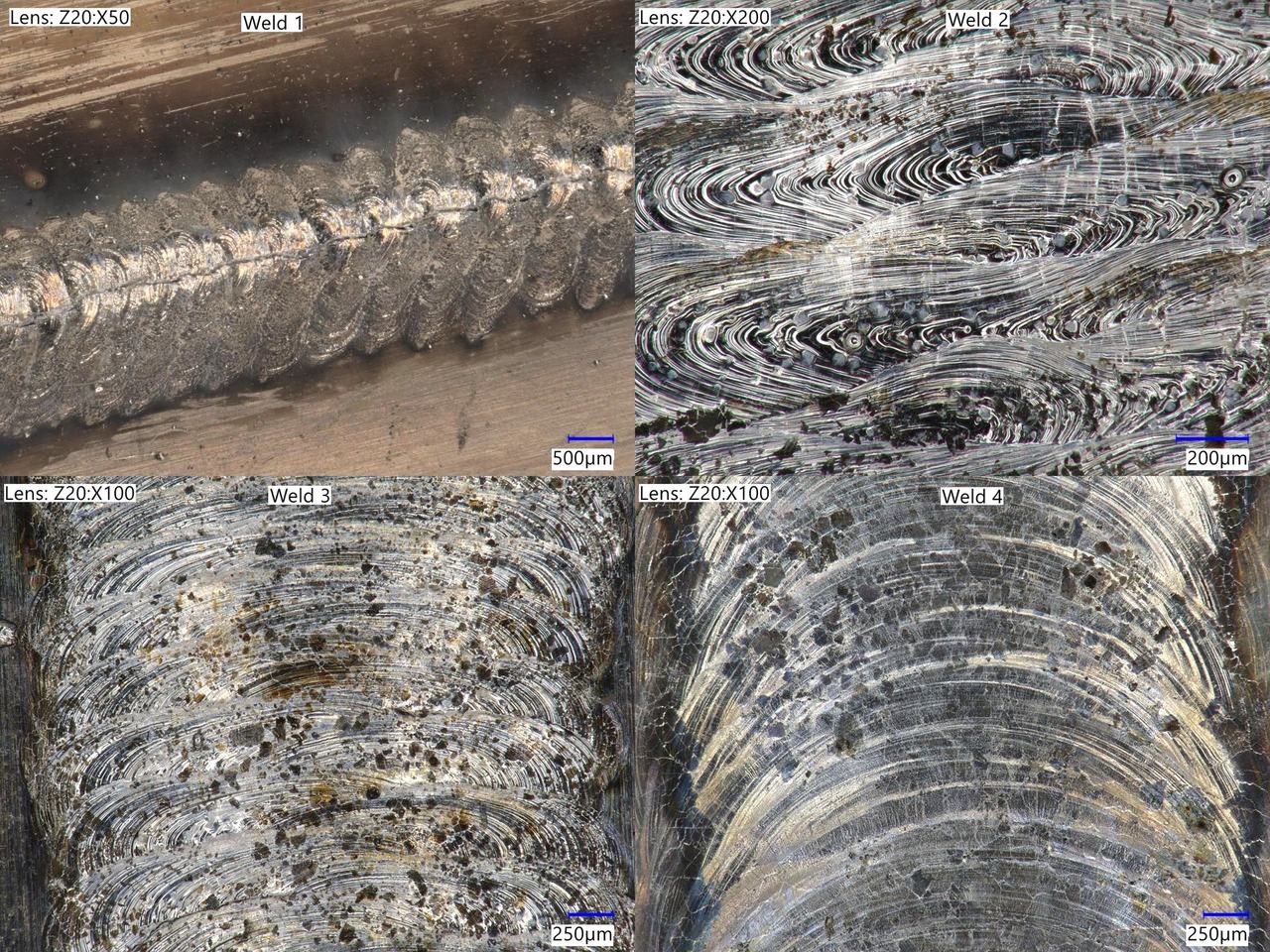
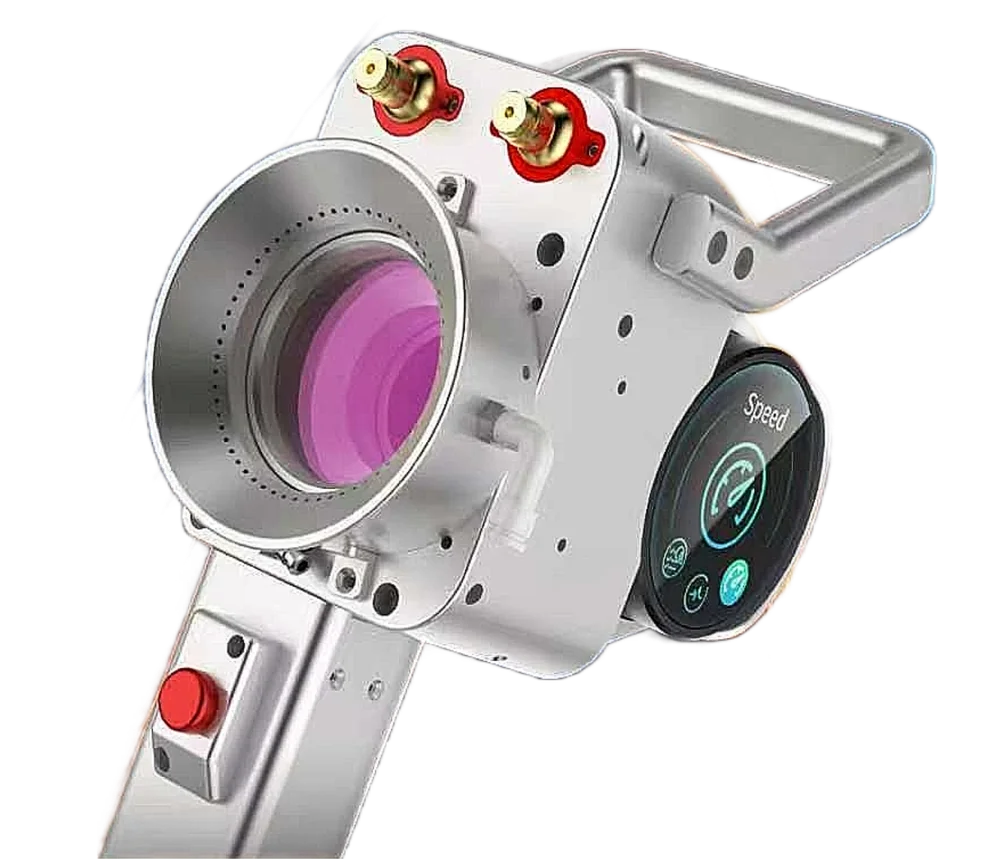
The Ascent handheld welder shows this on aluminum. The refrigeration laser welder page includes microscope images of aluminum welds from the 2000W model, which put very little heat into the metal. After qualified training, an operator with no earlier aluminum welding experience can weld very thin aluminum. The operator is still responsible for completing the required training, following approved process controls and meeting every laser-safety requirement.

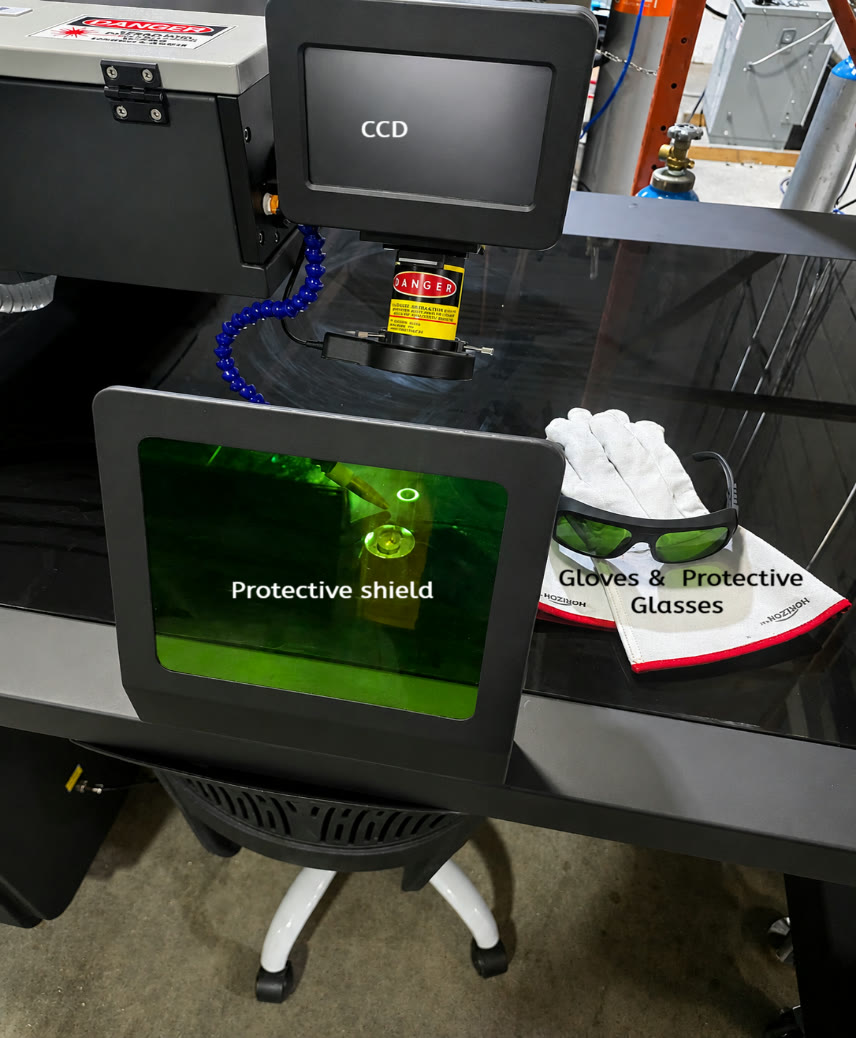
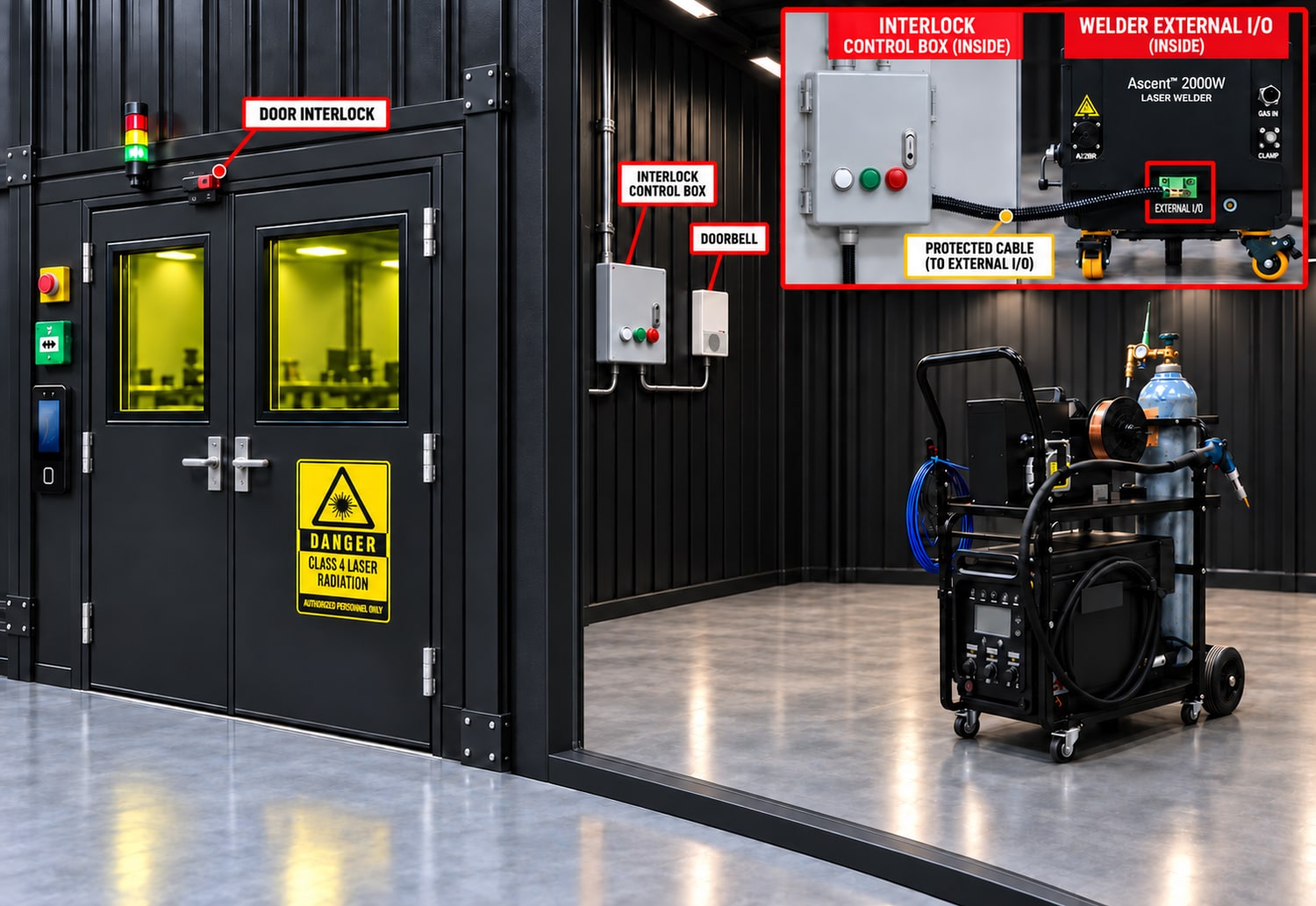
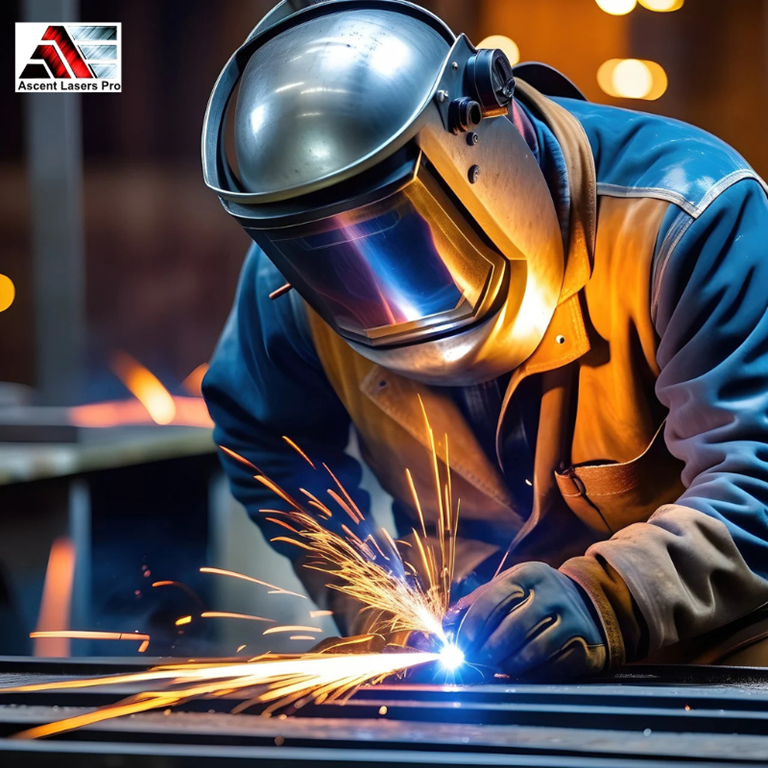
A handheld laser welder is a Class 4 laser. Wear a laser welding helmet and laser safety glasses. Minimum OD 5; prefer OD 7 or 8. See our laser safety page for details.

Mistakes to avoid

  • Using too much heat. Start low and raise the power only as needed.
  • Skipping the cleaning. A dirty surface gives uneven results.
  • Poor support. Without clamps or a backing bar the sheet can shift or sag.
  • Rushing. Welding too fast can leave an uneven joint or incomplete fusion.

Where thin aluminum welding is used

Thin aluminum sheet is common in aerospace parts, automotive panels and structural components, and in housings for batteries and electronics. On these parts, even minor warping can affect fit, function or appearance.

Tips for consistent results

  • Practice on scrap pieces to find the right settings.
  • Watch the temperature of the part while you weld.
  • Keep the work area clean and organized.
  • Use sturdy clamps and fixtures.

Summary

Thin aluminum warps when it gets too much heat or uneven heat. Clean the surface, control the power, support the sheet and move steadily, and a laser weld can keep it flat. To learn more about the Ascent handheld welders, visit Ascent Lasers Pro or contact us.
← All articles
More from Ascent Lasers Pro

Related articles

How to Select a Handheld Laser Cleaning System
How to buy a handheld laser cleaner: describe the job, test on your own parts, look past the wattage, plan fume extraction and compare cost per square foot.
How Laser Technology Empowers Fabricators and Entry-Level Workers
Laser welders let entry-level workers do professional work on routine jobs. What they learn fast, what still takes skill, and what a shop can save.
Buying a Handheld Laser Welder: A Practical Checklist
Cooling, power, wire feeder, wobble head, torch weight, safety and warranty: the points that decide which handheld fiber laser welder fits your shop.
Your First Laser Welder: The Questions That Matter
Material, wattage, handheld or tabletop, pulsed or continuous, cooling, safety gear and quote terms: how to pick a first laser welder without overspending.
Inside the Ascent 2000W Handheld Fiber Laser Welder
What the Ascent 2000W handheld fiber laser welder brings to a shop: refrigerant cooling, a high-speed wobble head, a light torch and a complete kit.
How the Ascent 2000W Refrigeration Laser Welder Compares
The Ascent 2000W refrigeration laser welder next to typical air- and water-cooled handheld welders: cooling, duty cycle, torch weight, running cost and support.
Winning Over a Skeptical MIG or TIG Welder
How to get an experienced MIG or TIG welder to give laser welding a fair try: aluminum, the daily workflow, labor math, safety questions and a test weld.
Up to 4x Faster: What a 2000W Handheld Fiber Laser Welder Offers
Handheld fiber laser welders can travel up to 4x faster than traditional welding. Cooling, torch weight, included gear and what a 2000W machine can weld.
Laser Welding and the Cost of Aluminum Welding Labor
Skilled aluminum TIG welders are expensive and hard to hire. How training a production worker on a laser welder changes the labor math, with wage data.
Fit-Up and Gap Control in Laser Welding
A gap in a laser weld joint is a path for the beam. Fit-up tolerances, joint types, fixturing, copper backing bars and what to do when a gap stays open.
Setting Up a Laser Welding Workstation, Step by Step
Where to put a handheld laser welding station and how to lay it out: table height, safety zone, fume extraction, cables, fixtures and a daily checklist.
Is QCW Safer? Pulsed vs. Continuous Tabletop Laser Welding
QCW pulses put less heat into thin aluminum and stainless than CW, but both are Class 4 lasers. What a CCD camera and an enclosure really add to safety.
QCW Tabletop or 2000W Handheld: Which Laser Welder Fits Your Shop?
The Ascent QCW tabletop and handheld welder versus the 2000W handheld: typical work, heat input, speed, and which kind of shop should buy which.
Mold Repair Lasers Compared: QCW Fiber, Pulsed Nd:YAG and Continuous Fiber
QCW fiber, pulsed Nd:YAG and continuous fiber (CW) lasers for mold repair: beam quality, efficiency, peak power on reflective metals, filler wire and heat.
Which Materials Actually Stop a 1070nm Fiber Laser Beam?
Ordinary welding curtains don't stop a 1070nm fiber laser. Which absorbing and reflecting materials work as backing, barriers and beam stops, and which fail.
CO₂ or Fiber Laser Cutter? Match the Laser to the Material
CO₂ or fiber laser cutter? Which materials each one cuts, edge quality, speed, running costs and maintenance, and when it pays to run both.
Consumables for a Dual-Gantry CO₂ and Fiber Laser Cutter
Which parts wear out on the CO₂ and fiber sides of a dual-gantry laser cutter, how often to replace them, what spares to stock and how to budget for them.
CNC Router, CO₂ Laser or Fiber Laser: Choosing by Material
CNC router, CO₂ laser or fiber laser? A material-by-material look at what each machine handles, and where a dual-gantry CO₂ and fiber cutter fits.
How to Choose a Fiber Laser Cleaner: Pulsed vs. CW, Power and Cooling
Pulsed or continuous wave, low or high power, air or water cooling? What laser cleaners remove, the specs that matter, red flags and what to ask a supplier.
Class 4 Laser Regulations in Canada
Class 4 lasers in Canada: Health Canada product rules, bilingual labels, provincial workplace law, Alberta registration and what to ask for before you buy.
How Can a 300W Laser Cutter Improve Metal Fabrication?
How a 300W CO₂ laser cutter supports a metal fabrication shop by cutting acrylic templates, panels and prototypes while the metal machines stay on metal.

Talk to a laser specialist about your welding or cutting job

Contact us