Set the Ascent 2000W refrigeration handheld fiber laser welder next to its leading alternatives and laser wattage turns out to be just one line on the comparison sheet. What separates machines in daily use is production performance, cooling technology, ease of use, running costs and support.
Side by side
| Feature | Ascent 2000W | Typical competitors |
|---|---|---|
| Cooling | Direct-cooled with a refrigerant heat pump | Air-cooled or water-cooled |
| Duty cycle | 100%: runs continuously, with no scheduled cooling stops | Depends on the model and its cooling design |
| Upkeep | No water changes, no chiller servicing | Cleaning air filters, or maintaining the water circuit and chiller |
| Torch weight | 1.32 lb (600 g) | Varies; check the weight in grams |
| Temperature range | −20°C to +60°C (−4°F to +140°F) | Varies by model |
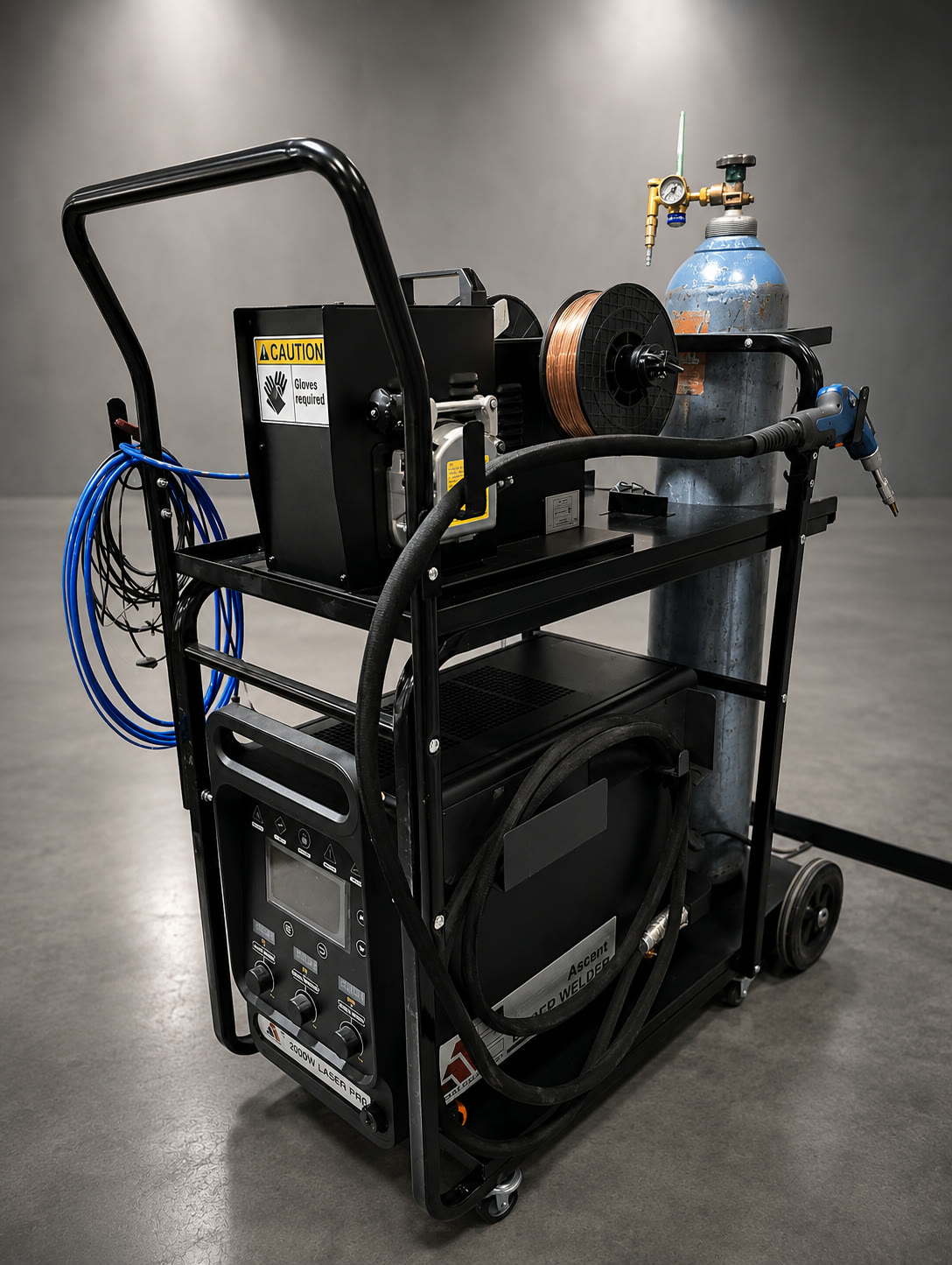
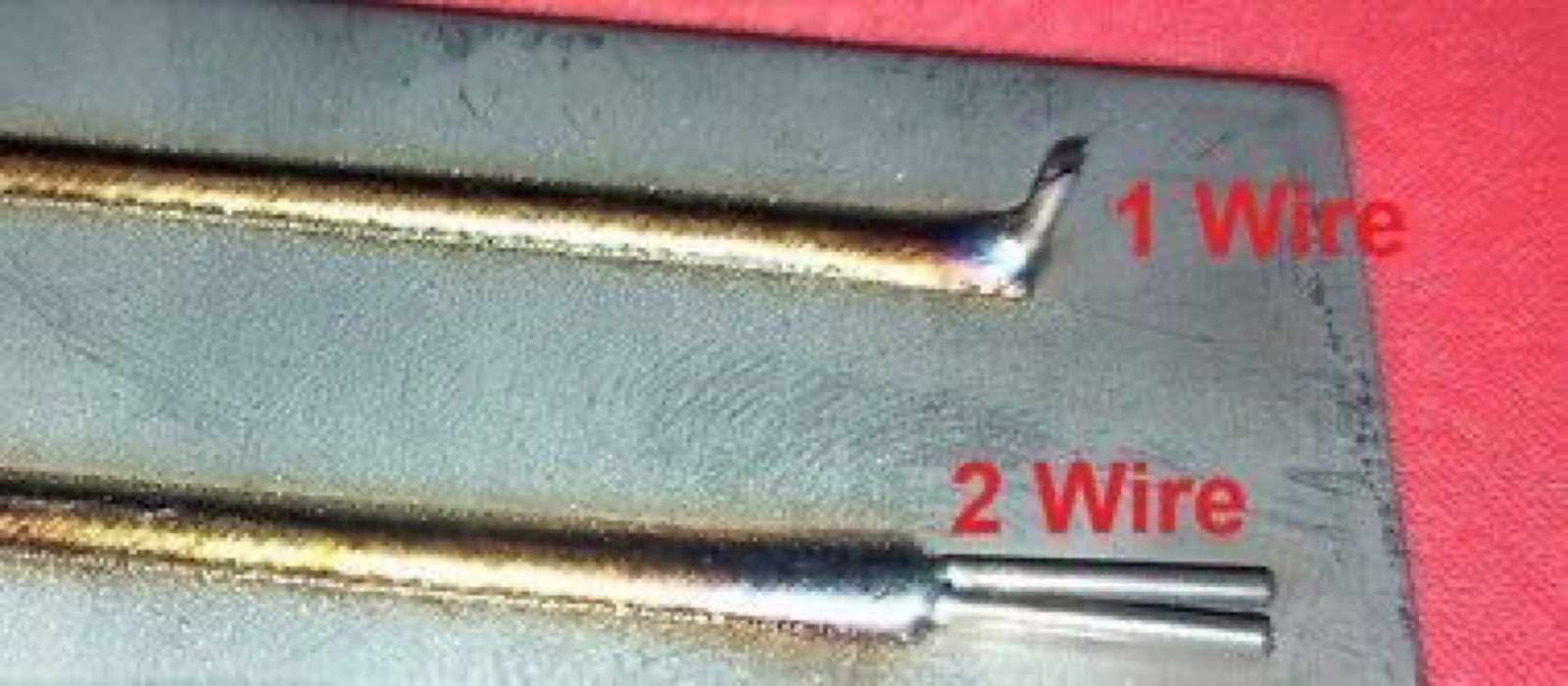
| Wire feed | Automatic feeder for one or two wires, supplied | Check whether a feeder is included |
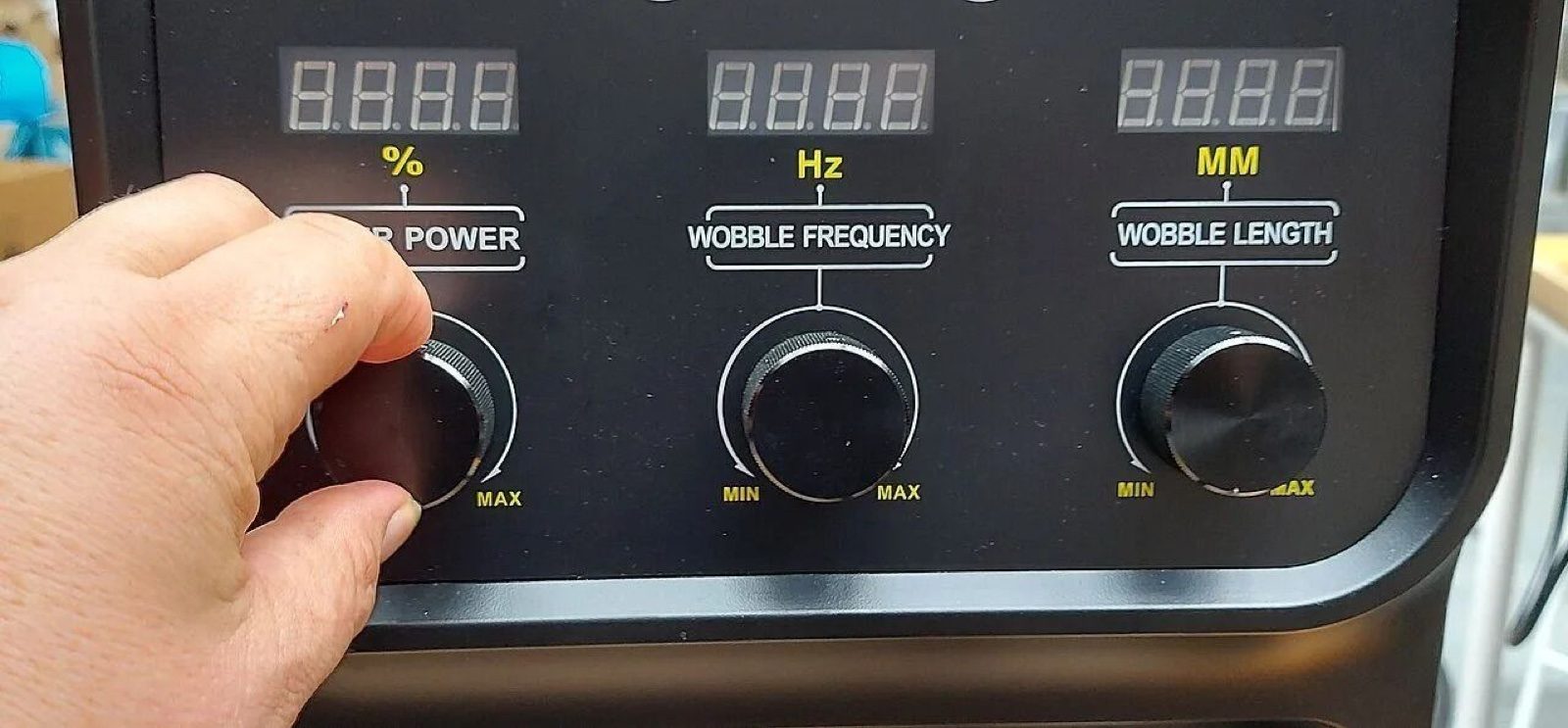
| Controls | Android app and a 3-button control | Varies |
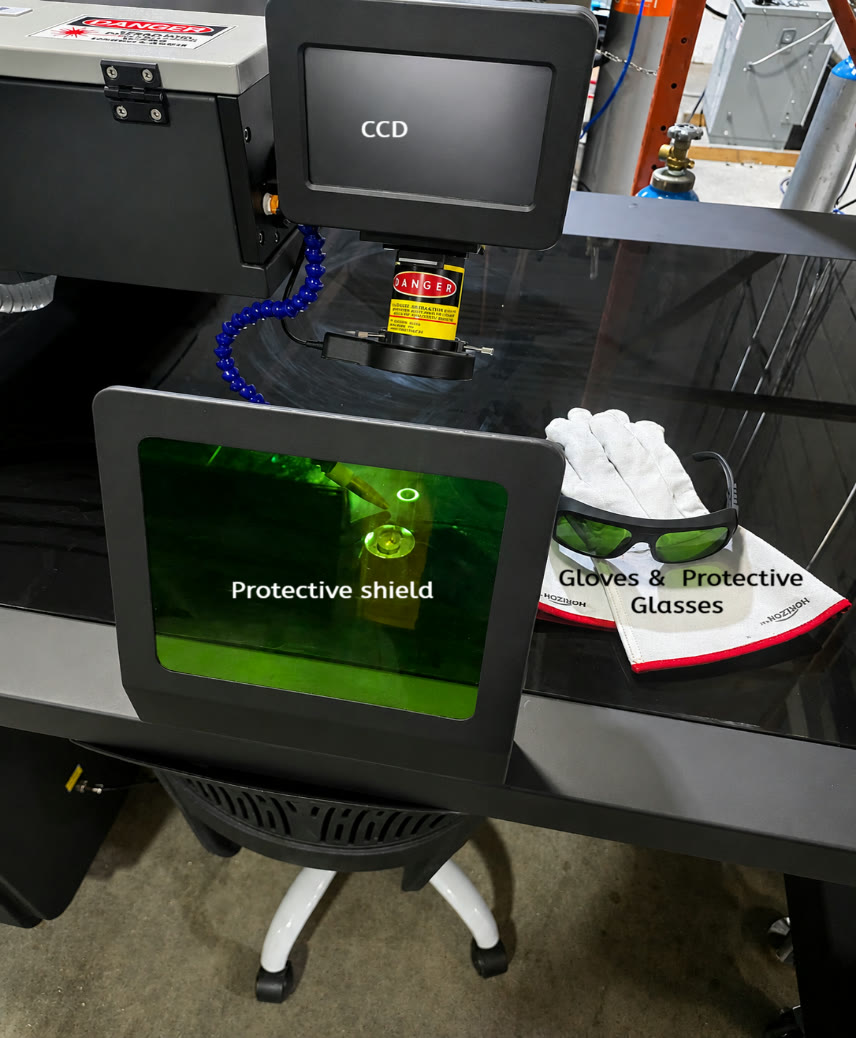
| In the box | Wire feeder, aluminum wire, trolley, laser helmet, safety glasses, nozzles and spare lenses | Check what the quote includes |
What the Ascent does differently
Refrigeration cooling
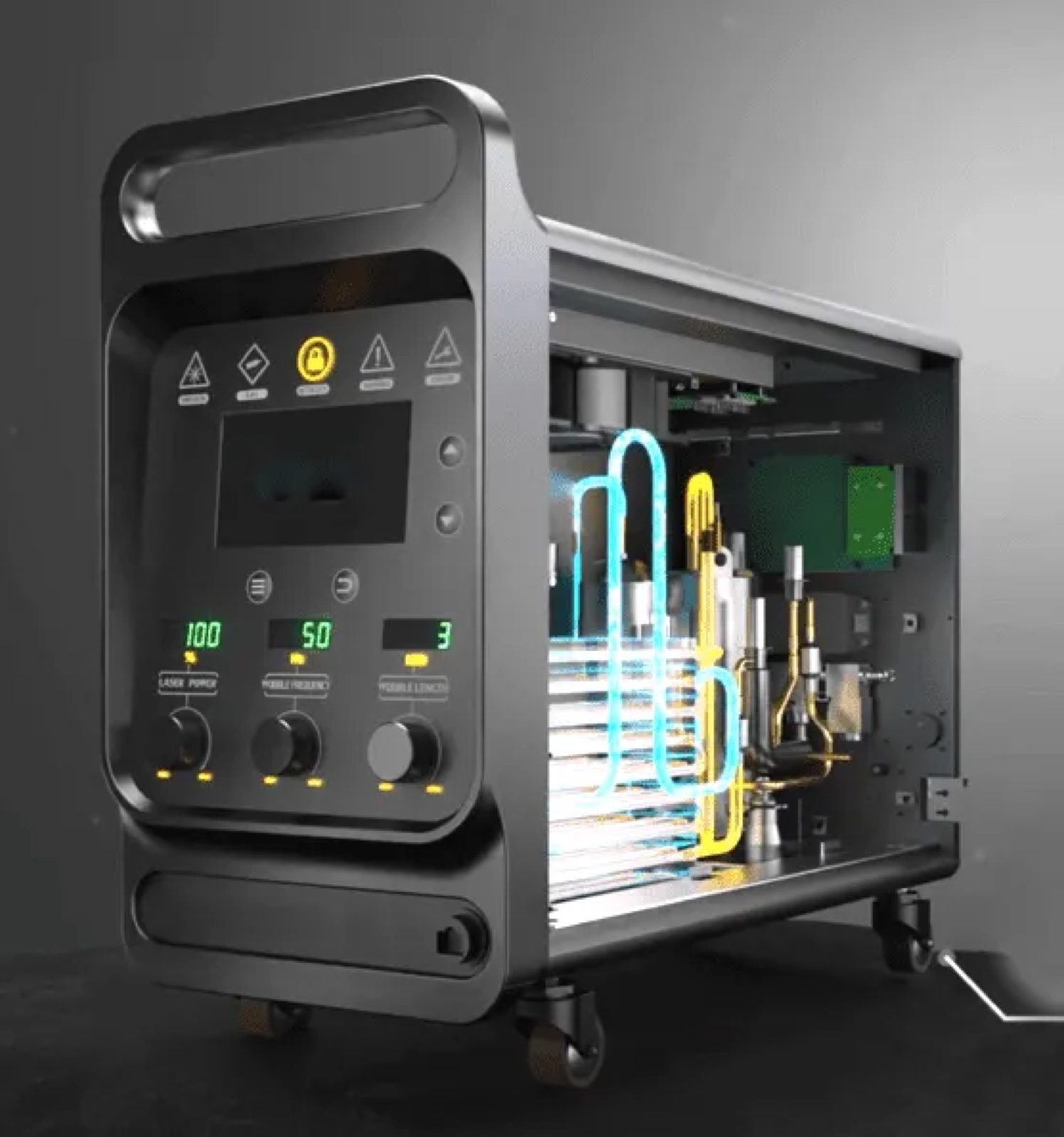
Most welders use air or water to carry heat away. The Ascent cools with a two-circuit refrigerant heat pump, the same principle as an air conditioner, and that changes how the machine behaves in a working shop.
There is no water tank to fill and no coolant or chiller to look after, so you get less downtime and less maintenance overhead. The laser sits at a steady temperature all shift and keeps performing in ambient temperatures from −20°C to +60°C (−4°F to +140°F), with no scheduled cooling breaks. Ascent states that the heat pump uses 60% less energy than other cooling systems.
Air-cooled machines throttle when the load is sustained. Water-cooled machines need a separate chiller and regular upkeep. The Ascent's refrigeration system addresses both weaknesses in one integrated design.
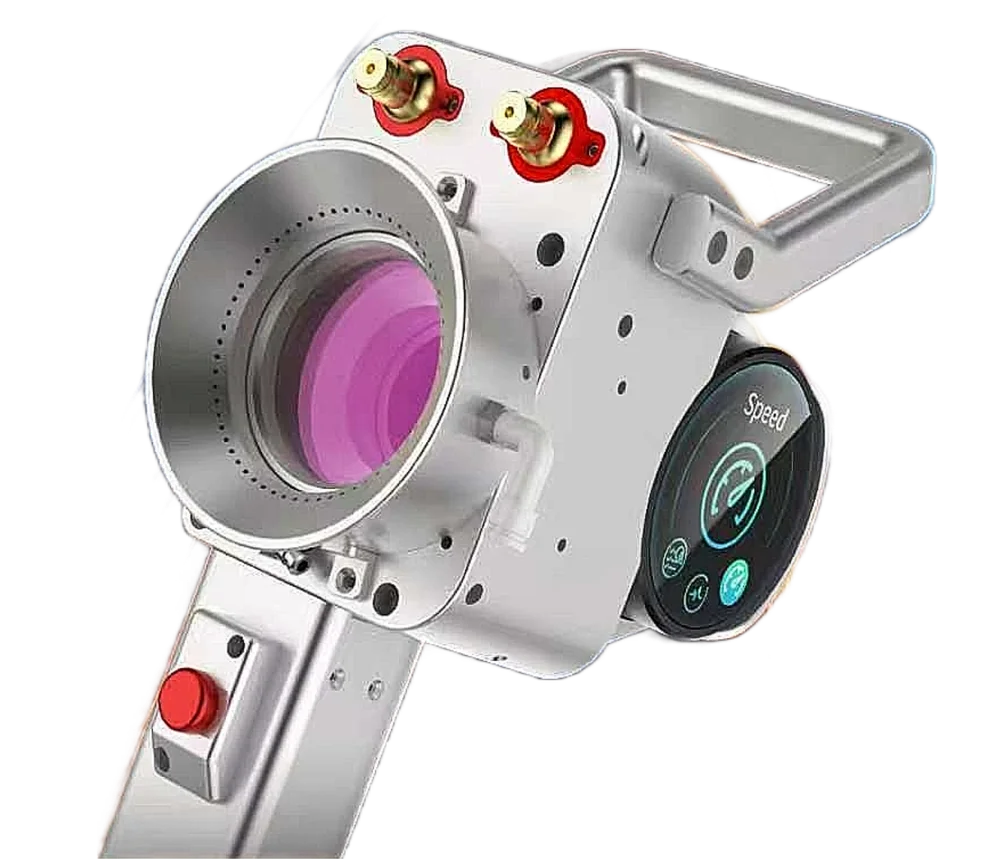
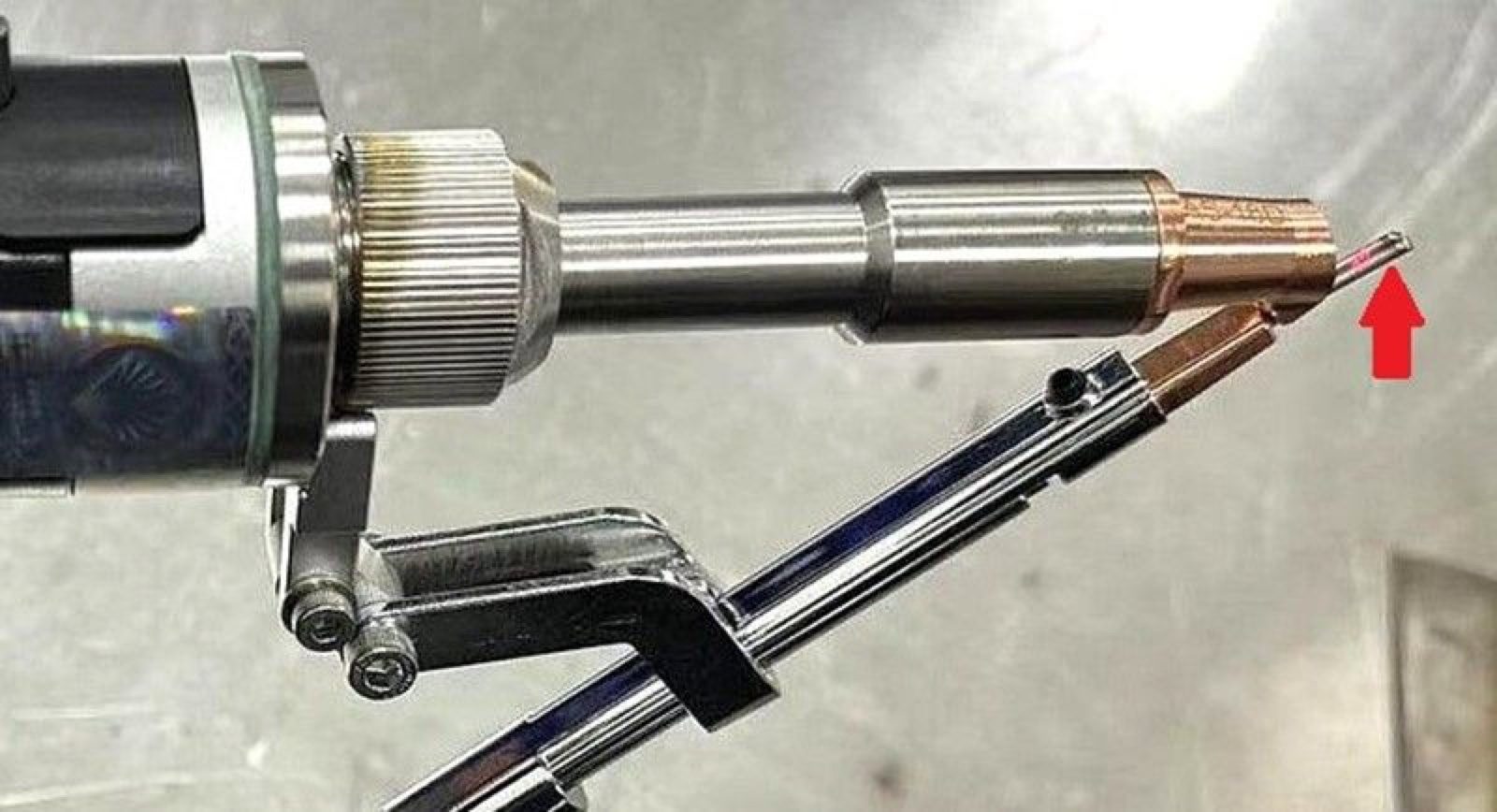
A lighter torch
Torch weight shapes how well an operator performs across a full shift. A lighter gun means less fatigue over a day of welding, better control and steadier weld quality, quicker moves between weld points, and more accurate work on tight geometry.
Ascent lists the torch at 1.32 lb (600 g). Compare that figure with any welder you are considering, because over an 8-hour shift a heavier gun adds up in ways a spec sheet never shows.
Aimed at thin and medium fabrication
The Ascent 2000W is set up for aluminum and stainless steel in thin and medium gauges, the material in cabinets, enclosures, architectural metalwork, decorative work and HVAC parts. That focus keeps setup and operator training simple.
Lower running costs
Against water-cooled systems, the Ascent has no coolant to buy or dispose of, no chiller to service or replace, fewer consumable costs overall, and less planned downtime for maintenance.
Against air-cooled systems, it holds temperature better under sustained production loads and keeps performing in hot shops where air cooling degrades.
Cooling design is one of the biggest drivers of long-term running cost and productivity, yet purchase comparisons that fixate on wattage and price often overlook it.
Where it fits best
Good fits include shops fabricating aluminum or stainless steel, architectural metalwork, HVAC and light industrial work, and any continuous-production setting where cooling and duty cycle make the difference.
Why 2000W suits most production shops
For the bulk of fabrication jobs, a 2000W handheld laser welder gives the most even mix of speed, penetration, portability, electrical draw and simplicity. Aluminum, stainless, carbon steel and galvanized sheet are all within reach at the thicknesses common in light industrial manufacturing, so there's often no reason to move up to a bigger, costlier 3000W platform that may exceed what the job needs.
The overall picture
For light-to-medium fabricators, the Ascent's case rests on a handful of things. Direct refrigerant cooling sustains a 100% duty cycle, and a light torch cuts operator fatigue. Upkeep needs no chiller and no coolant. The machine arrives as a kit that is ready to weld, with a wire feeder, trolley, laser helmet, safety glasses and nozzles. The controls are an Android app plus a 3-button panel. Installation and training at your facility are included in the price, the welder has a 2-year warranty, and remote technical support lasts for the life of the machine.
A fair comparison also admits that other machines may suit some shops better, for example where deep automation or heavy industrial welding is the priority. Which machine is right depends on your volume, your materials, how close service is and what the machine costs to own over time, not on wattage alone.
To talk through your production needs and get a quote on the Ascent 2000W, contact us.