
Call us: 1-800-927-5107 647-494-7800 ext. 1008

CO₂ or Fiber Laser Cutter? Match the Laser to the Material

Choosing a laser cutter is one of the biggest equipment decisions a fabrication shop makes. Two technologies cover nearly all the work: CO₂ and fiber. Both are called laser cutters, but they are different machines built for different materials. This article explains which one suits which job.

How a CO₂ laser works

A CO₂ laser makes its beam from a gas mixture, mostly carbon dioxide, and produces infrared light at about 10.6 micrometers. Organic and nonmetal materials absorb that wavelength well.

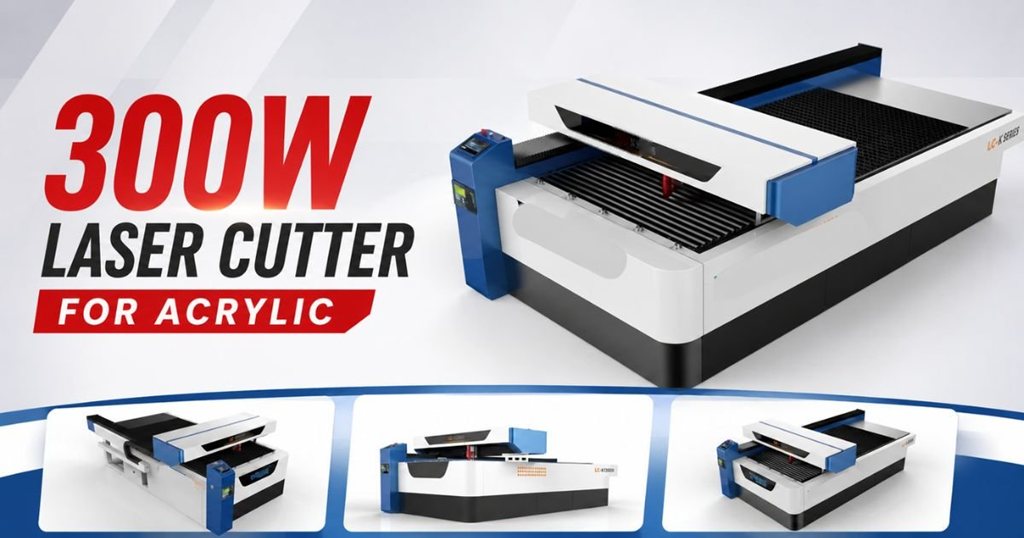
CO₂ lasers cut acrylic, wood, MDF, plastics that contain no PVC, foam, rubber, leather, fabric, paper and cardboard. On acrylic, the edge usually comes out smooth and polished and needs little or no finishing. Never cut PVC with a laser: it gives off corrosive and toxic fumes.

How a fiber laser works

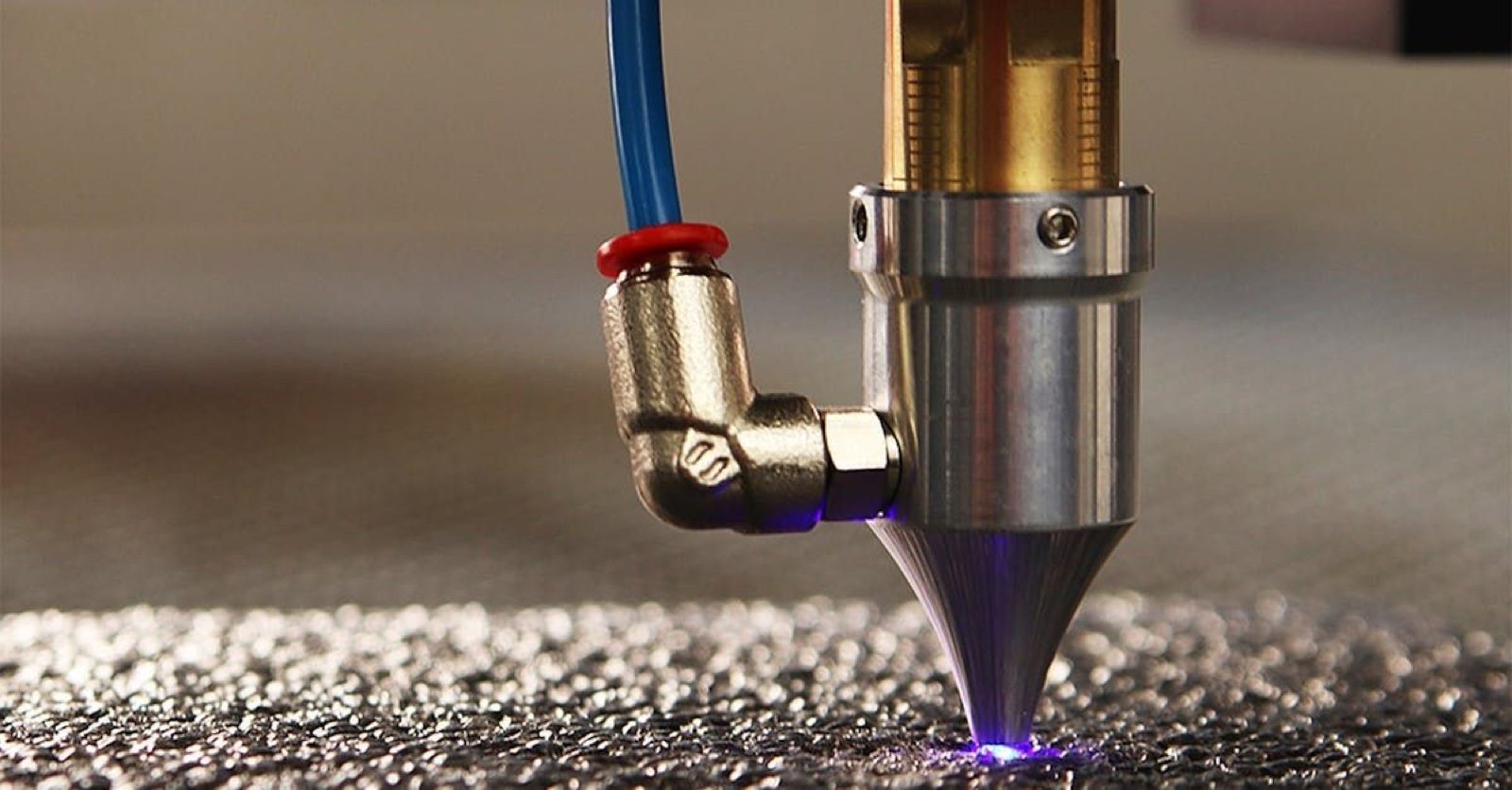
A fiber laser generates its light inside an optical fiber doped with a rare-earth element such as ytterbium. The wavelength is about 1.06 micrometers, which metals absorb readily, so it cuts metal quickly and precisely.

Fiber lasers cut stainless steel, carbon steel, galvanized steel, aluminum, brass and copper. In many shops they have replaced plasma, and waterjet on thin material, for sheet metal cutting.

Which laser for which material

Material CO₂ laser Fiber laser
Acrylic Excellent Not suitable
Wood and MDF Excellent Not suitable
Plastics (no PVC) Excellent Limited
Leather and fabric Excellent Not suitable
Stainless steel Not the right tool Excellent
Carbon steel Not the right tool Excellent
Aluminum Poor Excellent
Brass and copper Poor Excellent

Edge quality

CO₂ on acrylic. Smooth, flame-polished edges with good clarity and little finishing. That matters where the edge is visible, such as on displays and lit panels.

Fiber on metal. Square edges with little burr and tight dimensional accuracy, which is what parts need when they will be welded and fit-up counts.

Speed

On acrylic and wood, CO₂ is faster. On metal, fiber is faster. Because each is tuned to different materials, they rarely compete head to head.

Typical jobs

CO₂:

  • Acrylic panels, letters and displays
  • Light diffusers
  • Wood and MDF parts
  • Leather and fabric goods
  • Stencils and templates
  • Packaging and prototypes

Fiber:

  • Sheet metal parts and enclosures
  • Brackets and mounting hardware
  • Stainless steel panels and logos
  • Aluminum housings and cabinets
  • Precision parts for welded assemblies

Running costs and maintenance

A CO₂ laser needs its tube replaced as it wears, its mirrors and lens cleaned, its beam aligned and its cooling checked. It also uses more electricity than a fiber laser of similar output.

A fiber laser needs much less optical care, because there are no mirrors in the beam path from the source. Routine work is cleaning or replacing the protective lens, replacing nozzles, looking after the chiller and checking the assist gas.

Why many shops run both

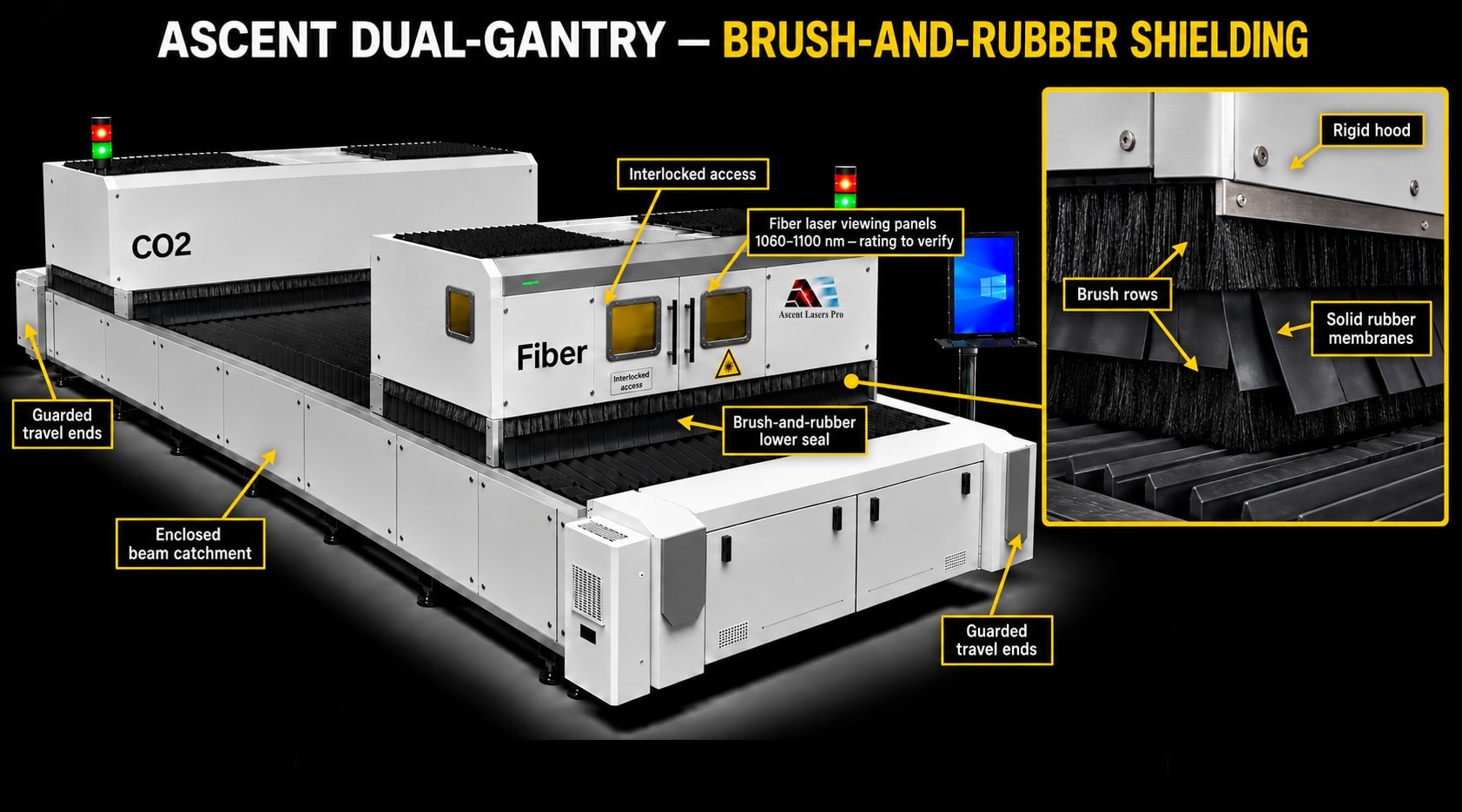
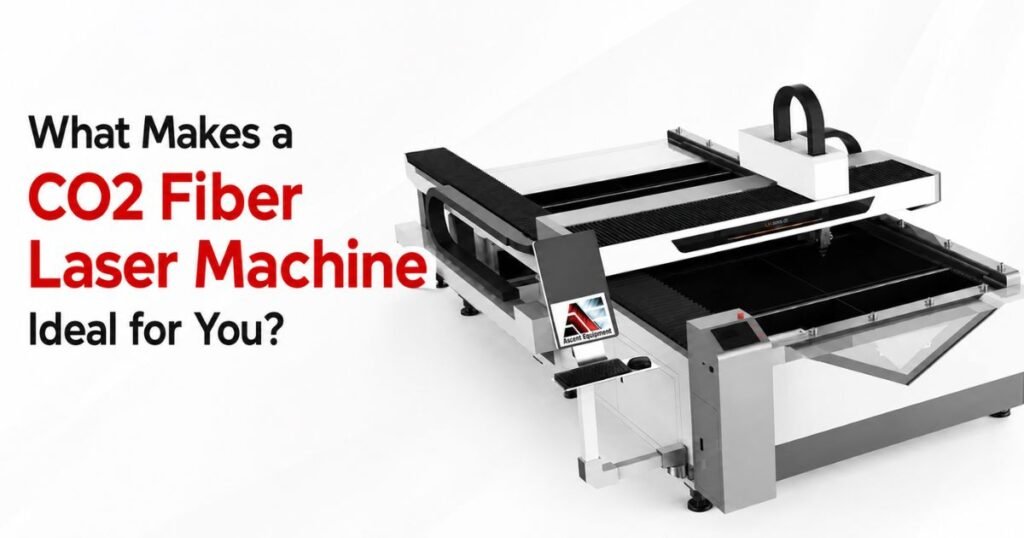
A shop that cuts both acrylic and metal often installs both technologies, because each does its own jobs best. A typical flow: design the job, cut the nonmetal parts on the CO₂ laser, cut the metal parts on the fiber laser, then join the metal with a handheld fiber laser welder and assemble.

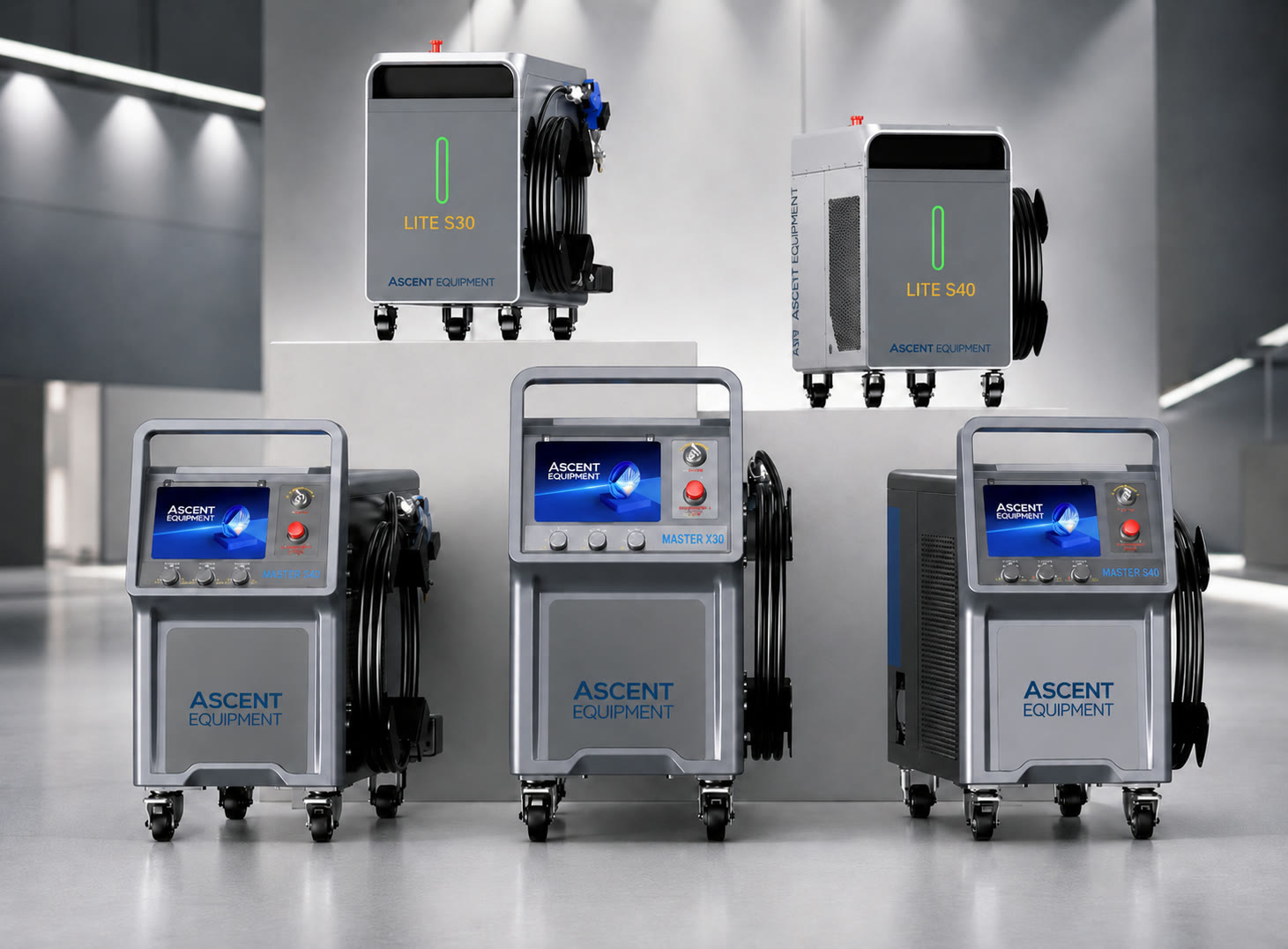
Ascent options

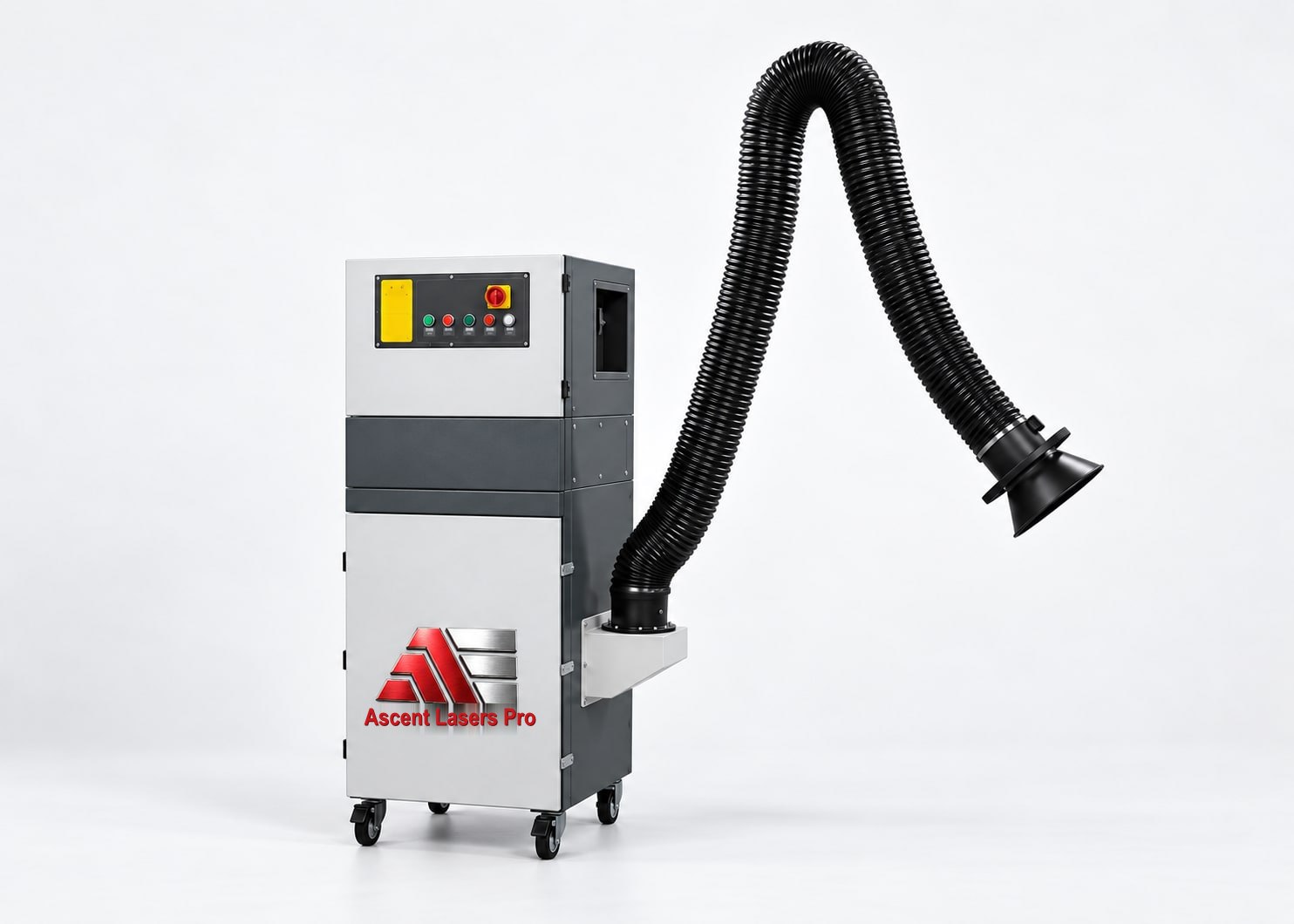
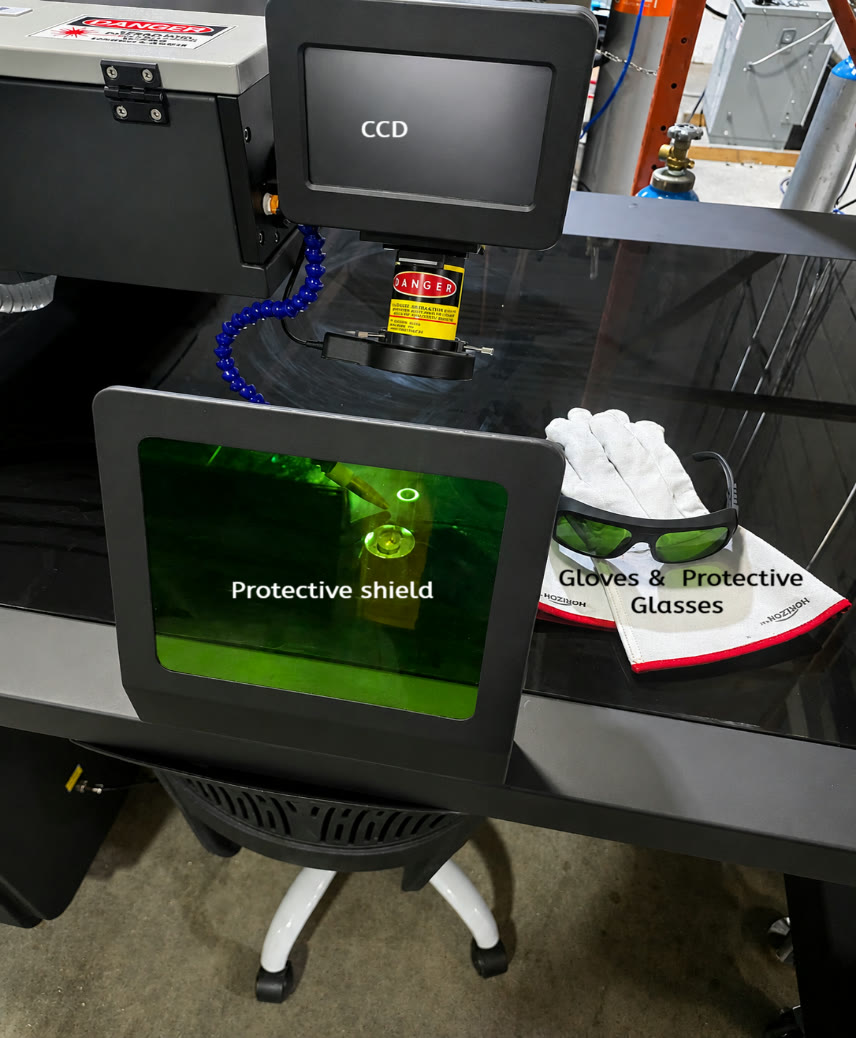
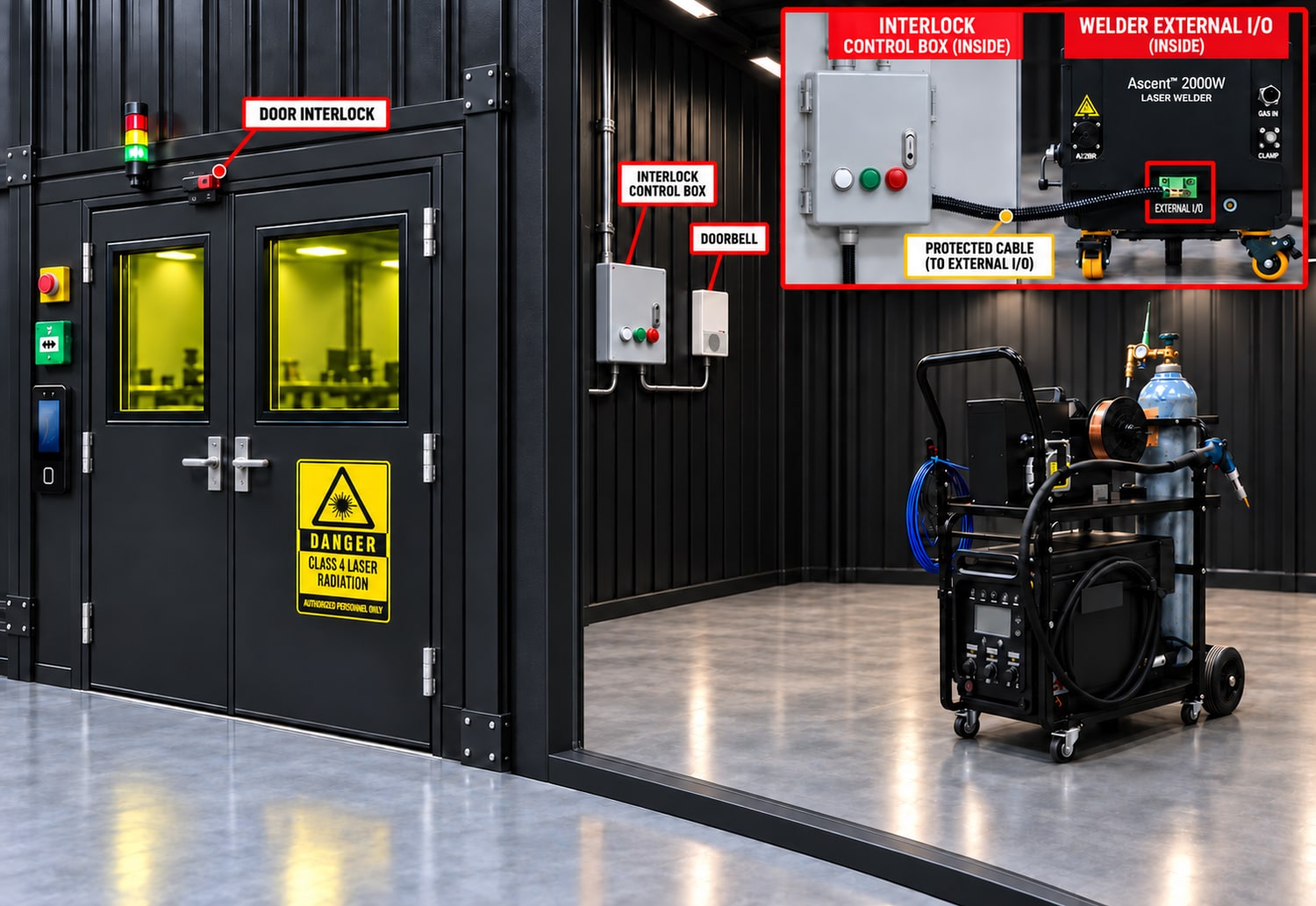
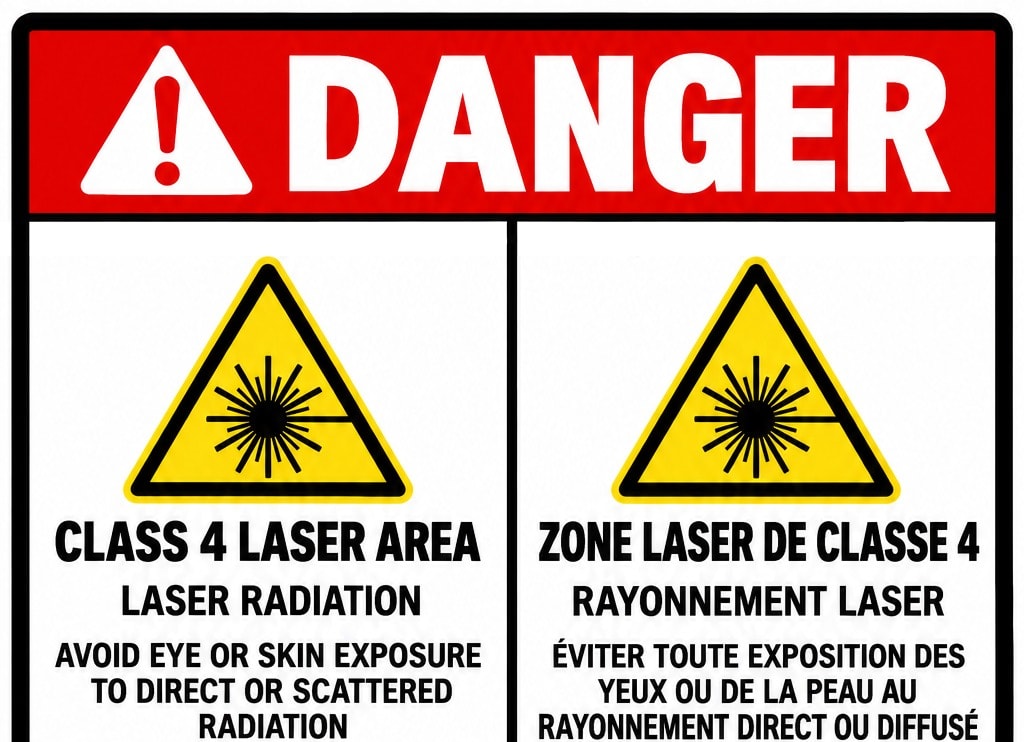
All of them are Class 4 lasers, so plan for enclosure, fume extraction and laser eyewear. See our laser safety page.

The bottom line

The question is not which laser is better. It is which one fits the material on your table. For acrylic, wood and other nonmetals, choose CO₂. For metal, choose fiber. If you cut both, consider a machine with both lasers. Installation and operator training at your facility are included in the price of every Ascent cutter. Contact us to work out the configuration that fits your work.
← All articles
More from Ascent Lasers Pro

Related articles

How to Select a Handheld Laser Cleaning System
How to buy a handheld laser cleaner: describe the job, test on your own parts, look past the wattage, plan fume extraction and compare cost per square foot.
How Laser Technology Empowers Fabricators and Entry-Level Workers
Laser welders let entry-level workers do professional work on routine jobs. What they learn fast, what still takes skill, and what a shop can save.
Buying a Handheld Laser Welder: A Practical Checklist
Cooling, power, wire feeder, wobble head, torch weight, safety and warranty: the points that decide which handheld fiber laser welder fits your shop.
Your First Laser Welder: The Questions That Matter
Material, wattage, handheld or tabletop, pulsed or continuous, cooling, safety gear and quote terms: how to pick a first laser welder without overspending.
Inside the Ascent 2000W Handheld Fiber Laser Welder
What the Ascent 2000W handheld fiber laser welder brings to a shop: refrigerant cooling, a high-speed wobble head, a light torch and a complete kit.
How the Ascent 2000W Refrigeration Laser Welder Compares
The Ascent 2000W refrigeration laser welder next to typical air- and water-cooled handheld welders: cooling, duty cycle, torch weight, running cost and support.
Winning Over a Skeptical MIG or TIG Welder
How to get an experienced MIG or TIG welder to give laser welding a fair try: aluminum, the daily workflow, labor math, safety questions and a test weld.
Up to 4x Faster: What a 2000W Handheld Fiber Laser Welder Offers
Handheld fiber laser welders can travel up to 4x faster than traditional welding. Cooling, torch weight, included gear and what a 2000W machine can weld.
Laser Welding and the Cost of Aluminum Welding Labor
Skilled aluminum TIG welders are expensive and hard to hire. How training a production worker on a laser welder changes the labor math, with wage data.
Fit-Up and Gap Control in Laser Welding
A gap in a laser weld joint is a path for the beam. Fit-up tolerances, joint types, fixturing, copper backing bars and what to do when a gap stays open.
Setting Up a Laser Welding Workstation, Step by Step
Where to put a handheld laser welding station and how to lay it out: table height, safety zone, fume extraction, cables, fixtures and a daily checklist.
Is QCW Safer? Pulsed vs. Continuous Tabletop Laser Welding
QCW pulses put less heat into thin aluminum and stainless than CW, but both are Class 4 lasers. What a CCD camera and an enclosure really add to safety.
QCW Tabletop or 2000W Handheld: Which Laser Welder Fits Your Shop?
The Ascent QCW tabletop and handheld welder versus the 2000W handheld: typical work, heat input, speed, and which kind of shop should buy which.
Mold Repair Lasers Compared: QCW Fiber, Pulsed Nd:YAG and Continuous Fiber
QCW fiber, pulsed Nd:YAG and continuous fiber (CW) lasers for mold repair: beam quality, efficiency, peak power on reflective metals, filler wire and heat.
Which Materials Actually Stop a 1070nm Fiber Laser Beam?
Ordinary welding curtains don't stop a 1070nm fiber laser. Which absorbing and reflecting materials work as backing, barriers and beam stops, and which fail.
Consumables for a Dual-Gantry CO₂ and Fiber Laser Cutter
Which parts wear out on the CO₂ and fiber sides of a dual-gantry laser cutter, how often to replace them, what spares to stock and how to budget for them.
CNC Router, CO₂ Laser or Fiber Laser: Choosing by Material
CNC router, CO₂ laser or fiber laser? A material-by-material look at what each machine handles, and where a dual-gantry CO₂ and fiber cutter fits.
How to Choose a Fiber Laser Cleaner: Pulsed vs. CW, Power and Cooling
Pulsed or continuous wave, low or high power, air or water cooling? What laser cleaners remove, the specs that matter, red flags and what to ask a supplier.
Class 4 Laser Regulations in Canada
Class 4 lasers in Canada: Health Canada product rules, bilingual labels, provincial workplace law, Alberta registration and what to ask for before you buy.
How Can a 300W Laser Cutter Improve Metal Fabrication?
How a 300W CO₂ laser cutter supports a metal fabrication shop by cutting acrylic templates, panels and prototypes while the metal machines stay on metal.
What Makes a CO2 Fiber Laser Machine Ideal for Manufacturers?
How a combination CO₂ and fiber laser machine helps manufacturers cut metals and nonmetals, and what to check before you buy.

Talk to a laser specialist about your welding or cutting job

Contact us