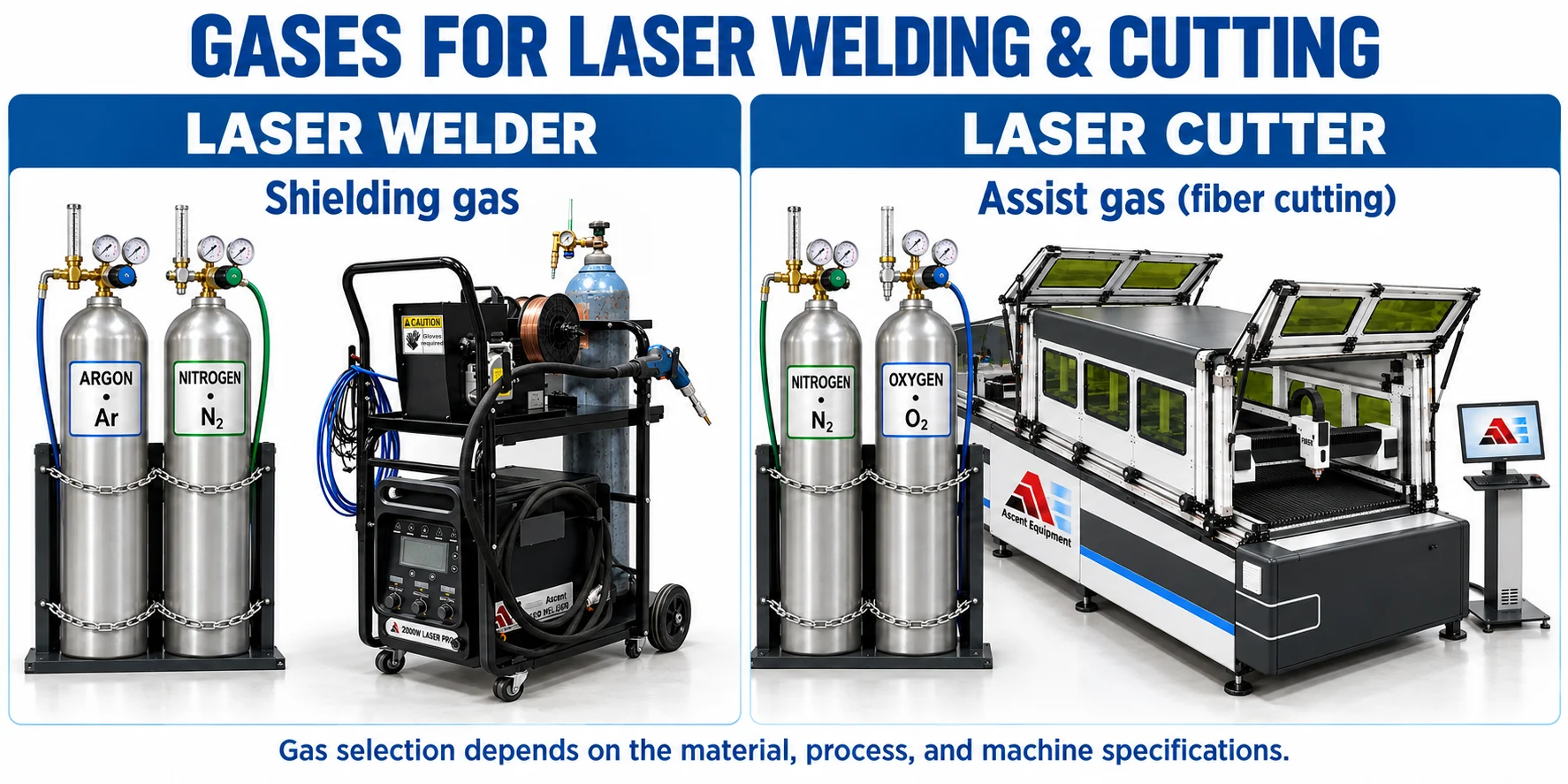
The gas you choose shows up in the weld or the cut, but picking the right cylinder is only part of the job. The machine also needs the specified purity, a suitable delivery system and a supply that holds steady while it runs. Start with the material, the finish you need and the procedure approved for the machine, and then compare what it costs to make a good part.
Shielding gas and assist gas do different jobs
In laser welding, shielding gas protects the hot weld from the air around it. In laser cutting, assist gas blows the molten metal out of the cut and affects the chemistry and look of the edge. Oxygen reacts with steel and adds heat to the cut. Nitrogen only clears the melt, so the laser supplies all the cutting energy; this is called fusion cutting. [1]
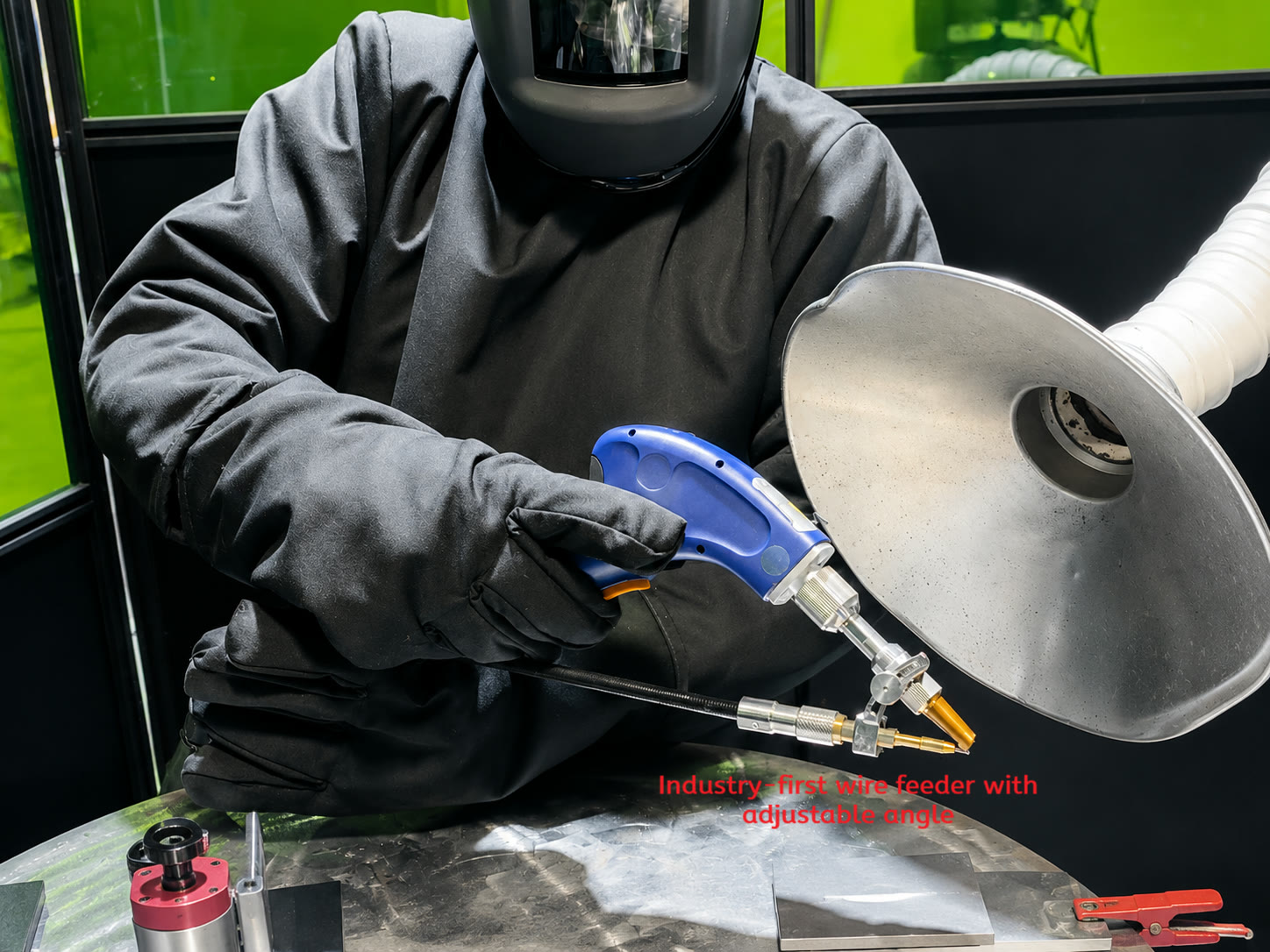
A gas that works for cutting isn't automatically right for welding. Don't carry a MIG or TIG gas mix, a cutting-gas setting or another machine's recipe over to a handheld laser welder without approval. Follow the instructions for the actual laser, alloy and process.
Shielding gas for laser welding
| Gas | Where it fits | What to confirm |
|---|---|---|
| Argon | The standard gas for welding aluminum on the Ascent handheld and QCW welders, and the most common laser shielding gas in general. [2, 3] | The alloy, the gas grade, how it's delivered and the weld properties you need. |
| Nitrogen | Used in some laser welding procedures for steels, including stainless steel. [2, 3] | That it suits the exact alloy and your mechanical, appearance and corrosion requirements. |
| Helium or mixtures | Used for selected laser processes. Helium and helium-argon mixes are also an option on aluminum. [2] | Use a validated recipe only, and check availability and total cost before switching. |
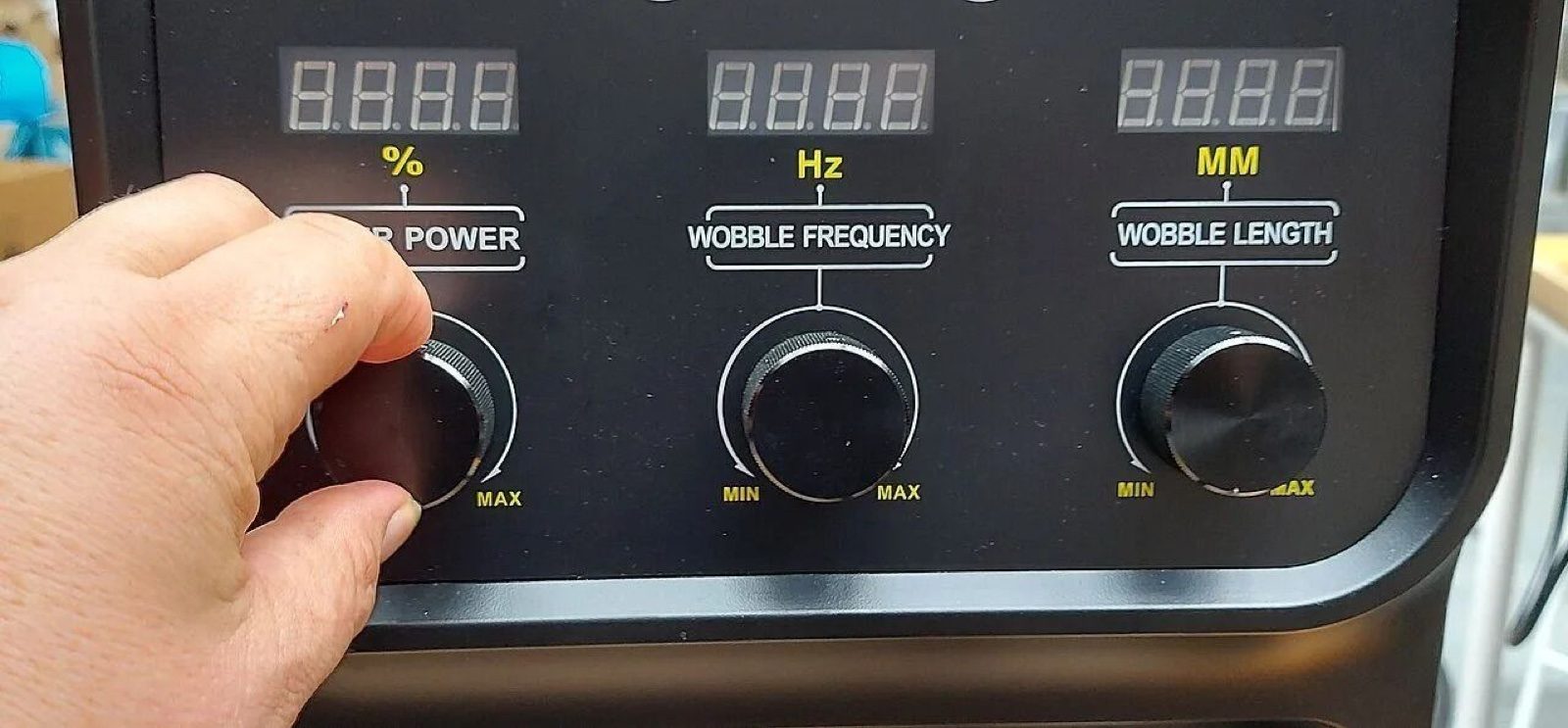
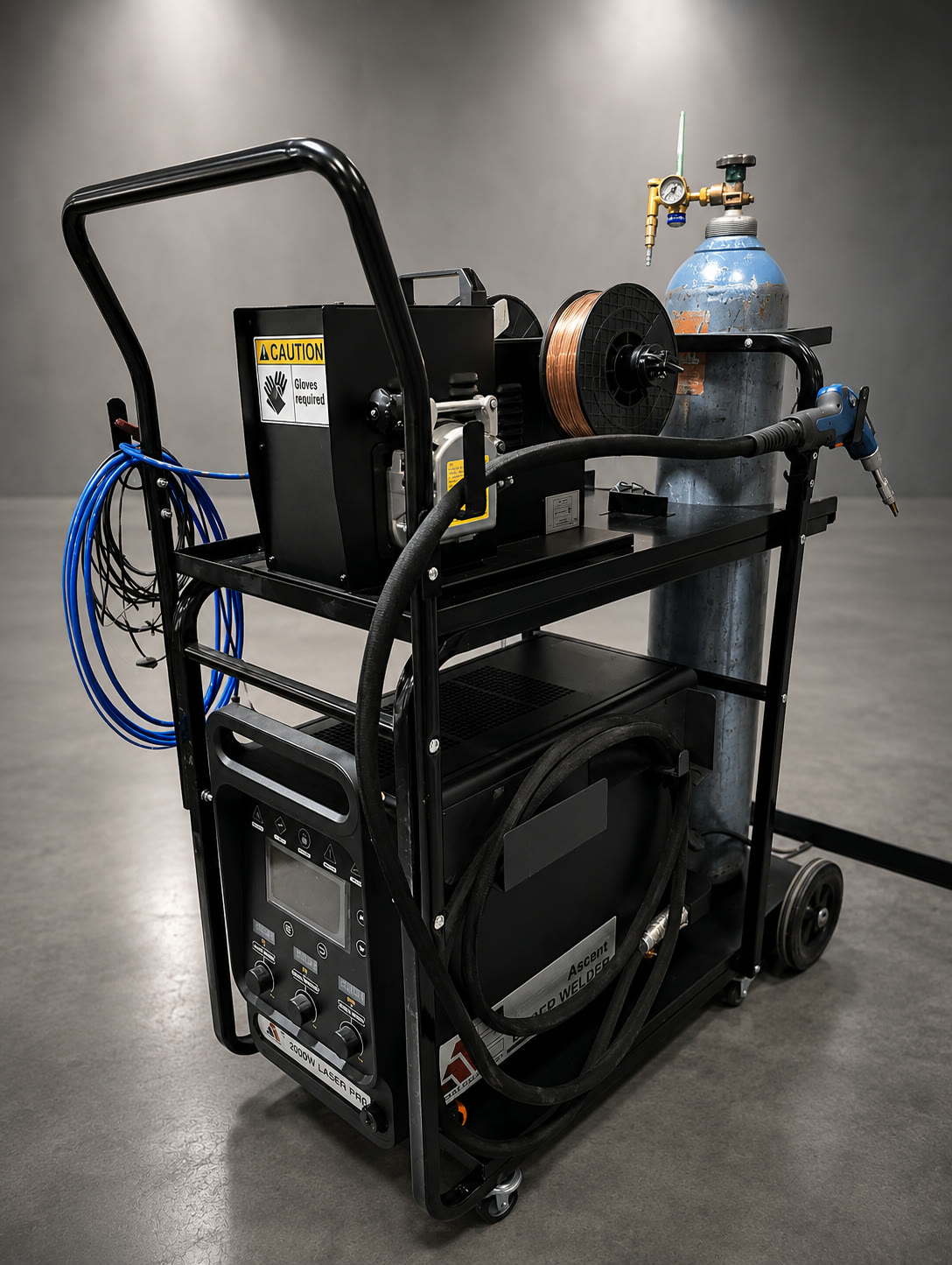
Every Ascent laser ships with a gas regulator, so you set the flow for the material you weld. Treat the table as a starting point for a conversation, not an approved setting for every machine. Ask us to confirm the gas for your model and material. For critical work, agree on the inspection and the procedure qualification with the welding professional responsible for it.
Protecting the weld takes more than the right gas
The gas has to cover the whole weld area along the entire joint. Confirm the approved nozzle, torch position, gas timing and flow for the job. Where the back of the weld also needs protection, decide whether you need a separate purge or a backing arrangement. Titanium is the strictest case: high-purity argon, a trailing shield over the hot weld, argon on the back side wherever the underside gets hot, and a clean, dry joint.
During a trial, keep the part preparation, the fixture and the extraction the same. Change one approved variable at a time and write down the result. A clean-looking bead doesn't prove penetration, strength or that the part is fit for service, so check the finished weld against its real acceptance requirements.
Assist gas for laser cutting
| Gas or supply | Typical role | What to weigh |
|---|---|---|
| Oxygen | Reactive cutting, mainly of carbon steel. The reaction adds heat to the cut. [1] | It leaves an oxidized edge. Check whether welding, painting or finishing afterward needs the edge treated first. |
| Nitrogen | Fusion cutting where you want a clean, bright edge, such as on stainless steel and aluminum. [1, 4] | Check that your system can deliver the specified purity, pressure and volume for the whole cut, and count the supply cost. |
| Compressed air | Aluminum, on suitable configurations of the Ascent fiber laser cutter. An air compressor is an option for that cutter. [4] | It isn't the same as pure nitrogen. Confirm the materials and edge finish you can accept, and the drying, filtering and capacity the air supply needs. |
On the Ascent fiber laser cutter, the CNC program picks the gas and sets its pressure. Oxygen and compressed air can be set from 2.17 to 87 PSI (0.15 to 6 bar) and nitrogen from 2.17 to 362 PSI (0.15 to 25 bar), and the cutter controls oxygen flow and oxygen pressure separately. [4] The cutting charts for the Ascent dual-gantry cutter are based on liquid oxygen of 99.6% purity and liquid nitrogen of 99.995% purity, as a reference.
The name "CO2 laser" describes the laser source. It doesn't mean you need bottled carbon dioxide. CO2 cutters for acrylic, wood and other nonmetals use air: the 130W cutter comes with an air pump, the 280W uses its air pump for acrylic and an air compressor for MDF and wood, and the CO2 side of the dual gantry runs on an oil-free air compressor. Follow the machine's settings for each material, not a gas chart for cutting metal.
Choose the gas for what happens next
Decide what happens to the part after cutting: assembly right away, welding, painting, polishing or something else. Agree on the edge condition you can accept before you compare gases, and then run sample parts through that next step, not just across the laser table.
Size the supply for what the machine draws
Ask the equipment supplier for a written gas schedule: the approved gas, the minimum purity, the limits for moisture and contamination, the inlet pressure, the delivery capacity and the connection details. Welding flow and cutting pressure are different specifications, and you can't pick either one from the laser's wattage.
Have your gas supplier match the regulator, piping, hoses and any manifold to the machine's peak demand. The pressure in a full cylinder doesn't prove the machine will get what it needs while it runs. Ask how the supply behaves as cylinders empty, or when several machines share it.
Compare cylinders, cylinder bundles, bulk supply and on-site generation against the way you actually produce. Count the equipment, maintenance, a backup supply and the gas quality you need. For air cutting, include the compressor, dryer and filters and their upkeep; shop air isn't free.
Work out gas cost per accepted part
Run a measured job instead of comparing cylinder prices. Record the gas used for a known batch, the parts accepted and rejected, the processing time and any extra finishing. Keep the material, the drawing and the quality you need the same between runs, so the comparison is fair.
The formula is simple: gas cost per accepted part = total gas cost for the batch ÷ accepted parts.
For example, a batch uses $30 of gas and gives 100 accepted parts, so gas costs $0.30 per part. If only 80 parts pass, it's $0.375. These figures are an illustration, not Ascent pricing or a prediction of what a machine will use.
For the full picture, add supply rental or equipment, electricity, labor, consumables, rework and finishing. A cheaper gas can cost you more if it raises rejects or adds work later on, and a pricier gas isn't worth it unless the trial shows a measured improvement.
When results change, check the whole process
- Discolored or porous welds: check the gas and how it's delivered, then the surface condition, fit-up, torch position and the approved procedure. Gas isn't always the cause.
- Dross or an uneven cut edge: log the gas supply while the machine is cutting, then have the operator or technician check the nozzle, optics, material and approved cutting settings.
- Higher gas use than expected: look at production time, how long the gas stays on, use while idle and possible leaks, using the supplier's approved inspection method.
Make gas handling part of the safety plan
Nitrogen, argon and helium can push the oxygen out of the air. An inert gas isn't safe to breathe. Include gas leaks, ventilation and any need for monitoring in the facility assessment. Oxygen is a different hazard: it feeds combustion and needs clean equipment rated for oxygen service. [5, 6]
Use labeled cylinders, secure them as required, and protect the valves and connections as the gas supplier instructs. Have trained people choose and install compatible regulators and fittings. Never connect a process gas to breathing-air equipment. Keep the safety data sheets on hand. [5, 6]
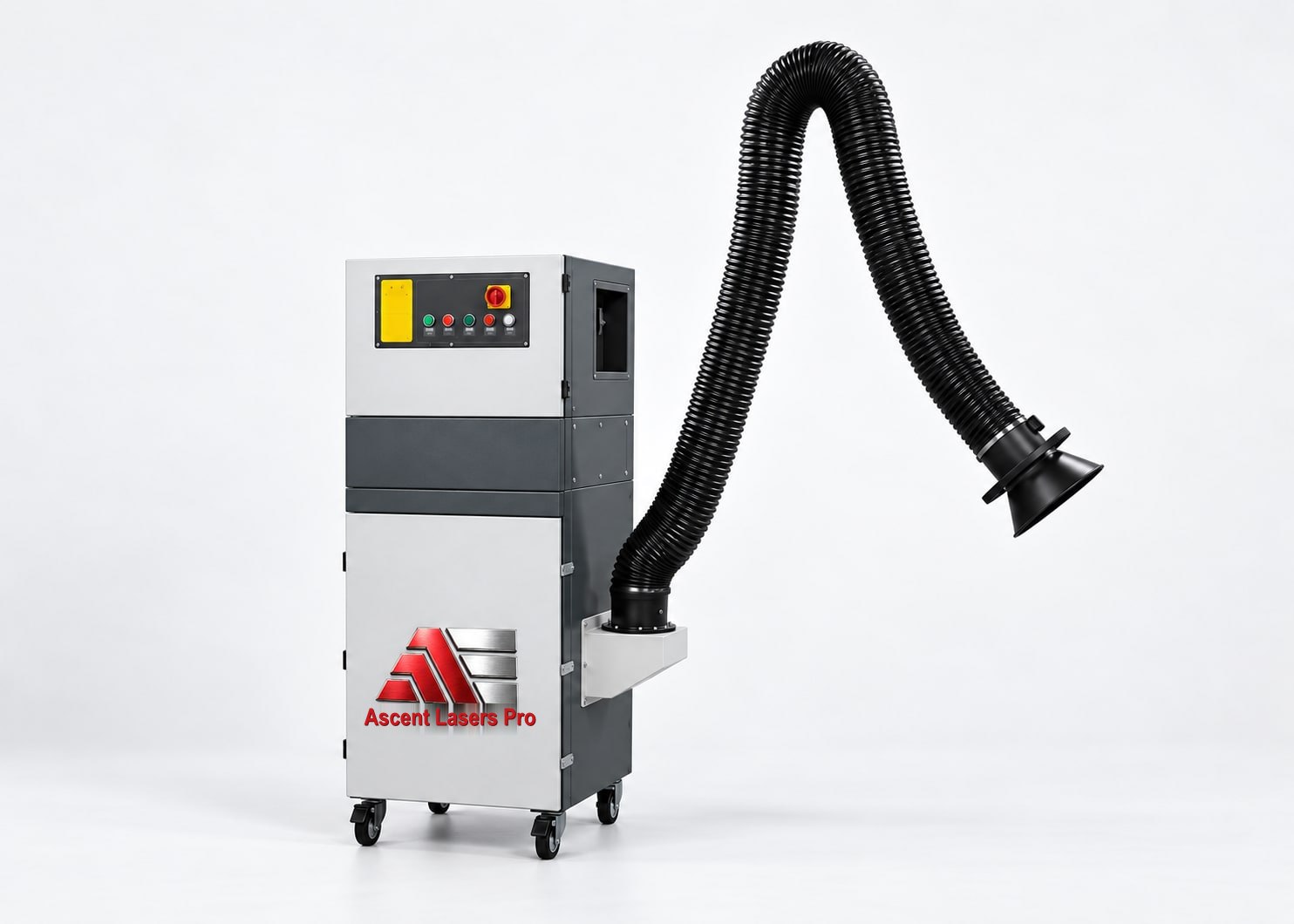
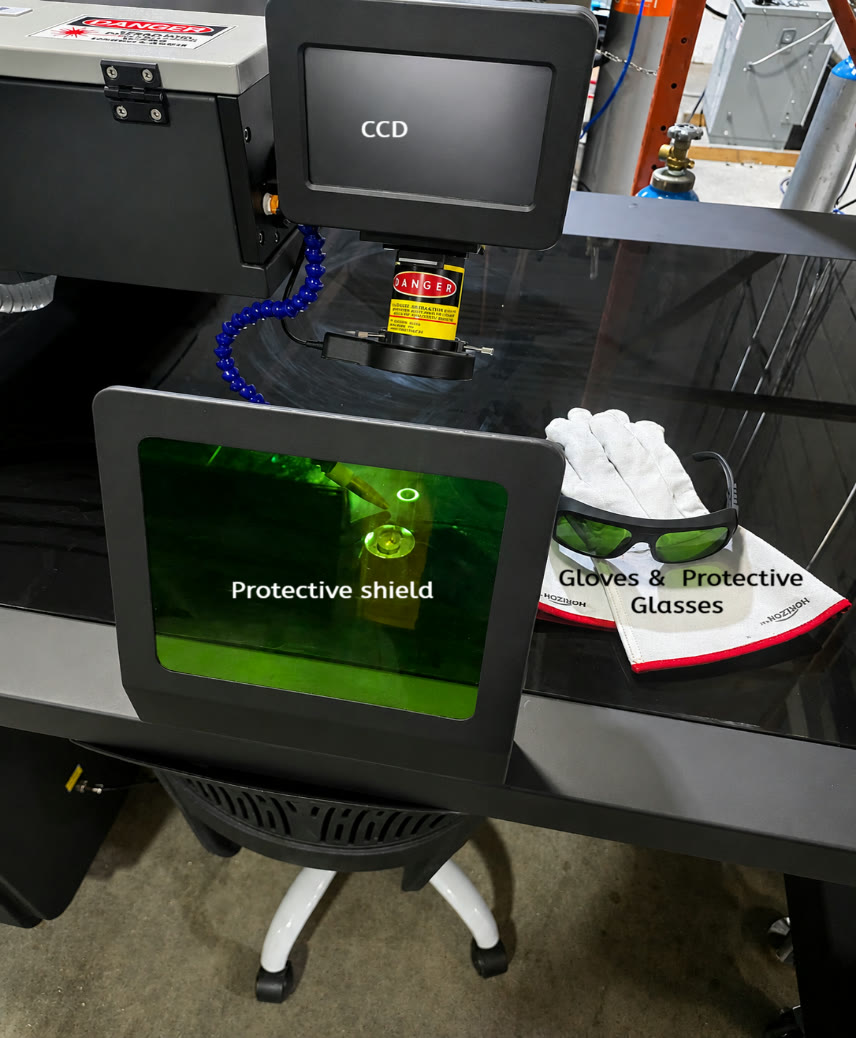
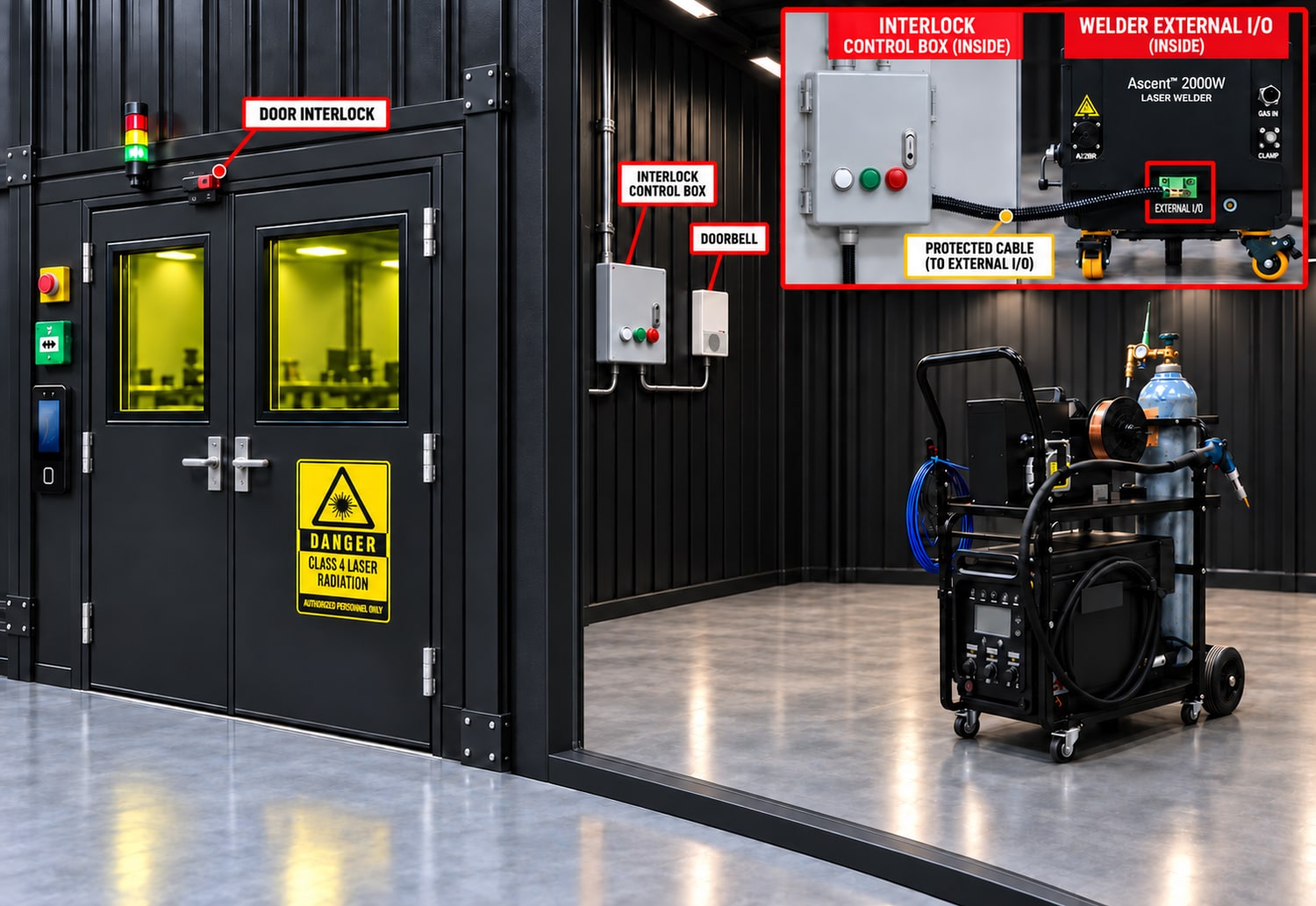
Process gas doesn't replace fume extraction, laser barriers, access control or the right protective equipment. Plan all of them for your actual installation, and follow the machine instructions and your local requirements.
What to send us before you order gas
- The machine model, and whether the job is welding, metal cutting or CO2 cutting of nonmetals.
- The material grade, thickness and coatings, and the finish or weld quality you need.
- Your expected operating hours and batch sizes, and any other equipment on the same supply.
- The gas source you have now, its regulator and piping, and any supply records.
- Sample parts, drawings and the inspection requirements for a trial.
We can help confirm the gas your machine needs and plan a trial on representative parts.
Email info@ascentlaserspro.com or call 1-800-927-5107 ext. 1008.
Sources
Checked October 15, 2026.
- TWI: Laser Cutting, Process Variants
- TWI: Laser welding automotive steel and aluminium (July 2000)
- Ascent Lasers Pro: handheld laser welder
- Ascent Lasers Pro: fiber laser cutter
- OSHA: Compressed Gas and Equipment, Standards
- OSHA Safety and Health Information Bulletin: Deaths Involving the Inadvertent Connection of Air-line Respirators to Inert Gas Supplies (2004)