Precision, productivity and new opportunities with Ascent Lasers Pro
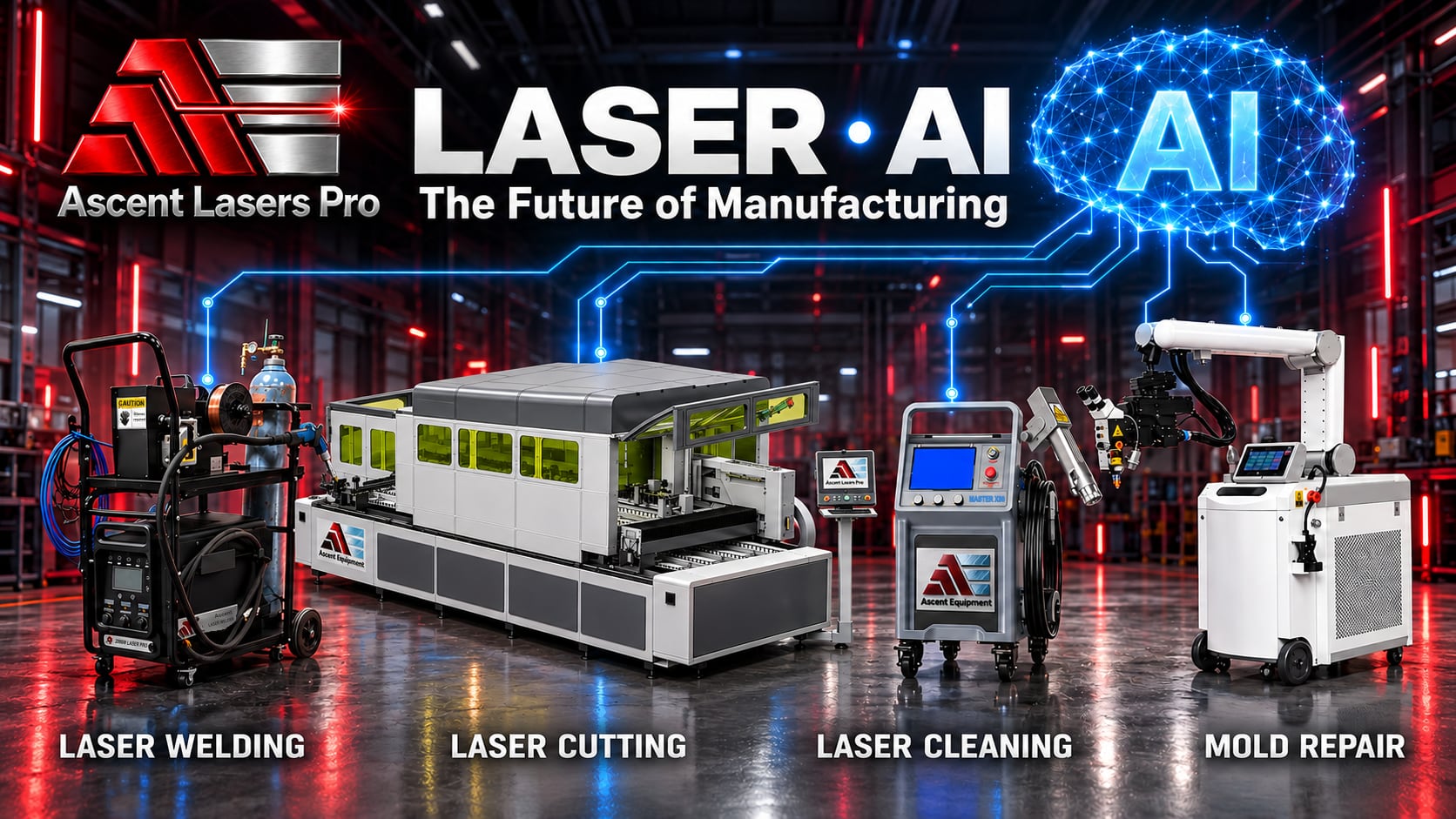
Lasers are changing how manufacturers and metal fabricators cut material, join parts, repair tooling and prepare surfaces. Jobs that used to need several machines and a lot of hand finishing can now run as one controlled process.
The gain is bigger than speed. A laser can make results more consistent, cut down on rework and make some fabrication jobs easier for new employees to learn. Ascent Lasers Pro supplies equipment for all four jobs: laser cutting, welding, cleaning and mold repair.
Laser cutting: from a digital drawing to a finished part
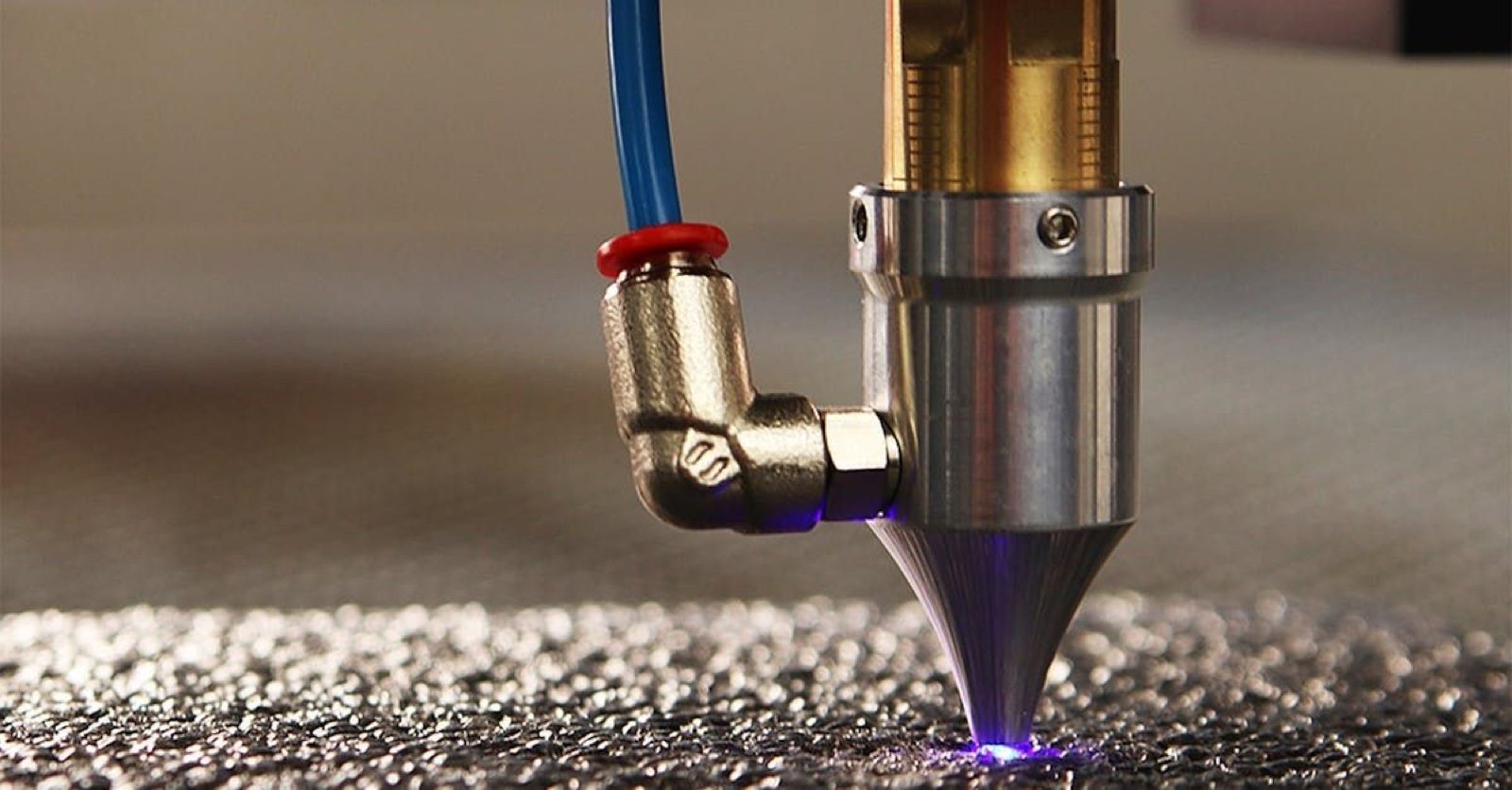
Laser cutting connects the design file straight to production. A CNC-controlled machine follows the programmed shapes, so a shop can make detailed parts and repeat the same design across many orders.
That covers everything from acrylic and wood pieces and decorative panels to metal enclosures and fabricated components. Manufacturers use it for custom parts, prototypes and production batches.
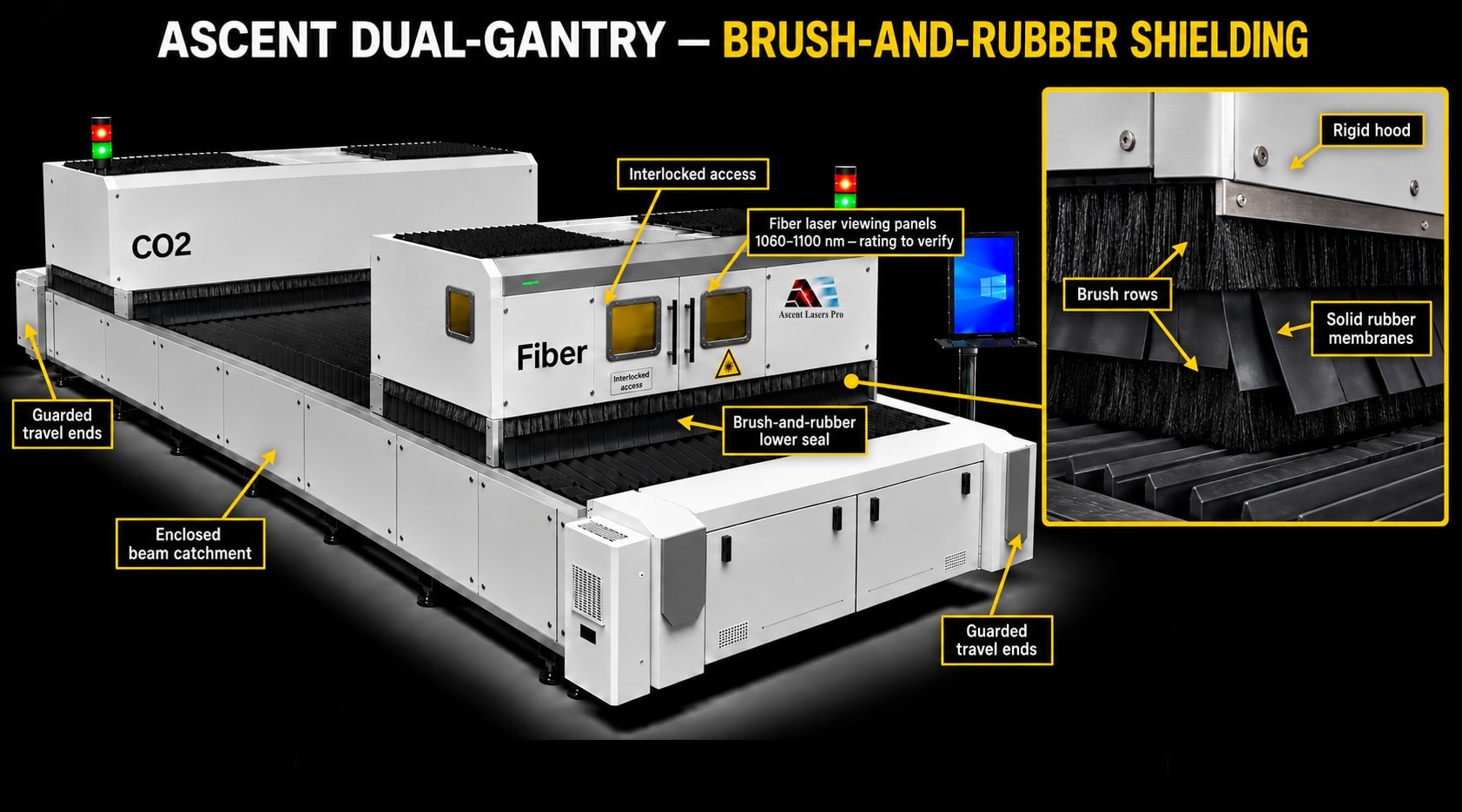
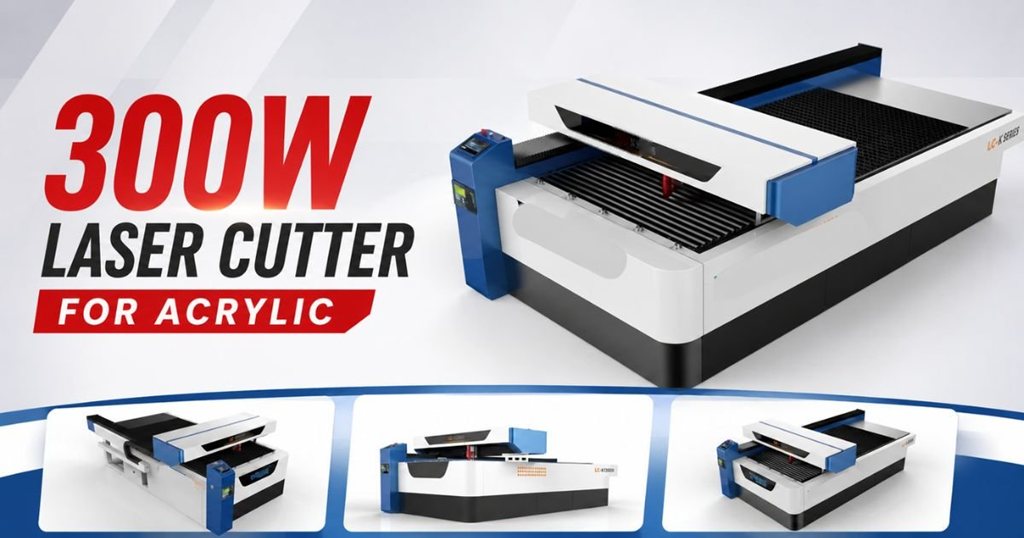
Different materials need different lasers. CO₂ lasers cut acrylic, wood and other suitable nonmetals, and fiber lasers cut metal. Ascent Lasers Pro sells both: CO₂ laser cutters from 130W to 280W, a fiber laser cutter for metal at 3000W or 4000W, and a combination machine with a 150W CO₂ laser and a 2000W fiber laser. There is also a dual-gantry cutter with separate CO₂ and fiber gantries that can cut two materials at once. For a shop that works with both metals and nonmetals, that gives the most flexibility.
The payoff comes from the whole workflow, not just the cut. Accurate parts go together more easily, need less correcting and let a company bring more of its fabrication in-house. Our guide to choosing CO₂ or fiber by material goes into the details.
Laser welding: faster assembly, less finishing
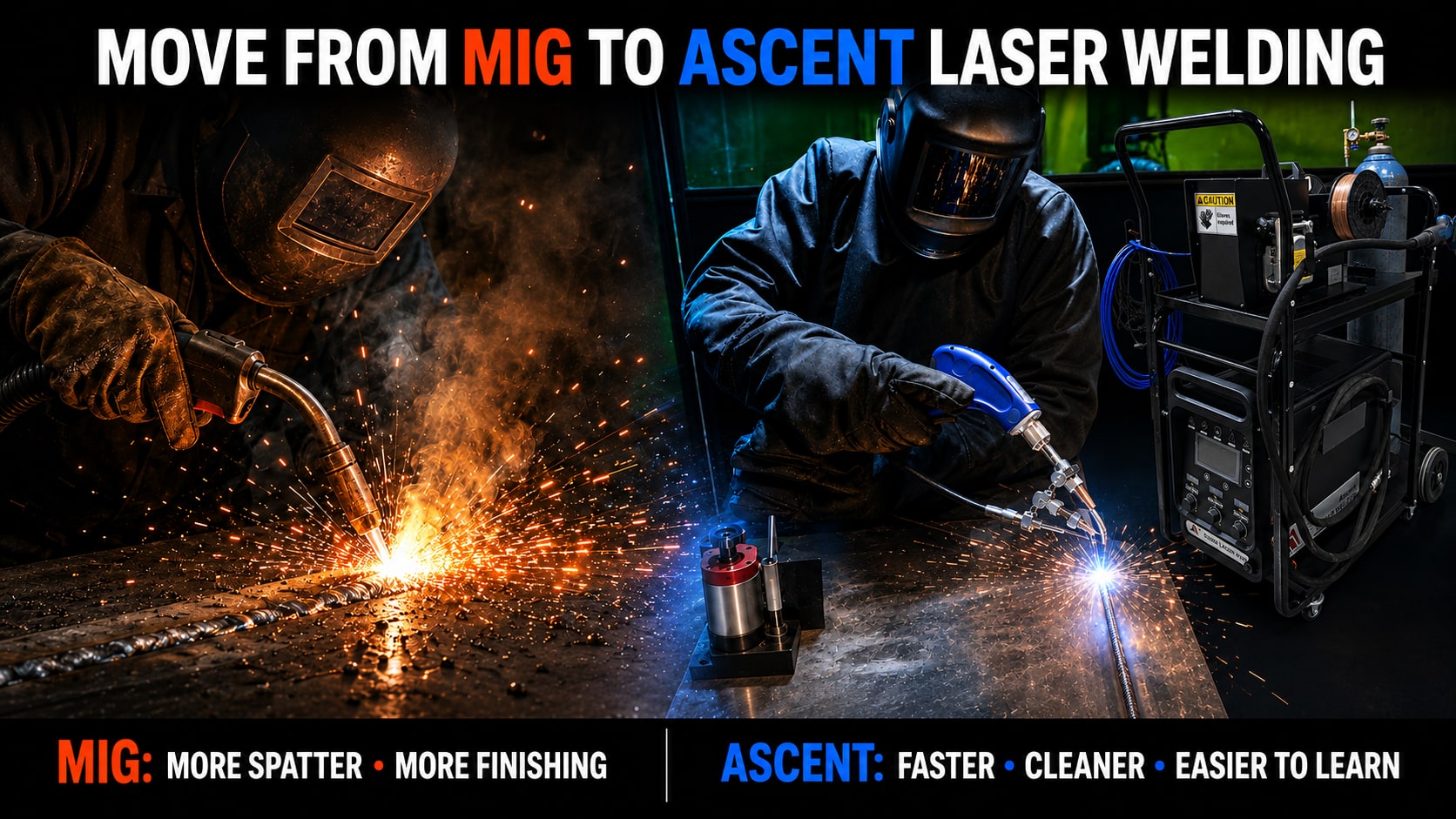
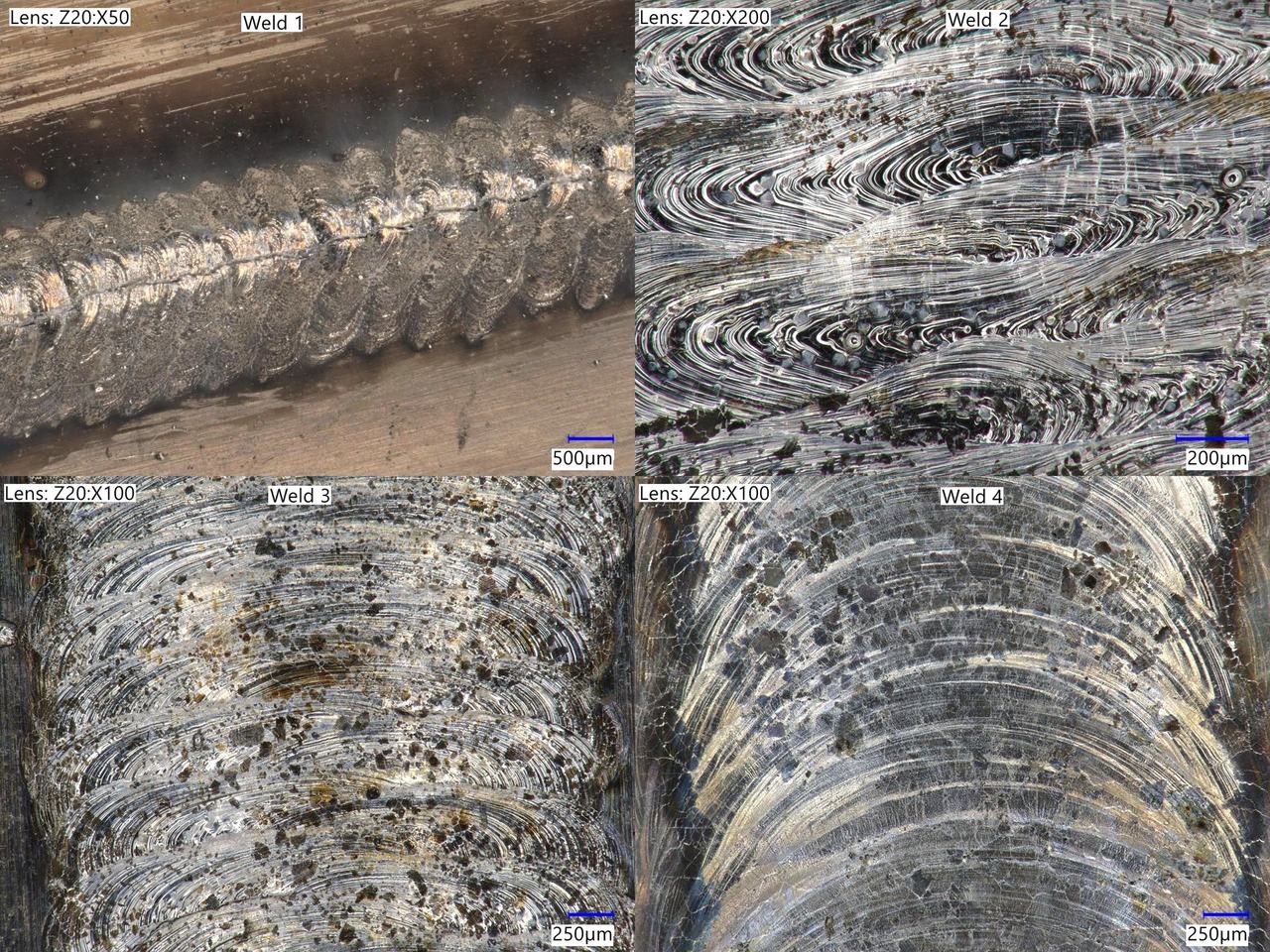
Welding is another place where lasers are changing everyday production. On suitable thin-sheet jobs, a laser weld leaves a narrow seam with less heat distortion and less cleanup than many conventional processes.
That matters most when appearance is part of the product. Aluminum enclosures, stainless steel assemblies, cabinets and decorative metalwork all benefit when parts keep their shape and need less grinding afterward.
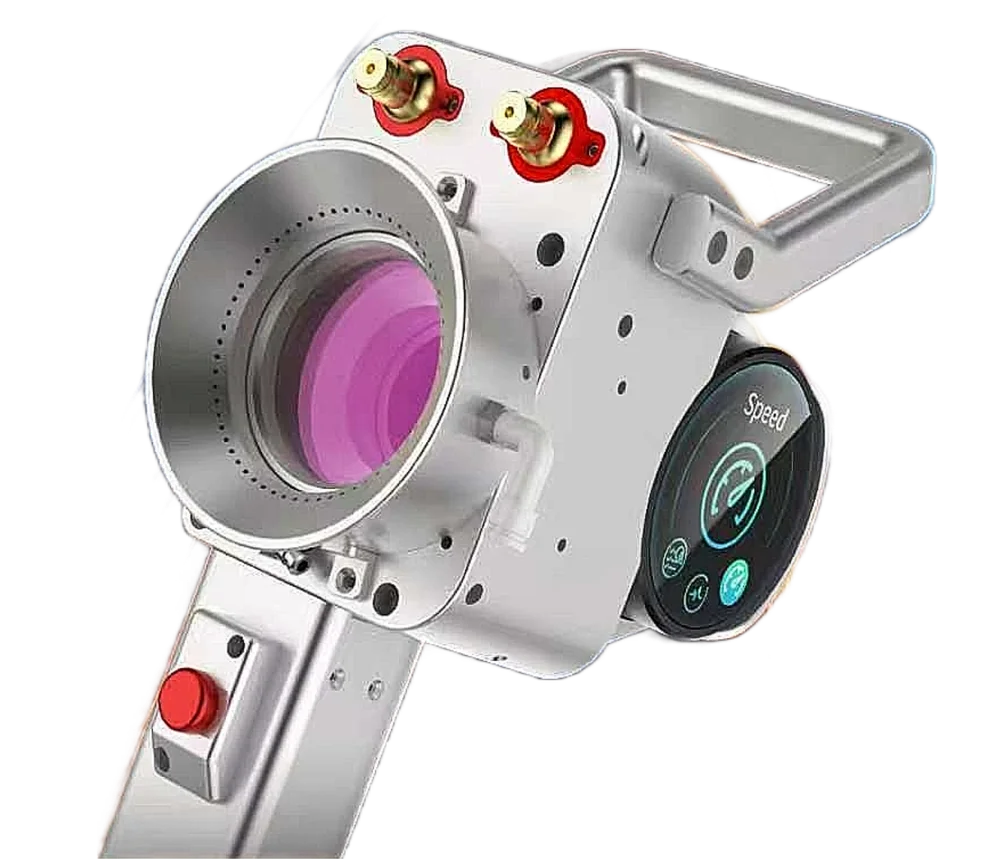
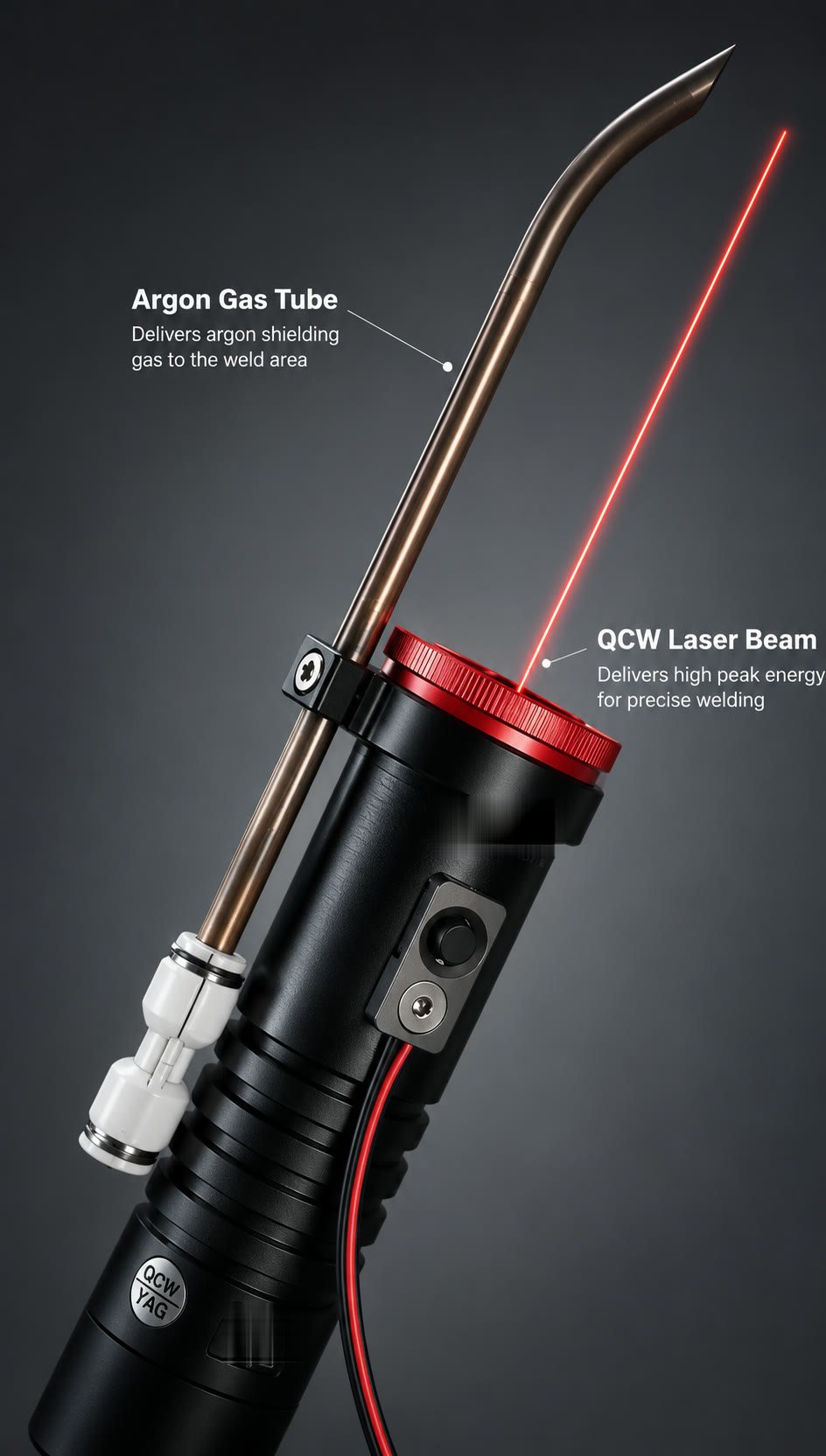
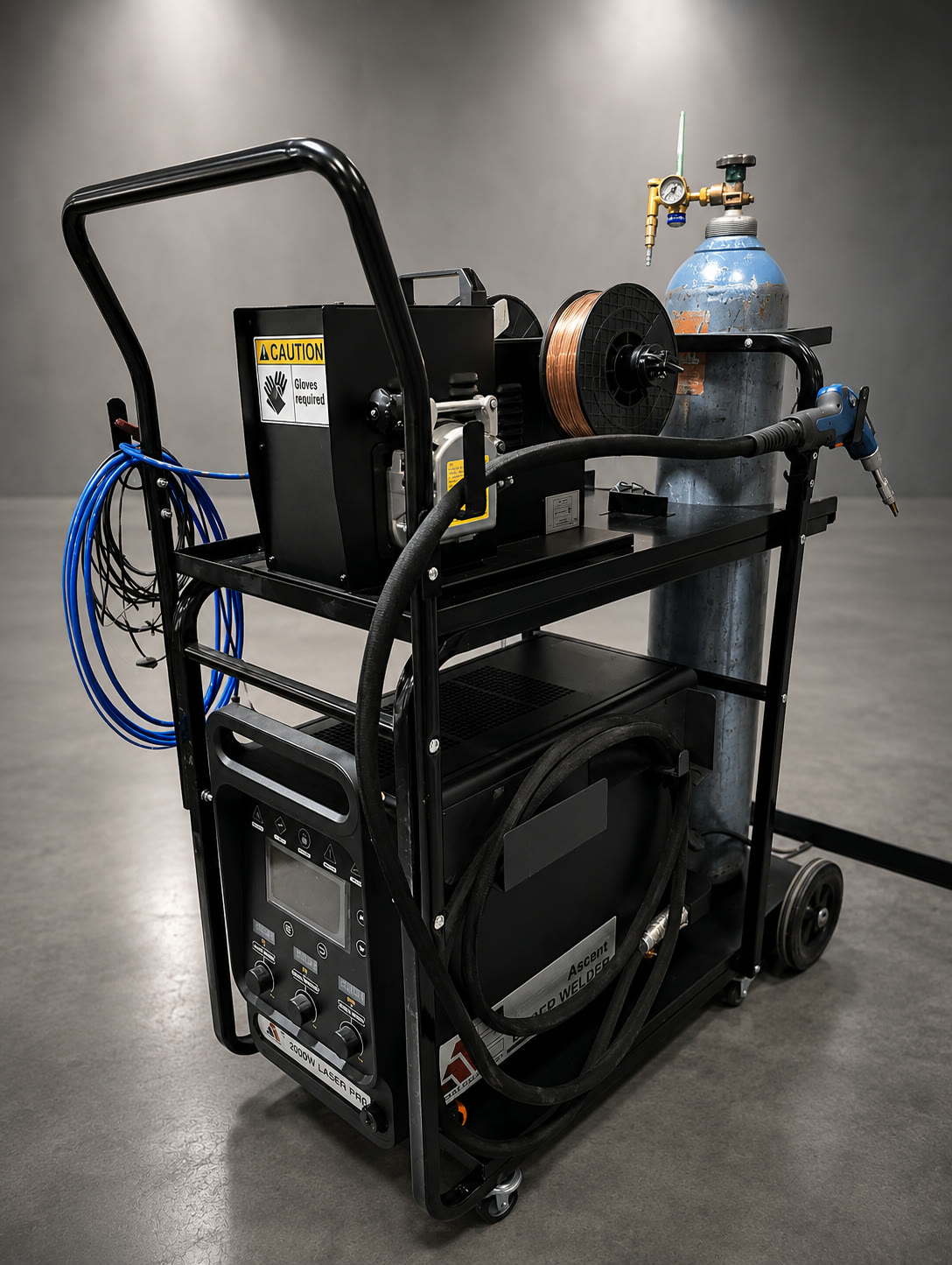
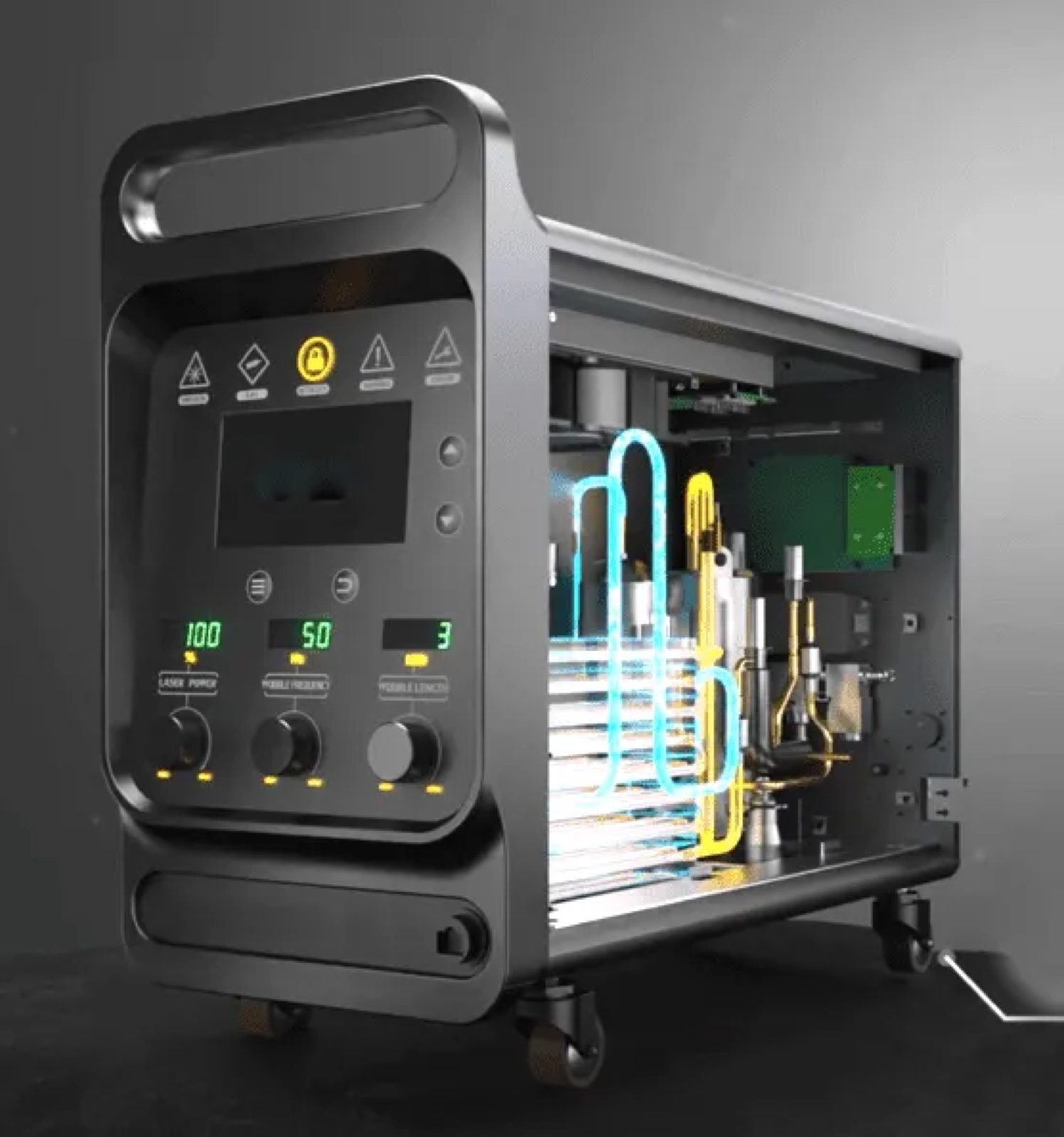
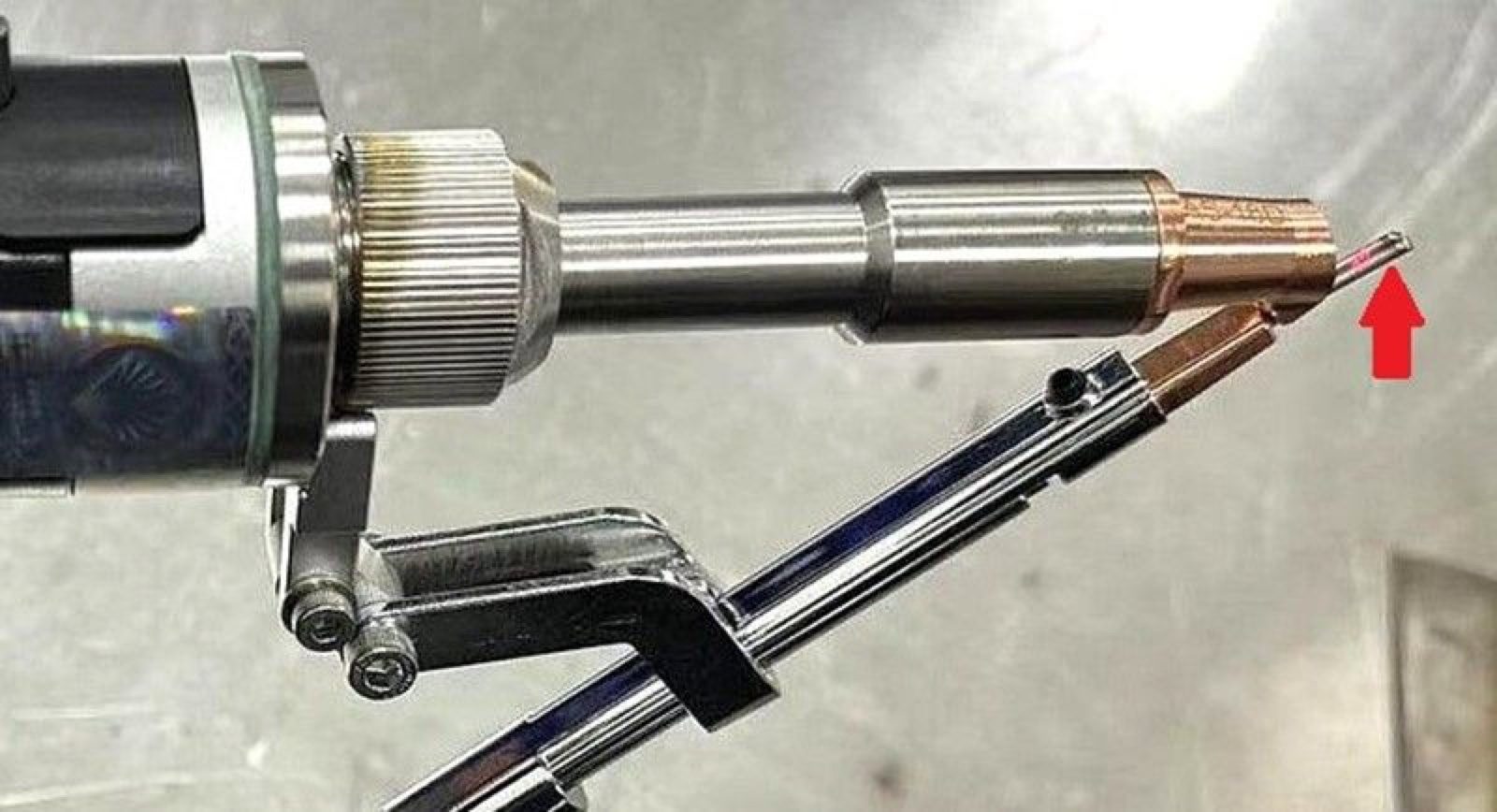
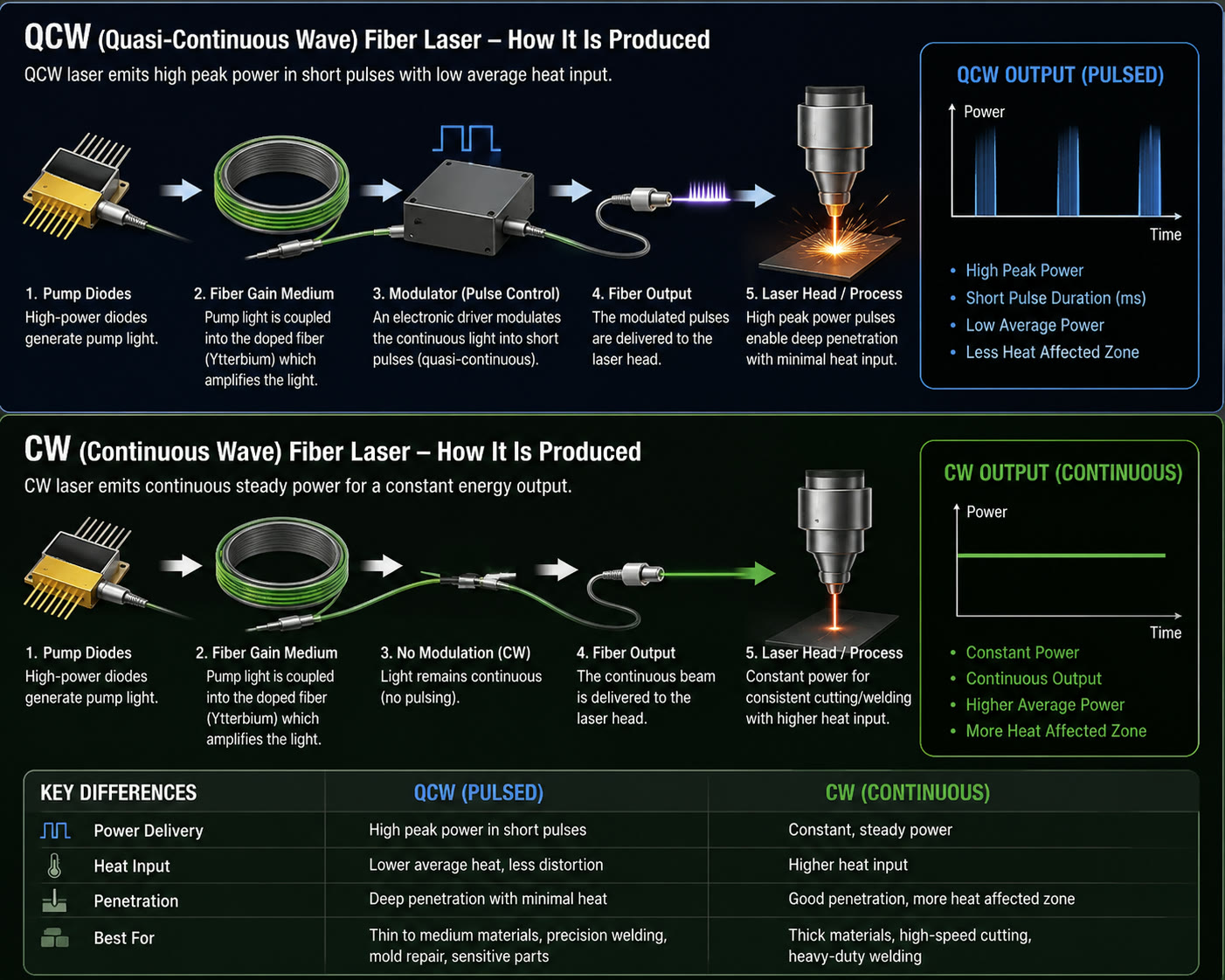
Ascent Lasers Pro sells handheld fiber laser welders for aluminum, stainless steel and carbon steel. The 2000W model is USD $28,000 and the 3000W is USD $34,000, including shipping, installation and training. For smaller, more precise work, the QCW laser welder works as a tabletop station or a handheld torch, at USD $28,500 including shipping, installation and training. The right system depends on material thickness, joint design, production volume and the finish you need.
Helping entry-level workers become productive
One of the most useful things laser welding does is make some welding jobs easier for new workers to take on.
TIG welding takes a lot of practice, because the welder has to coordinate torch movement, filler and heat all at once. With an established laser procedure, suitable fixtures and approved settings, a beginner can concentrate on following the joint and moving at a steady pace.
Ascent's introductory training on its handheld welders takes about three to four hours, and it can get an operator who is new to aluminum started on thin aluminum. That's a starting point. Working alone in production still takes demonstrated skill, safety training and checked weld quality.
For employers, it's a way to bring new staff along while experienced fabricators focus on complex assemblies, process development and quality control, so every employee gets more done. We cover this in more depth, with wage and time figures, in how laser technology empowers fabricators and entry-level workers.
Laser cleaning for surface preparation
Surface preparation usually means abrasive blasting, grinding or chemical stripping. Laser cleaning takes a different route: it aims energy at the unwanted layer on the surface.
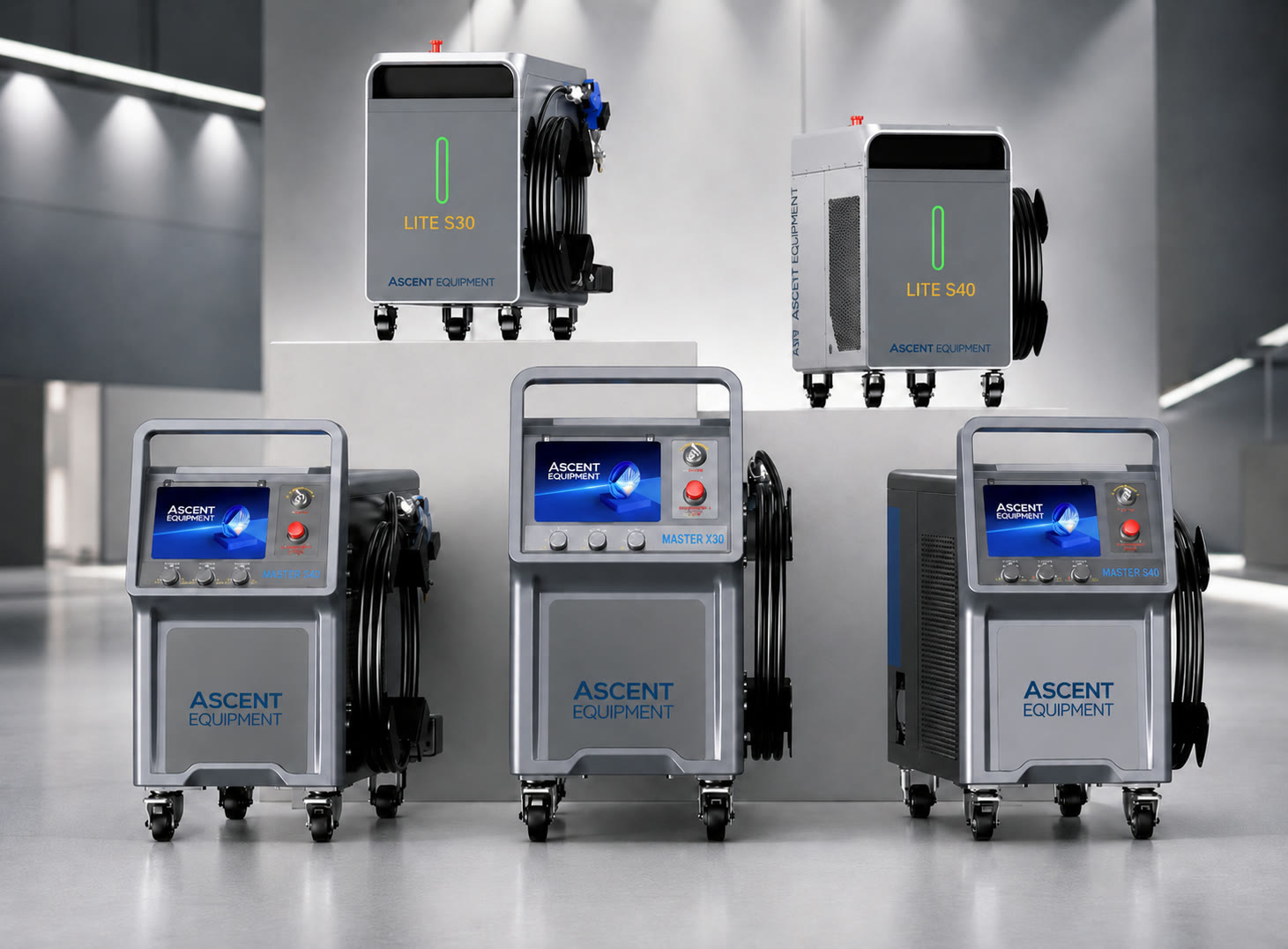
Ascent Lasers Pro sells pulsed and continuous wave laser cleaning machines for removing rust, paint, oxide and other contamination from suitable metal surfaces. Which one fits depends on the deposit, the material underneath and the result you need.
On the right jobs, laser cleaning cuts the need for blasting media and chemical strippers, and the operator can clean just the area that needs it instead of the whole part.
Results have to be proven by testing. A setting that strips a heavy coating quickly may be wrong for a delicate surface, and no laser cleaner guarantees damage-free results. The removed material also turns into airborne contaminants and residue that need proper extraction and handling. Ascent tests customers' parts before a sale, and our guide to selecting a handheld laser cleaning system explains what to look for.
Mold repair: getting value back through precision
A worn edge or damaged feature can stop production even when the rest of the mold is fine. Laser repair adds weld material to just that spot, so the feature can be finished back to its required dimensions.
In suitable cases, that extends tooling life and avoids buying a new mold. The repair method has to match the mold material, the damage and how the tool has to perform.
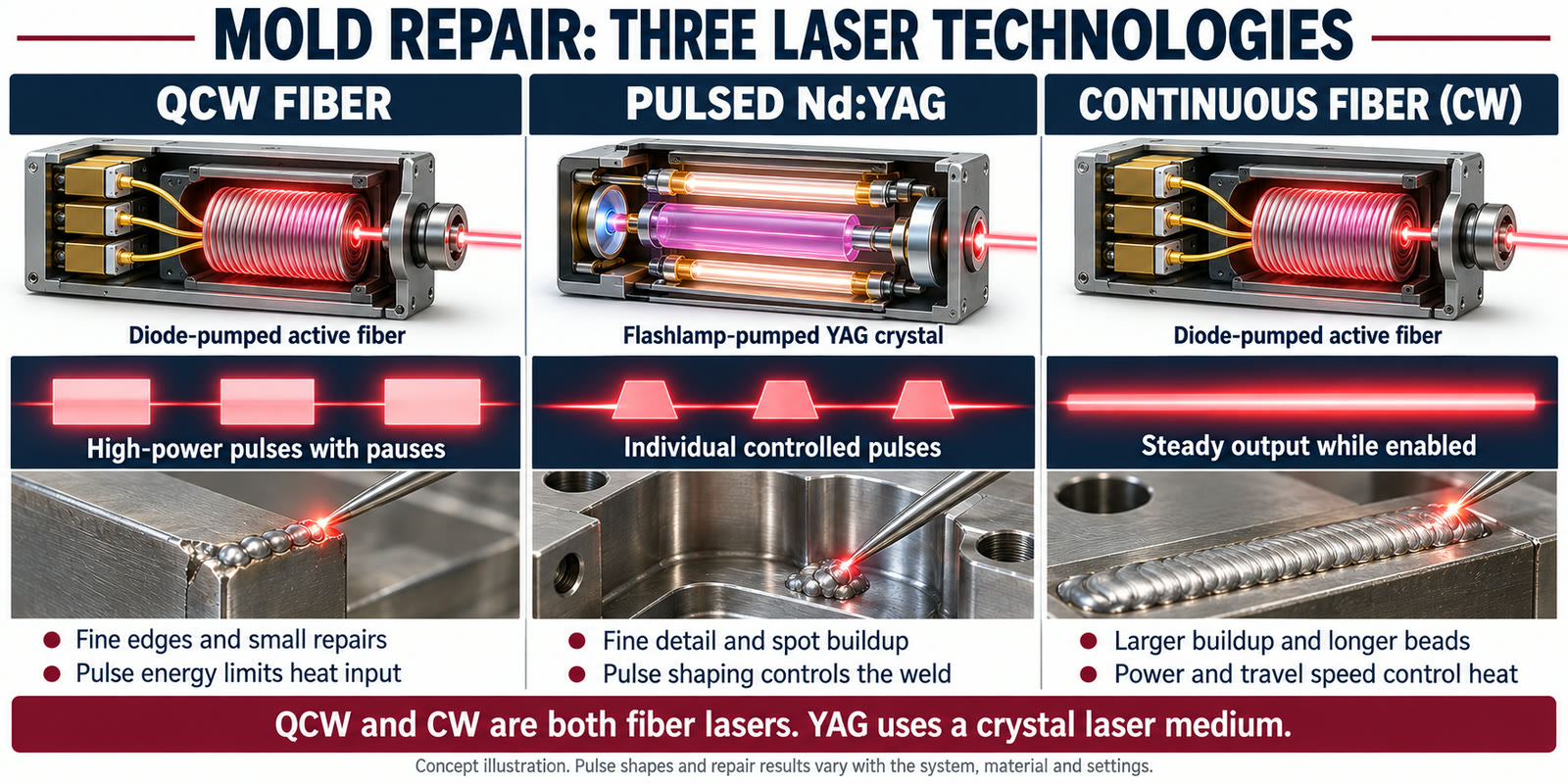
Ascent Lasers Pro offers mold repair systems with three kinds of laser source: 200W and 400W pulsed Nd:YAG, 150W and 300W QCW fiber, and 1500W and 3000W continuous wave fiber. That gives shops options from fine restoration to larger repairs, and the price depends on the source. Our comparison of YAG, QCW and continuous fiber for mold repair explains the differences.
Where the savings come from
The purchase price is only part of the investment. What matters is what happens to the cost of making each accepted part.
Savings can come from shorter processing times, fewer finishing steps, less rework, less outsourcing and better use of your people's hours. Faster production can also free up capacity for more orders without a bigger building or another shift.
Weigh those gains against the real operating costs: electricity, gases, consumables, maintenance, extraction and safety measures. Comparing representative jobs before and after installation tells you far more than a general speed claim, and testing your own parts before you buy gives you the first real numbers.
Installation, training and support
Getting value from a laser takes more than delivering a machine. Operators need to understand the settings, material preparation, maintenance and quality checks, and managers need a production process that makes good use of the equipment.
Every Ascent Lasers Pro machine comes with on-site installation and operator training, free software updates and lifetime remote technical support, with technicians in Buffalo, Toronto and Kentucky. That's what gets a shop from buying a machine to using it well every day.
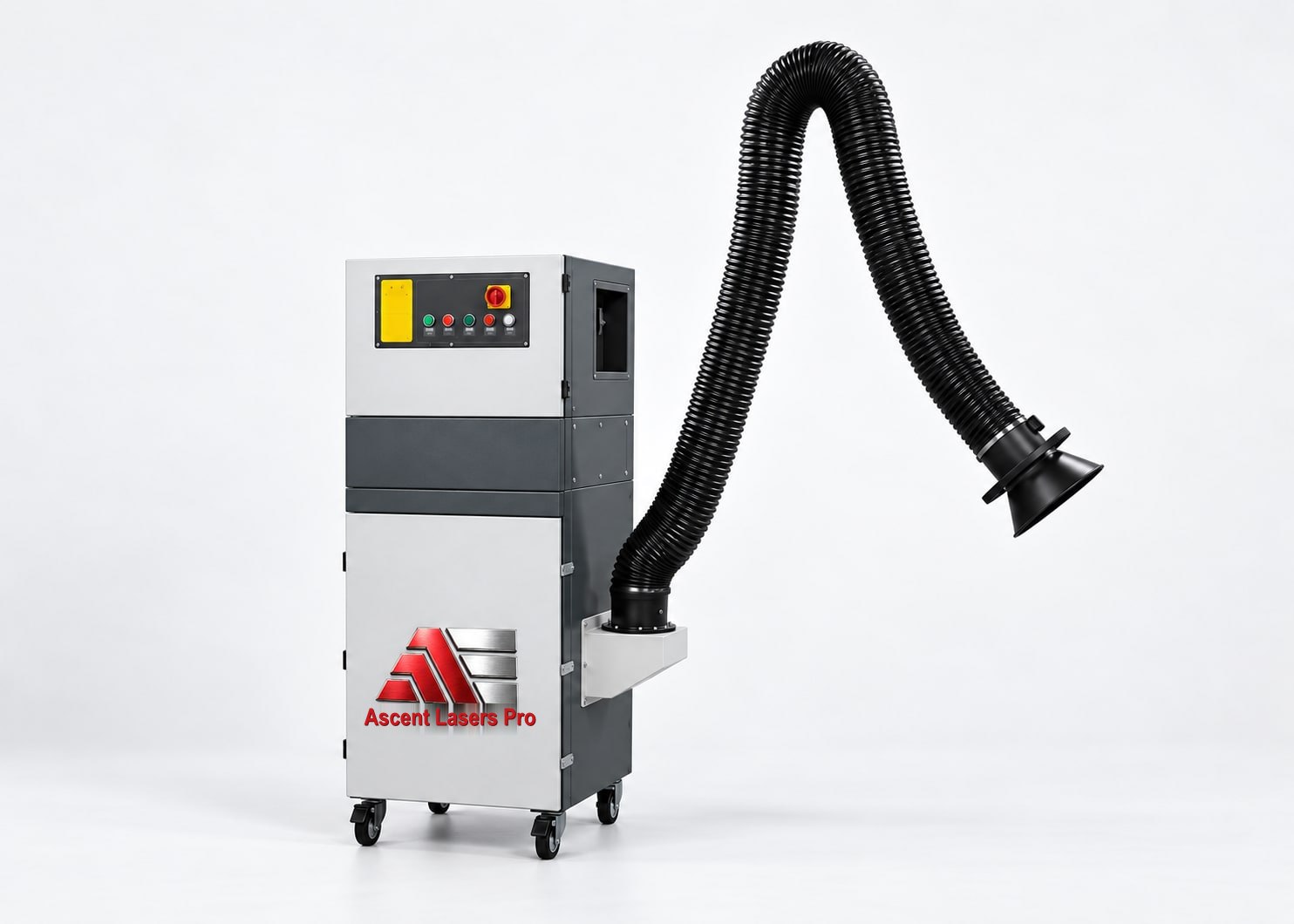
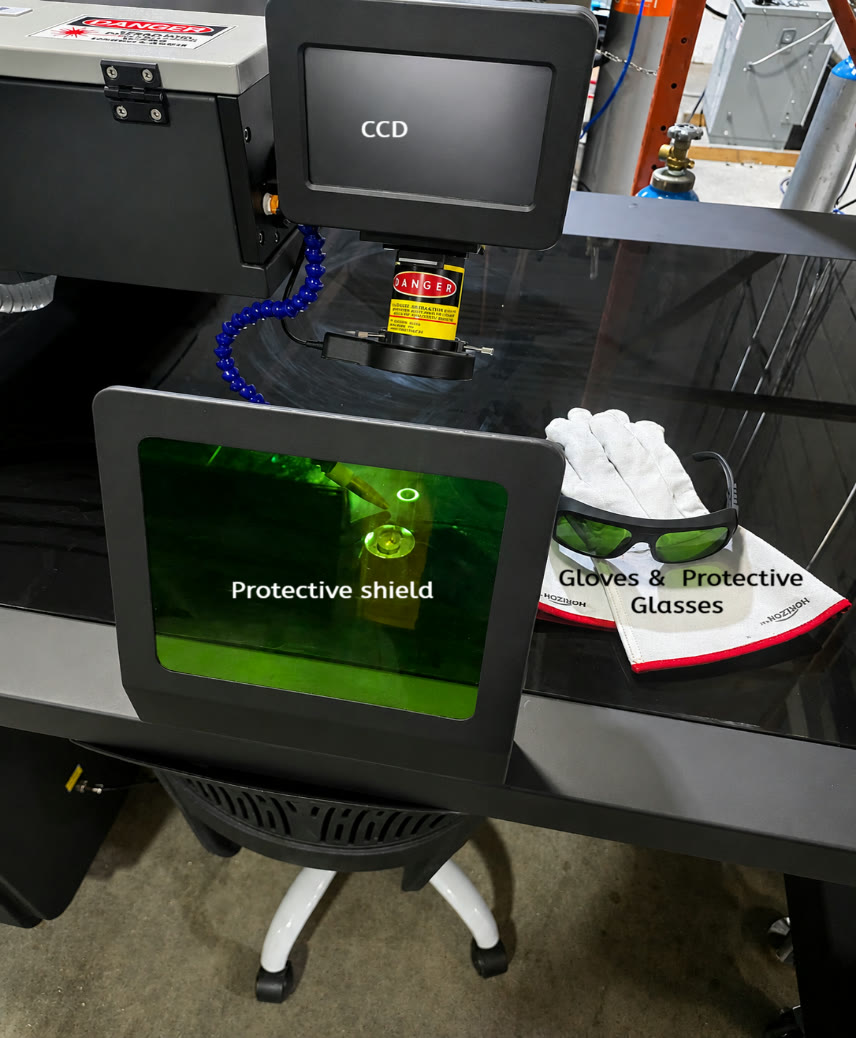
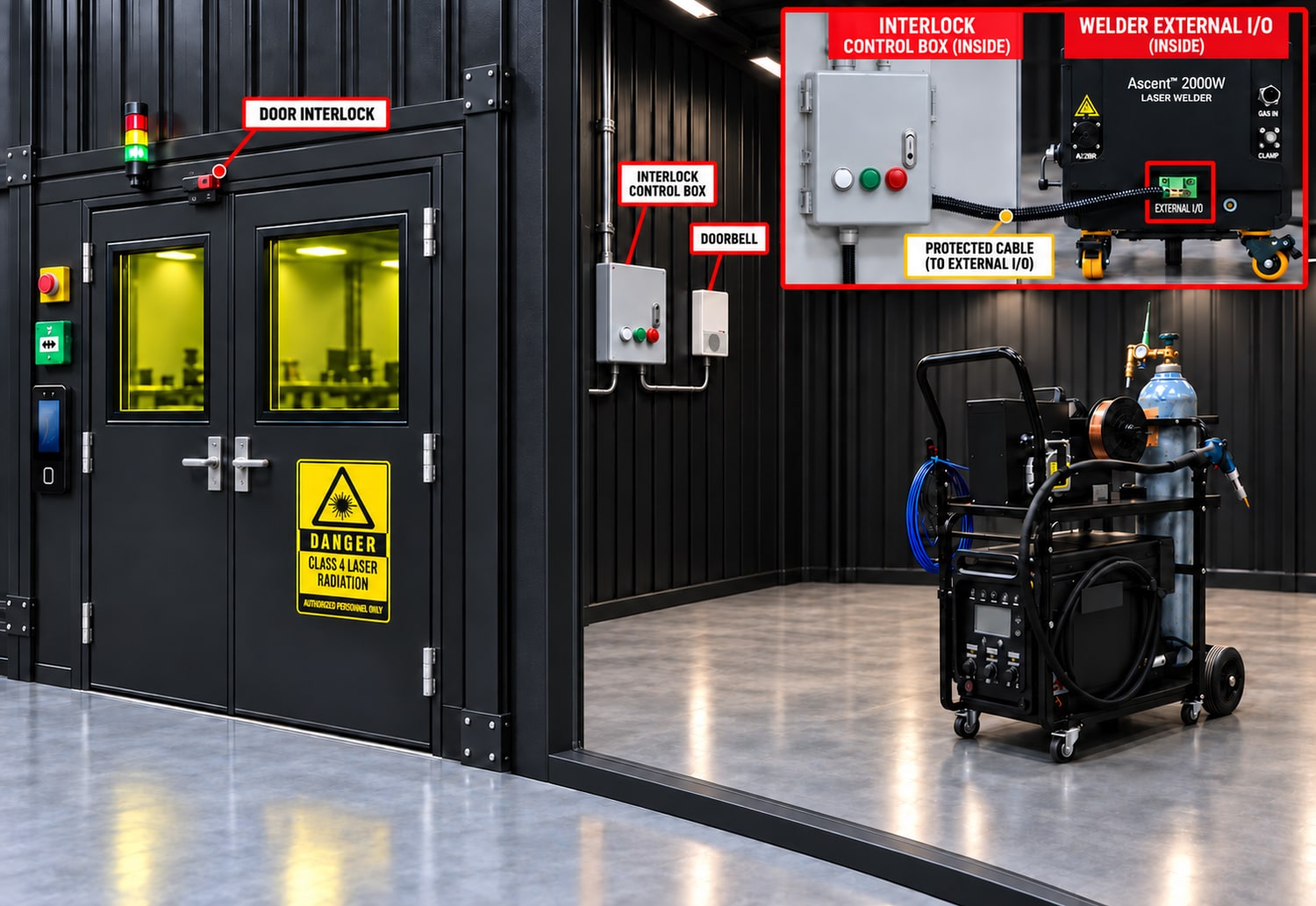
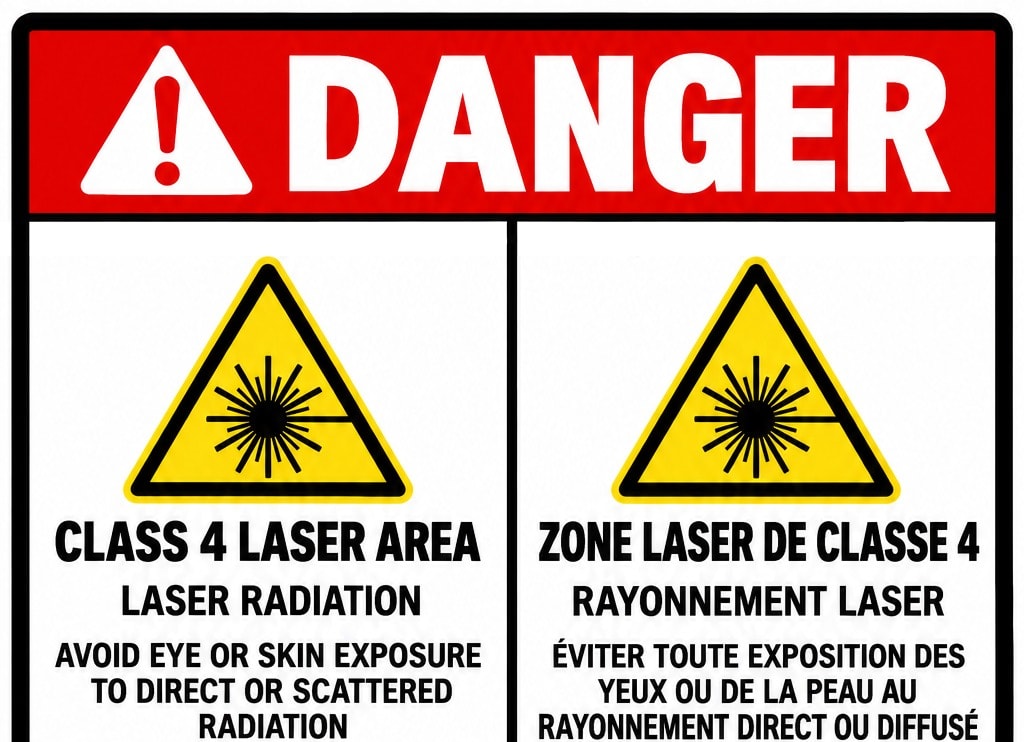
Laser safety has to be part of that from the start. Open-beam industrial lasers need beam containment, access control, interlocks, eye protection made for the laser's wavelength and fume extraction suited to the job. Laser safety eyewear: minimum OD 5; prefer OD 7 or 8. A laser that's easy to run still needs a properly controlled workplace. See our laser safety page for details.
Next: automation and artificial intelligence
The next stage of laser manufacturing will bring more help with programming, setup and inspection.
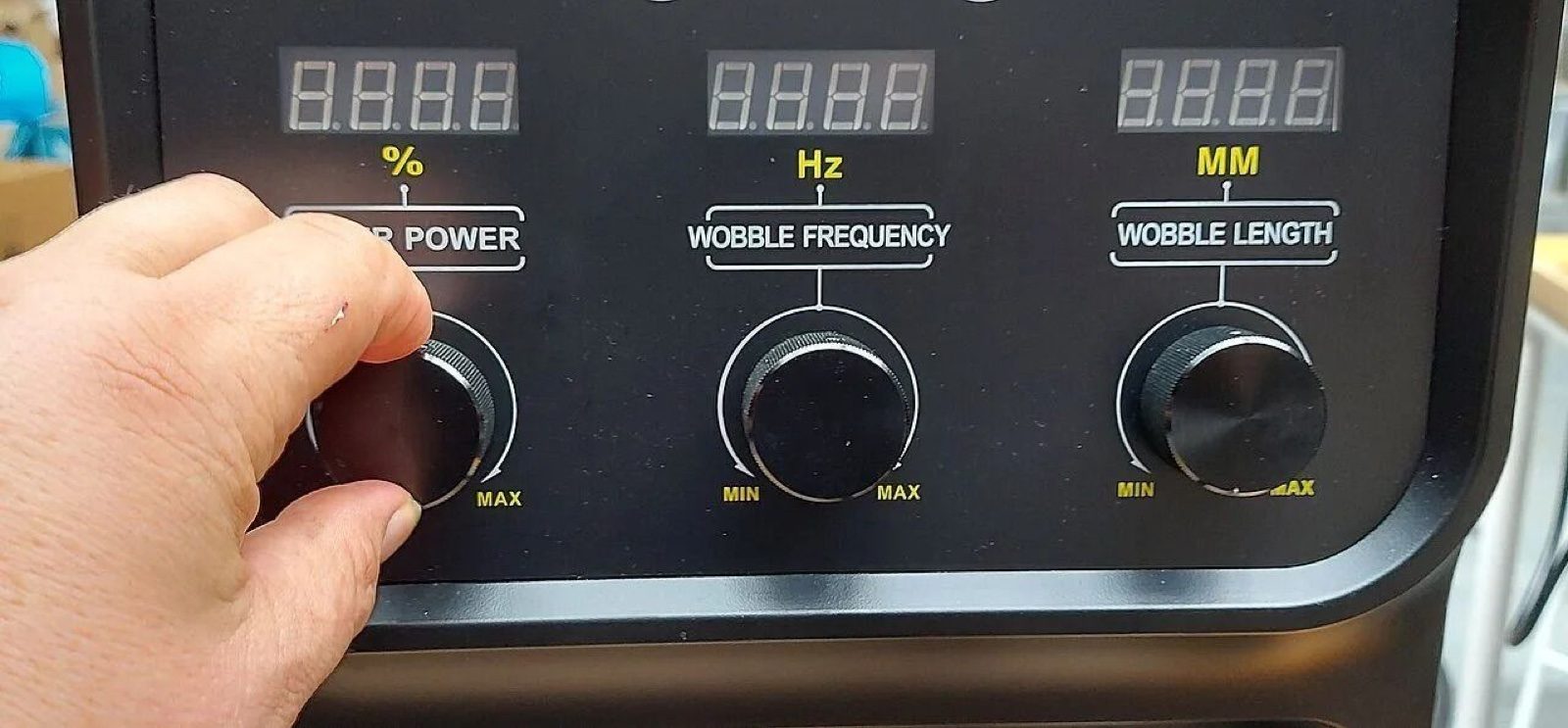
Some of that help is already here, without AI. Ascent's STR handheld welders have a built-in library of more than 20 welding process packages. The MASTER X laser cleaners store process packages on their touchscreen. The QCW tabletop welder has a CCD camera that shows the operator the joint live while lining it up.
AI could take this further. It could suggest starting parameters, improve how parts are nested on a sheet, recognize defects and spot maintenance problems before they stop production. Cameras and sensors could keep processing consistent by detecting changes in a joint or a surface.
How much of this you get will depend on the machine, the software and the job. These are future possibilities, not features to assume on every laser system, and skilled people will still be responsible for checking settings and accepting the finished work.
For fabricators and manufacturers, lasers offer a practical path to more precision and more capacity. With the right equipment and training, a business can make more kinds of parts, grow its workforce and deliver more consistent results.
To talk about which laser fits your parts, contact us.
Ascent Lasers Pro: Cut. Weld. Clean. Powered by light.