
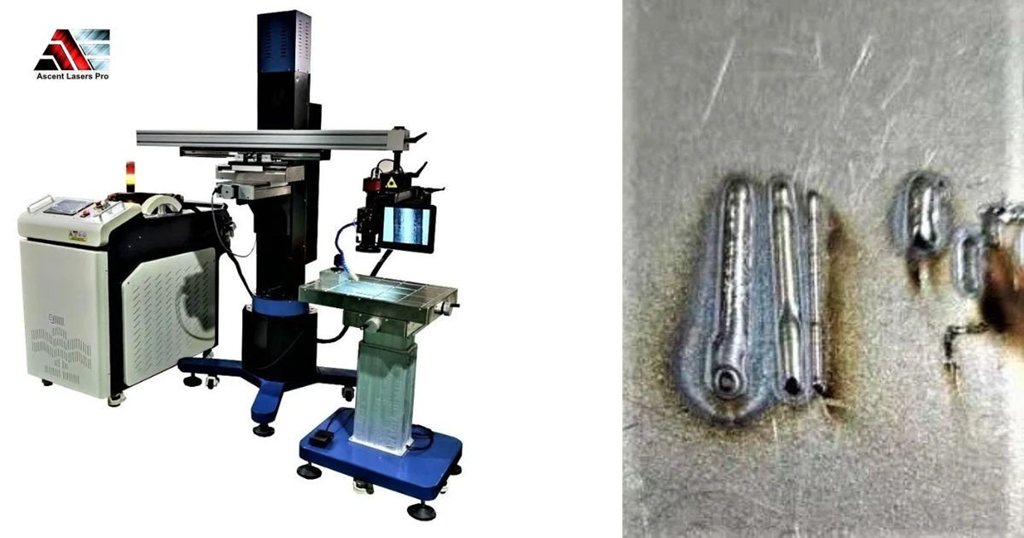
A small shop can take on serious repair work with the right tool. Laser welding has changed mold repair: repairs are faster, cleaner and more precise than with traditional welding, which can damage a mold through heat. This article covers what a laser welder does for mold repair and what you need to start a mold repair business.
Why laser welding suits mold repair
Traditional welding puts a lot of heat into the mold, which can cause warping or damage. A mold repair laser welder adds weld metal to a worn or damaged spot with very little heat distortion, so you can repair a mold instead of replacing it. That saves time and money. It works on steel, aluminum and other metals, on small details and larger surfaces alike.
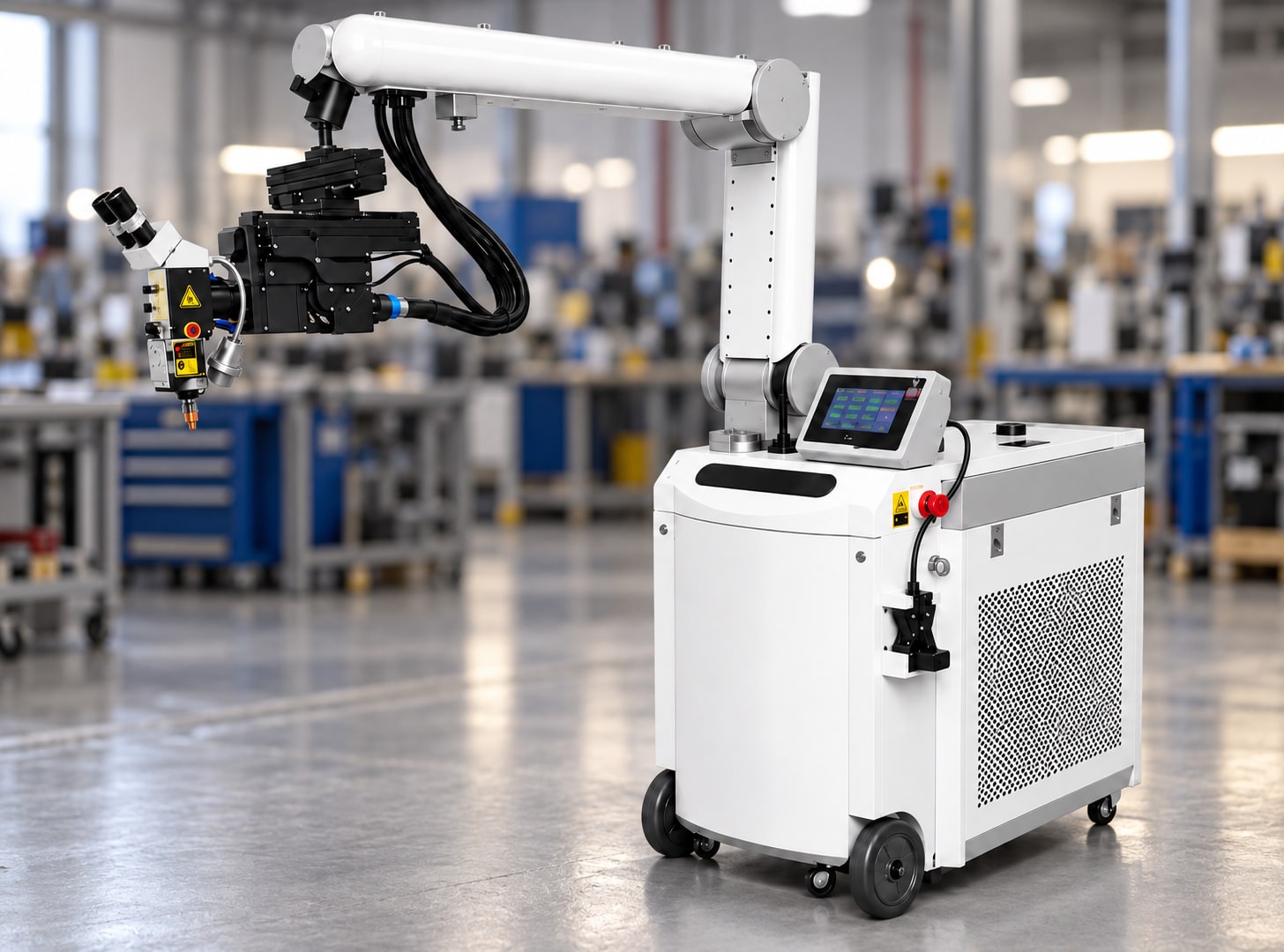
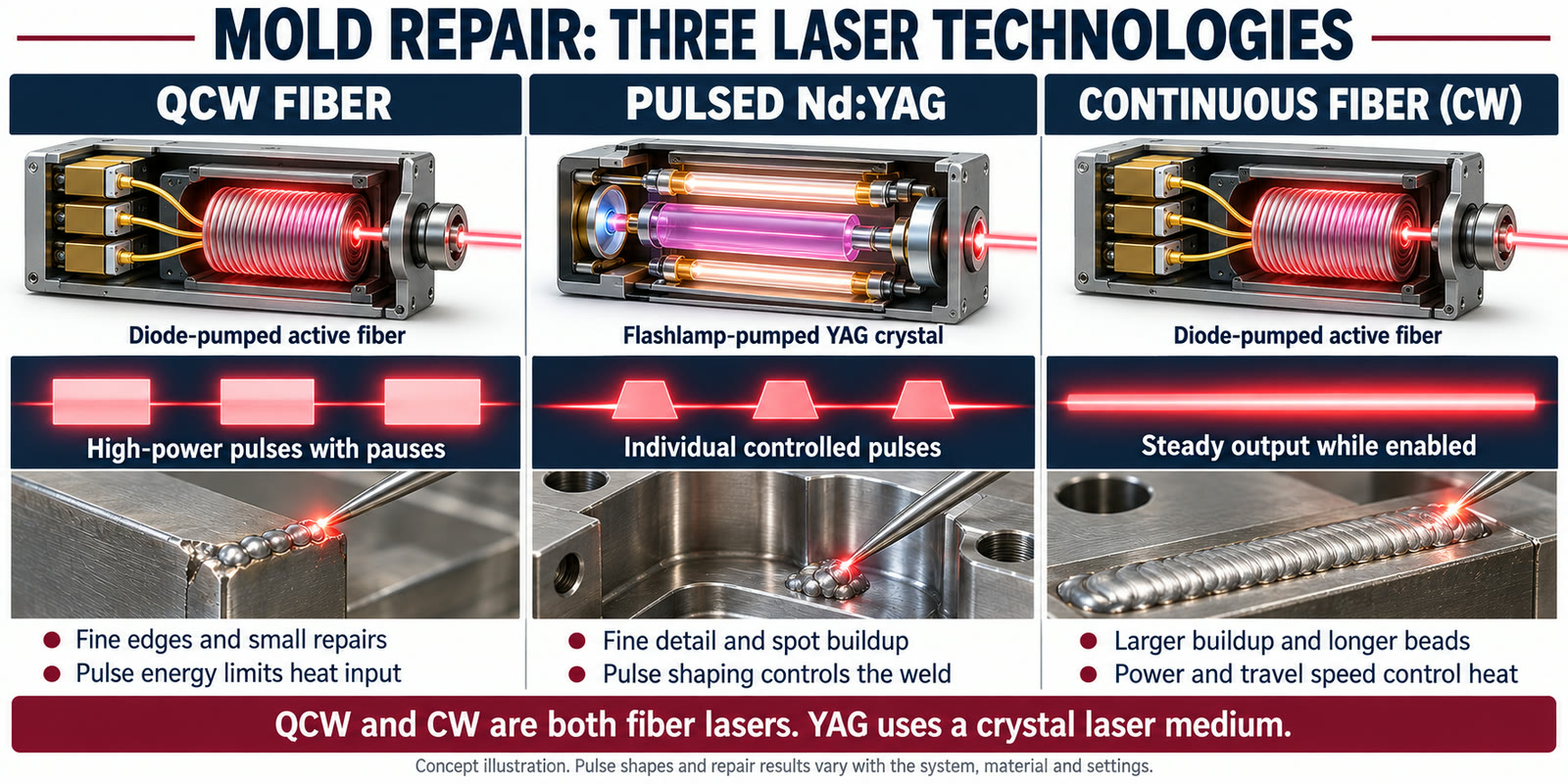
The Ascent mold repair laser welder is built for this work. It offers a choice of laser sources: 200W and 400W pulsed Nd:YAG, 150W and 300W QCW fiber, and 1500W and 3000W continuous fiber (CW).
Benefits
- Accuracy. It handles fine, delicate molds.
- Speed. Jobs often finish sooner than with traditional methods.
- Low heat. Less heat means less damage to the mold.
- Flexibility. It works on several metals and mold sizes.
See our article on the benefits of fiber laser welding for mold repair.
Read also: Which laser works best for cutting metals in small businesses?
How to start a mold repair business
Owning a laser welder is only part of it. You also need a suitable workspace, knowledge of materials and customers.
1. Understand the equipment
The Ascent mold repair system has a microscope for close work, a joystick control, a motorized XYZ platform and fine filler wire. QCW systems send short, powerful pulses that give deep penetration with low average heat. See the mold repair page for the three technologies compared.
2. Set up the workspace
A tidy workspace gives better results. You need good ventilation, good lighting and a stable surface. A laser welder is a Class 4 laser, so plan for laser safety: protective eyewear, enclosure and fume control. Minimum OD 5; prefer OD 7 or 8. See our laser safety page.
3. Choose the right machine
Pick a machine that suits your molds: the laser type, power, work area and controls. The price of the Ascent mold repair welder depends on the laser source, and shipping and on-site installation and training are included in it. Its warranty depends on the laser source.
4. Find customers
Businesses that make plastic parts, automotive components and machinery often need mold repairs. Reach out to mold makers, plastic manufacturers and local workshops. Good work leads to referrals.
What you can repair
- Cracks in injection molds
- Worn sections in dies
- Edges and corners that have worn or chipped
- Gates, flash lines and damage at ejector pins
- Engraving that needs correcting
- Surface defects
Tips for success
- Practice. Work on sample molds to learn the settings and technique.
- Match filler to the mold. Choose filler metal that matches the mold steel.
- Maintain the machine. Keep it clean, check calibration and inspect parts.
- Plan your work. Schedule jobs so the machine is used well and deadlines are met.
Read also: Industries that use laser cutting technologies
Expanding your services
As the business grows, you can add related services, such as mold cleaning, surface finishing or minor machining. Offering more services helps attract repeat customers.
Common challenges
- Different metals. Each reacts differently to laser welding, so heat and weld quality vary.
- Settings. Wrong settings can damage a mold or leave a weak weld.
- Consistency. Repeating the same result on complex shapes takes skill.
- Skill. Learning takes time, and hands-on practice and guidance help. Ascent provides operator training.
- Maintenance. Regular calibration and cleaning prevent errors and downtime.
- Scheduling. You will need to manage several jobs at once.
Get started with Ascent Lasers Pro
Ascent Lasers Pro sells laser welders for mold repair, with installation, training and support from technicians in Buffalo, Toronto and Kentucky. Contact us to discuss your plans.
Before you buy, compare the three laser types used for mold repair in Mold Repair Lasers Compared.
Questions answered
Q1: How does laser welding help a mold repair business?
It lets a small shop repair molds with low heat, clean finishes and high accuracy, which reduces waste and widens the services you can offer.
Q2: Can a laser welder repair every type of mold?
It works on steel, aluminum and other metals used in molds, and on injection molds and dies. Check the material and the laser power first.
Q3: Who needs mold repair?
Manufacturers of plastic parts, automotive components and machinery, and the shops that make their molds.
Q4: Can the same machine do other work?
The mold repair welder is built for repair work on molds, dies and tooling, and on precision metal parts. For general production welding, see our handheld laser welders.
Q5: What maintenance does a laser welder need?
Regular cleaning, calibration and checks of the cooling system keep welds consistent and extend the life of the machine.