
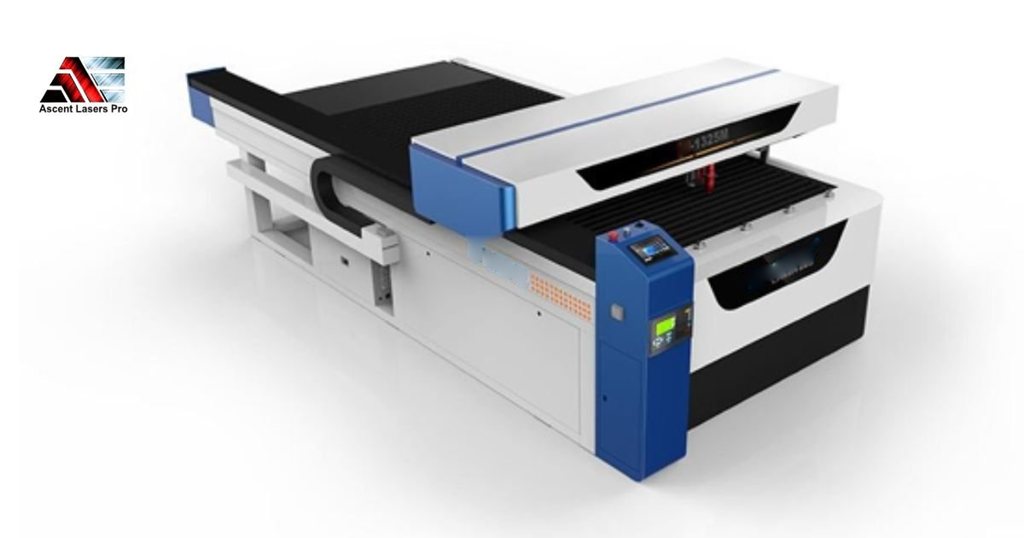
A car has thousands of parts, and many of them start as a sheet of metal cut by a laser. Laser cutting has become standard in manufacturing because it is fast, accurate and wastes little material. The automotive sector is one of the biggest users, and this article starts there before looking at other industries.
Why laser cutting matters
Laser cutting is used in fields from construction to healthcare. Automotive stands out because of its need for both speed and accuracy. A shop with a metal laser cutting machine can cut frames, exhaust parts and detailed panels faster than with older methods, and it keeps costs down.
Automotive manufacturing
Cars combine metals, plastics and composites. Traditional tools often leave rough edges and waste material. A laser shapes parts with little rework, so automakers use it for large runs and custom parts.
Benefits
- Speed. Lasers handle repetitive jobs quickly and keep a line moving.
- Clean cuts. Smooth edges reduce sanding and polishing.
- Material savings. Software-guided cutting uses less raw material.
- Versatility. A fiber laser cuts several metals, and a CO₂ laser cuts nonmetals.
Where it is used
- Body panels. Large sheets cut with clean edges, ready for assembly.
- Exhaust systems. Parts that need exact cuts.
- Engine parts. Brackets, covers and other parts in strong metals such as stainless steel.
- Custom trims. Distinctive interior and exterior designs.
Cars are also built to be lighter, and lasers cut lightweight metals such as aluminum accurately.
Read also: Which laser works best for cutting metals in small businesses?
Beyond metals: acrylic and more
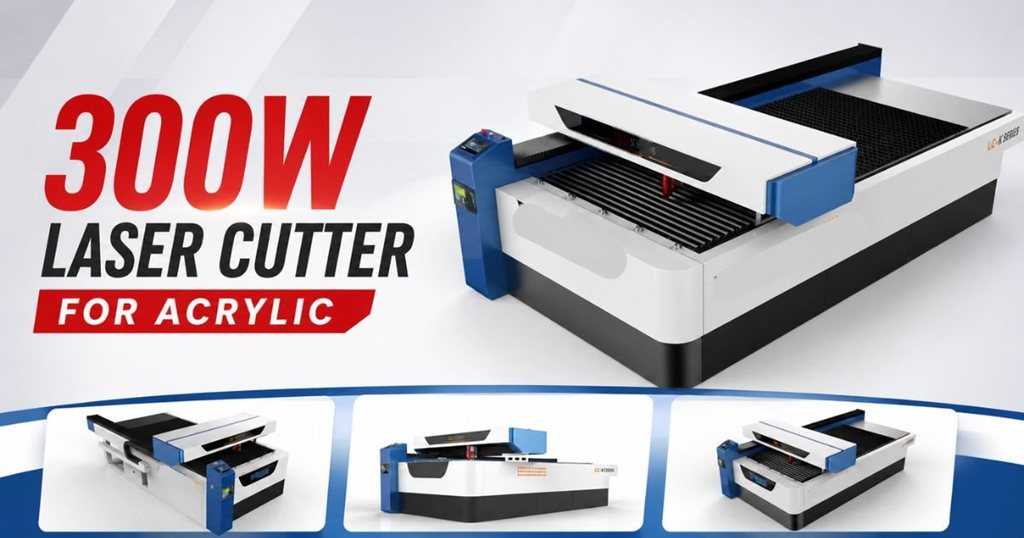
Acrylic and other plastics have a role in vehicles too, for dashboards, lighting covers and decorative parts. A CO₂ laser such as the Ascent CO₂ laser cutter cuts acrylic cleanly. A shop that has both a fiber and a CO₂ laser can cut metals and plastics in one place.
Other industries
- Medical. Surgical tools and implants.
- Electronics. Small, accurate parts.
- Construction. Beams, supports and decorative metalwork.
- Fabrication. General sheet metal parts and custom work.
What to look for in a machine
- A work area large enough for your sheets
- The right laser for your material: fiber for metal, CO₂ for nonmetals
- Stable cooling
- A control panel your team can learn quickly
The Ascent fiber laser cutters have a 3048 x 1524 mm (10 x 5 ft) work area and a 3 kW or 6 kW source, and the A-C Series adds an exchange table. They cut carbon steel, stainless steel, brass and aluminum.
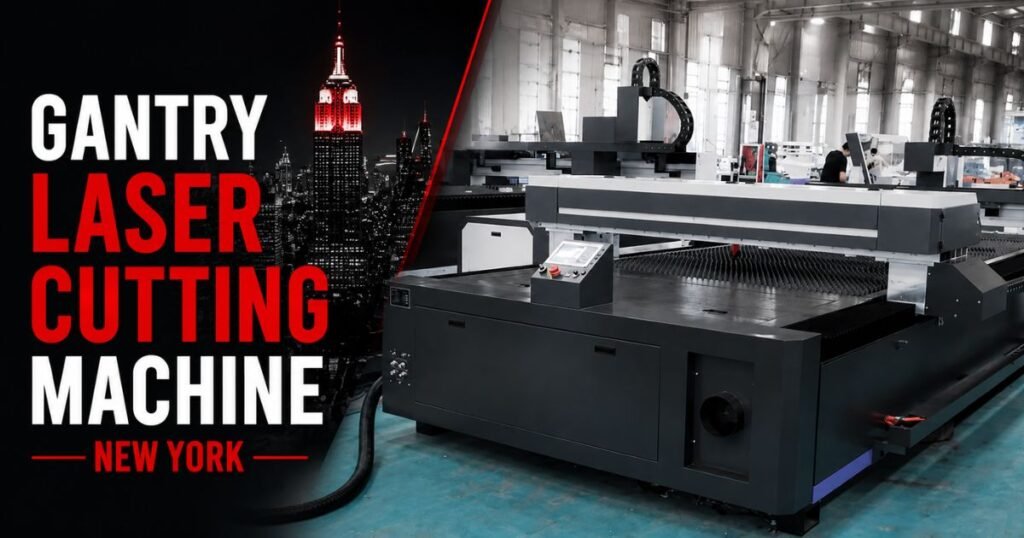
Read also: Top benefits of using a gantry laser cutting machine
How automotive shops benefit in practice
Car production depends on accuracy that repeats. A laser cuts every door frame or bracket the same way, which reduces errors and shortens assembly. Repair and aftermarket shops use lasers to cut custom parts, such as a one-off exhaust design, for a customer.
Looking ahead
Vehicles keep changing, with electric systems and lighter frames. Manufacturers need tools that cut thin, heat-sensitive materials without damage, and repair and custom shops will continue to use lasers for small projects.
Summary
Laser cutting has changed how many industries work, and automotive shows it clearly. Ascent Lasers Pro sells the 130W CO₂ laser cutter and engraver, the fiber laser cutters and the hand-held fiber laser welder, among other machines. Shipping, installation and operator training at your facility are included in the price. Contact us to discuss your work.
For production work, loading and unloading sheets is often the bottleneck. Sheet Loading for Laser Cutters compares the options and their budget costs.
Top questions
Q1: What materials can laser cutting machines handle?
A fiber laser cuts metals such as stainless steel, aluminum and carbon steel. A CO₂ laser cuts nonmetals such as acrylic, wood and leather.
Q2: Why is laser cutting important to the automotive industry?
It gives faster production, cleaner edges and less wasted material. Automotive shops use it for body panels, engine parts, exhaust parts and custom trims.
Q3: Can small workshops benefit?
Yes. A smaller machine can handle many projects, from car parts to custom pieces, in one shop.
Q4: How do automotive shops use lasers for custom work?
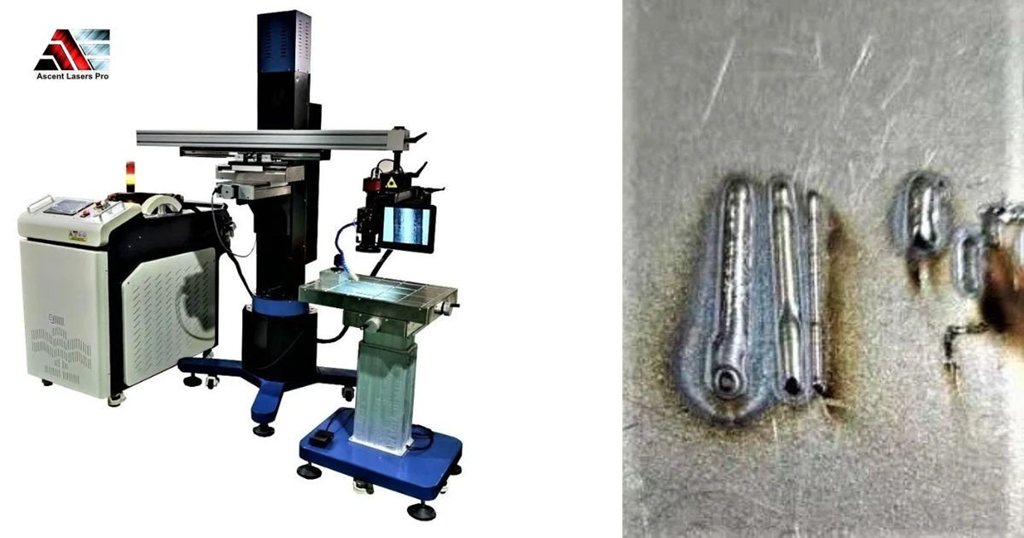
They cut custom exhausts, brackets and trims. A handheld fiber laser welder can then join parts on the shop floor or on a repair.
Q5: What maintenance do laser cutters need?
Regular cleaning, checks of the cooling system and occasional calibration. Ascent provides training and remote support.