
Fiber laser cutters have taken over a large share of metal cutting from plasma, mechanical cutting and older CO₂ lasers. They cut quickly, hold tight tolerances and need little upkeep. This article explains why shops are making the switch and what to look for in a machine.
How a fiber laser cuts metal
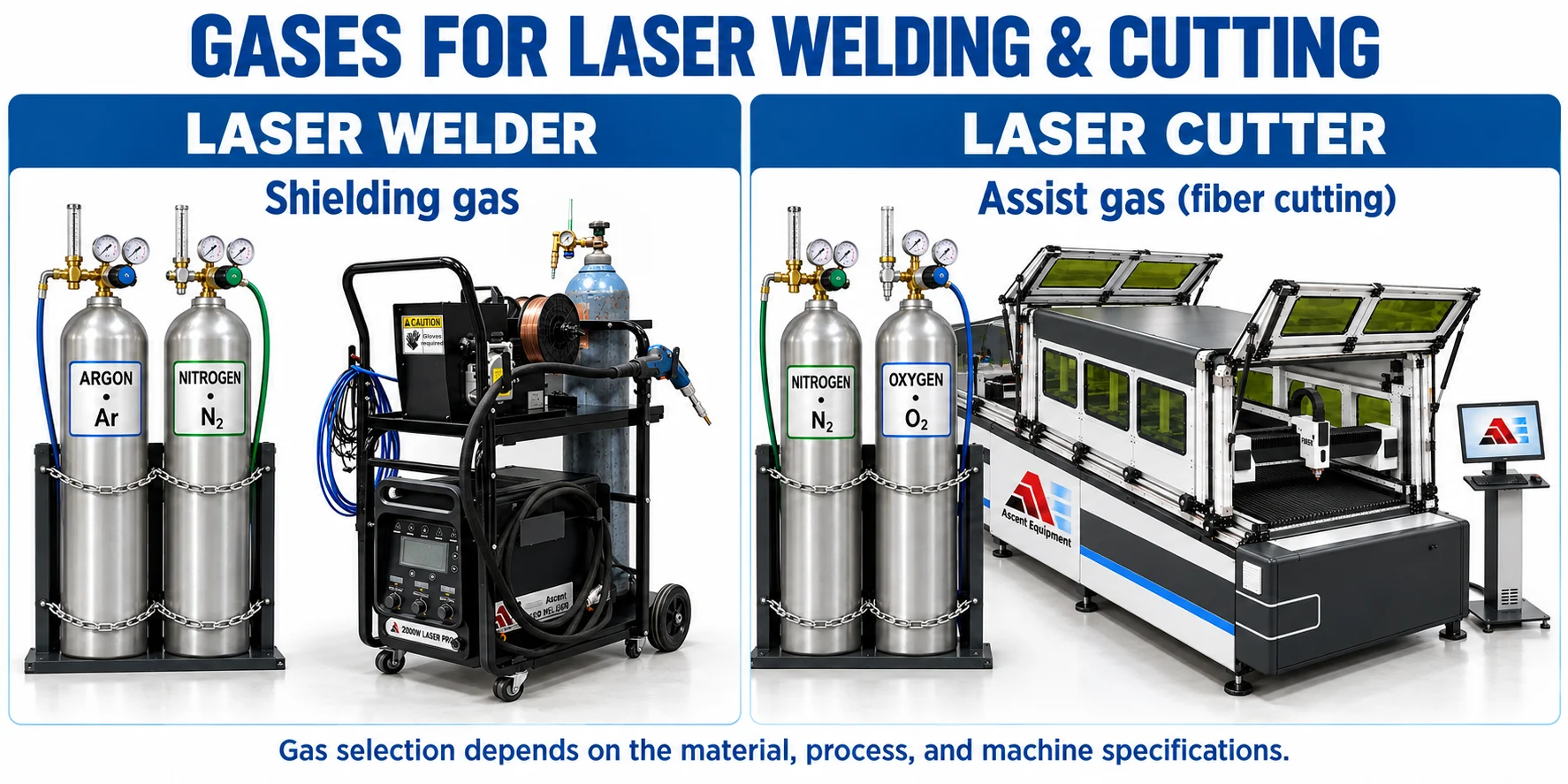
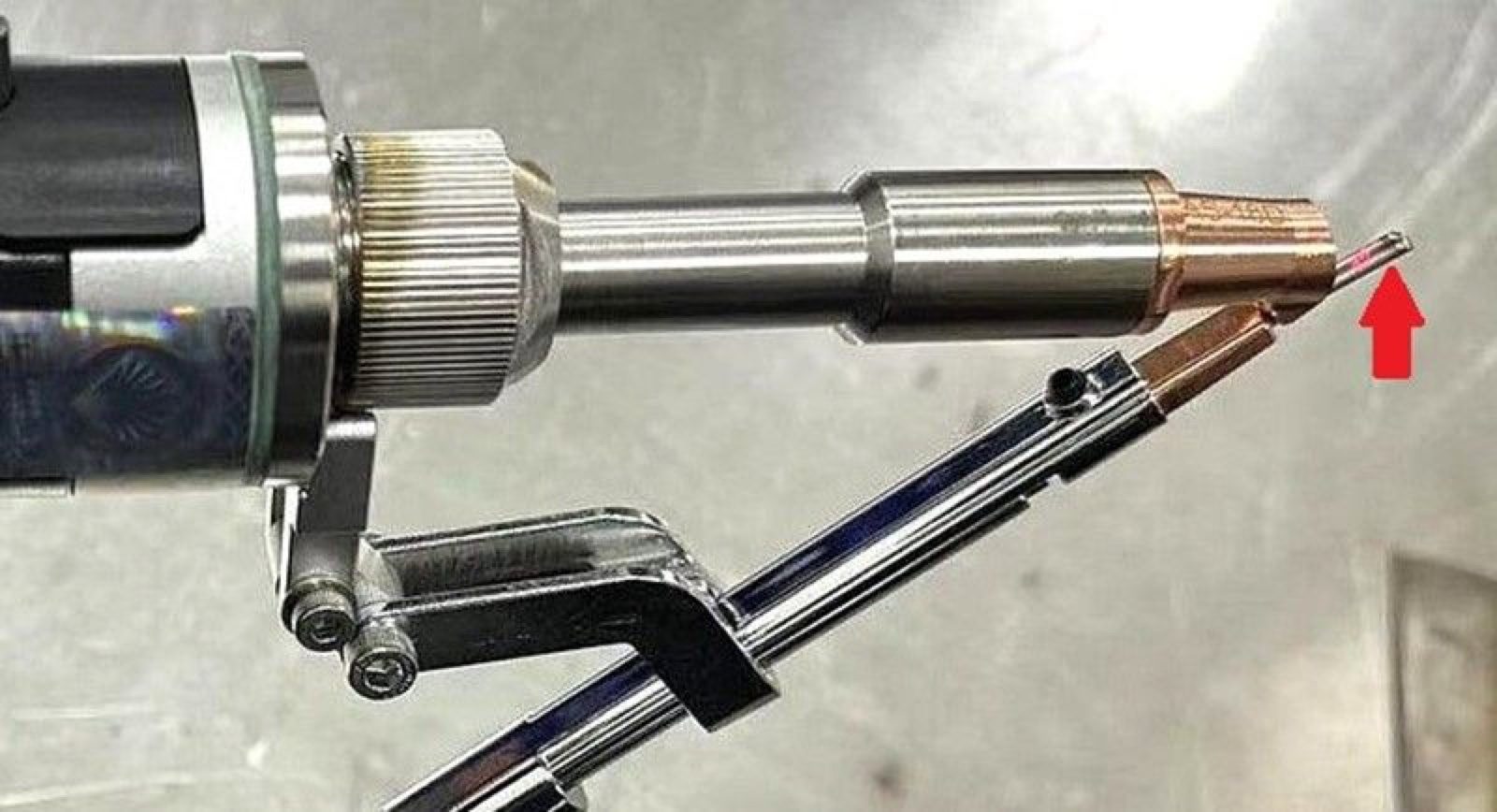
A fiber laser creates its beam in a fiber optic cable and delivers it to a cutting head. The head focuses the beam into a tiny spot, which melts the metal along the cutting path while a stream of assist gas blows the molten material out of the cut. The result is a narrow, accurate cut, and it works on a wide range of metals.
Advantages of fiber laser cutting
Speed
A fiber laser puts its energy into a very small area, so it cuts fast, especially on thin and medium sheet. Faster cutting cuts production time. The Ascent fiber laser cutter has a maximum speed of 130 m/min, and a shuttle table lets the operator load a new sheet while the machine cuts another.
Precision
Accuracy matters when a small error can ruin a part. The Ascent cutter lists a positioning accuracy of ±0.05 mm and a repeated positioning accuracy of ±0.02 mm. Laser cuts are clean and often burr-free, which means less finishing.
Range of metals
A fiber laser handles carbon steel, stainless steel, aluminum and brass, and the cutting table on the Ascent page shows the maximum thickness for each at each power level. For example, carbon steel goes up to 0.8 in. at 3000W and 1.0 in. at 4000W. The Ascent dual gantry cutter also lists copper.
Low maintenance
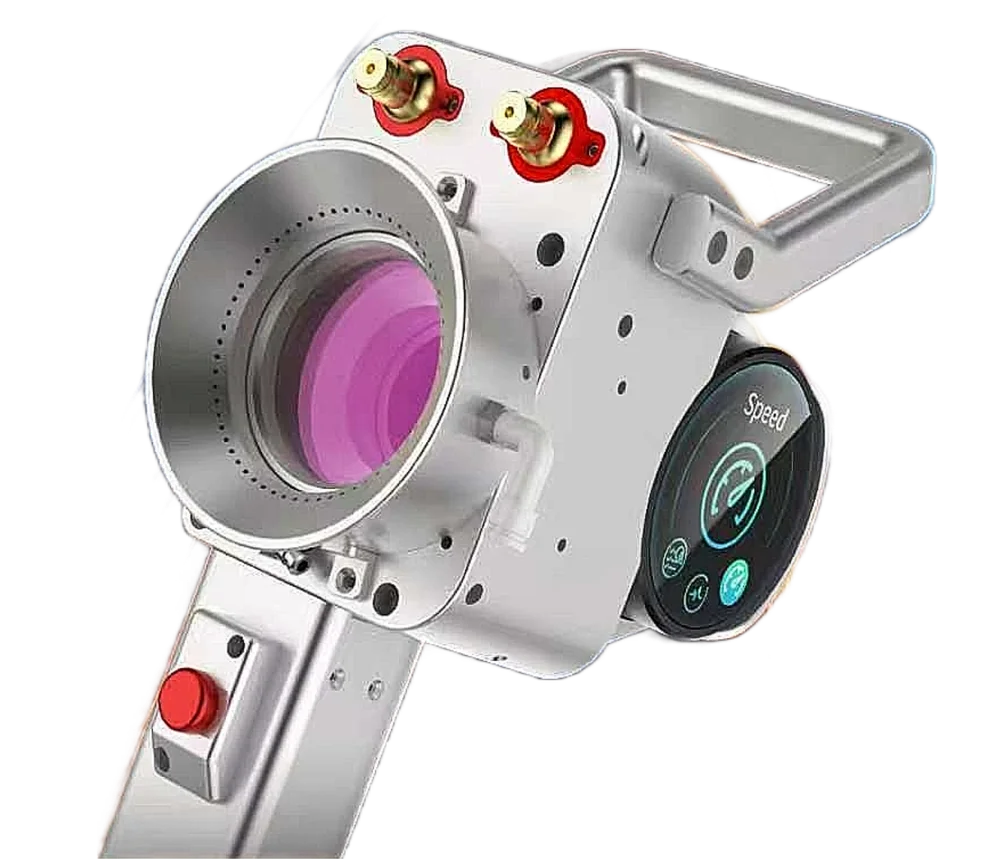
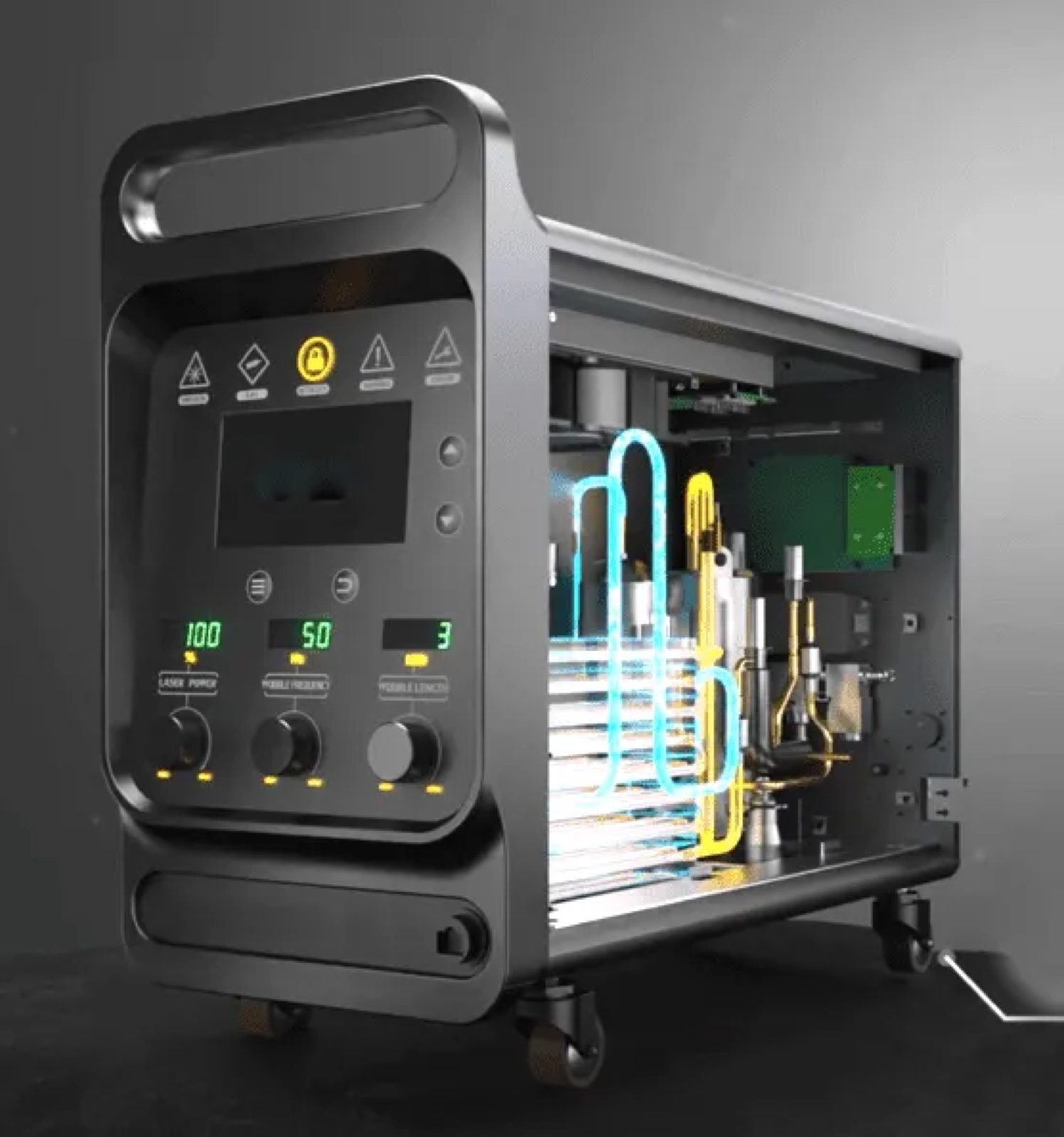
A fiber laser source is solid state, with no laser tube or flash lamp to replace. The machine still needs routine care: keep the cutting head optics clean, replace nozzles and protective lenses, and look after the water chiller. The Ascent cutter's cutting head is sealed inside, which keeps the optics free of dust.
Energy efficiency
Fiber lasers use electricity more efficiently than CO₂ lasers, so they cost less to run for the same cutting job.
Less waste
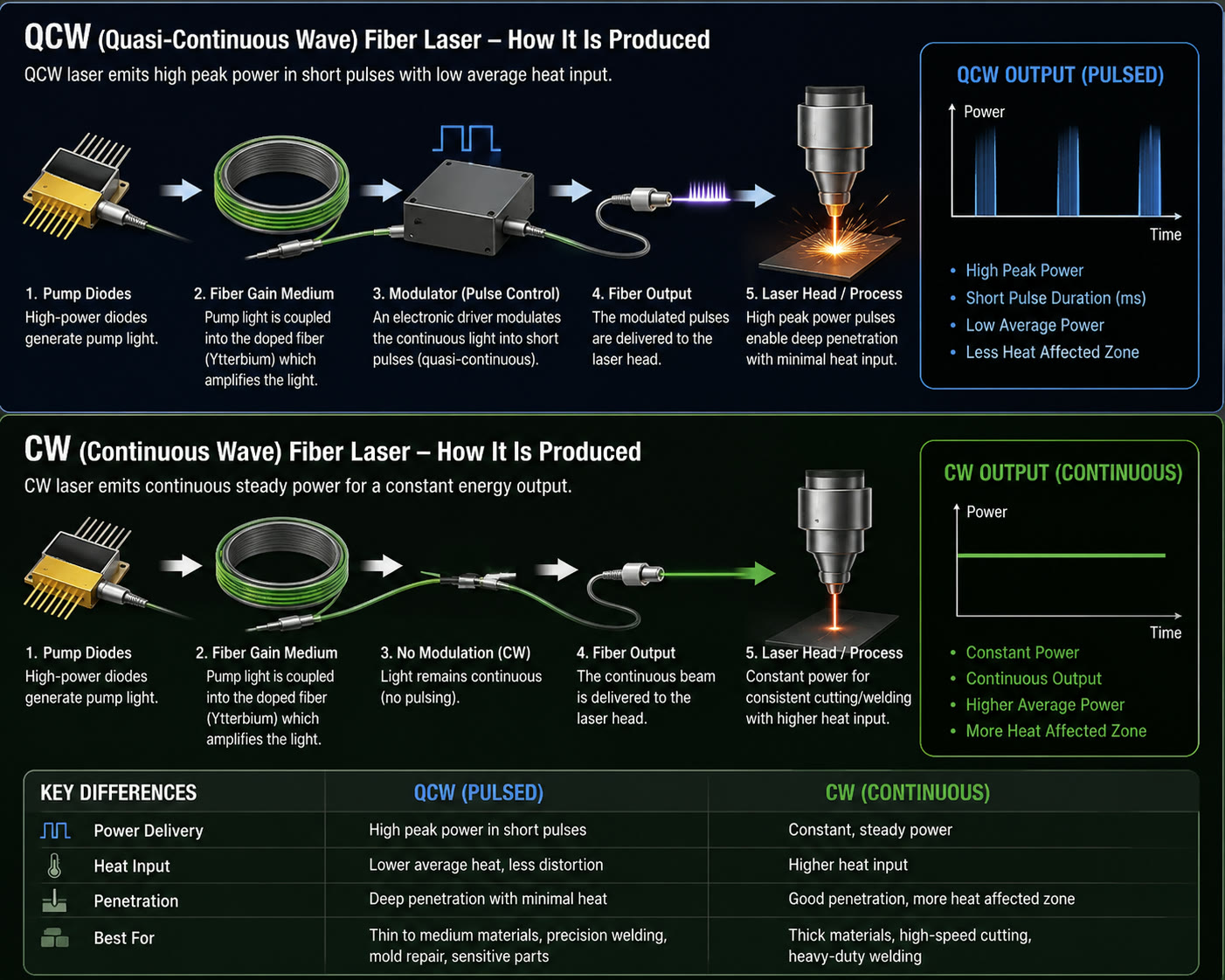
A narrow beam makes a narrow cut, so you can nest parts closely and lose less material. The heat-affected zone is small, which keeps the area around the cut in better condition.
Where fiber laser cutters are used
- Automotive. Body parts, frames and custom components.
- Aerospace. Thin-walled parts with tight tolerances.
- Medical. Small, intricate parts.
- Fabrication and custom work. Brackets, enclosures, panels and one-off parts.
Smaller workshops use fiber lasers for custom jobs too, because the machine handles many designs and materials with a change of file and settings.
Automation
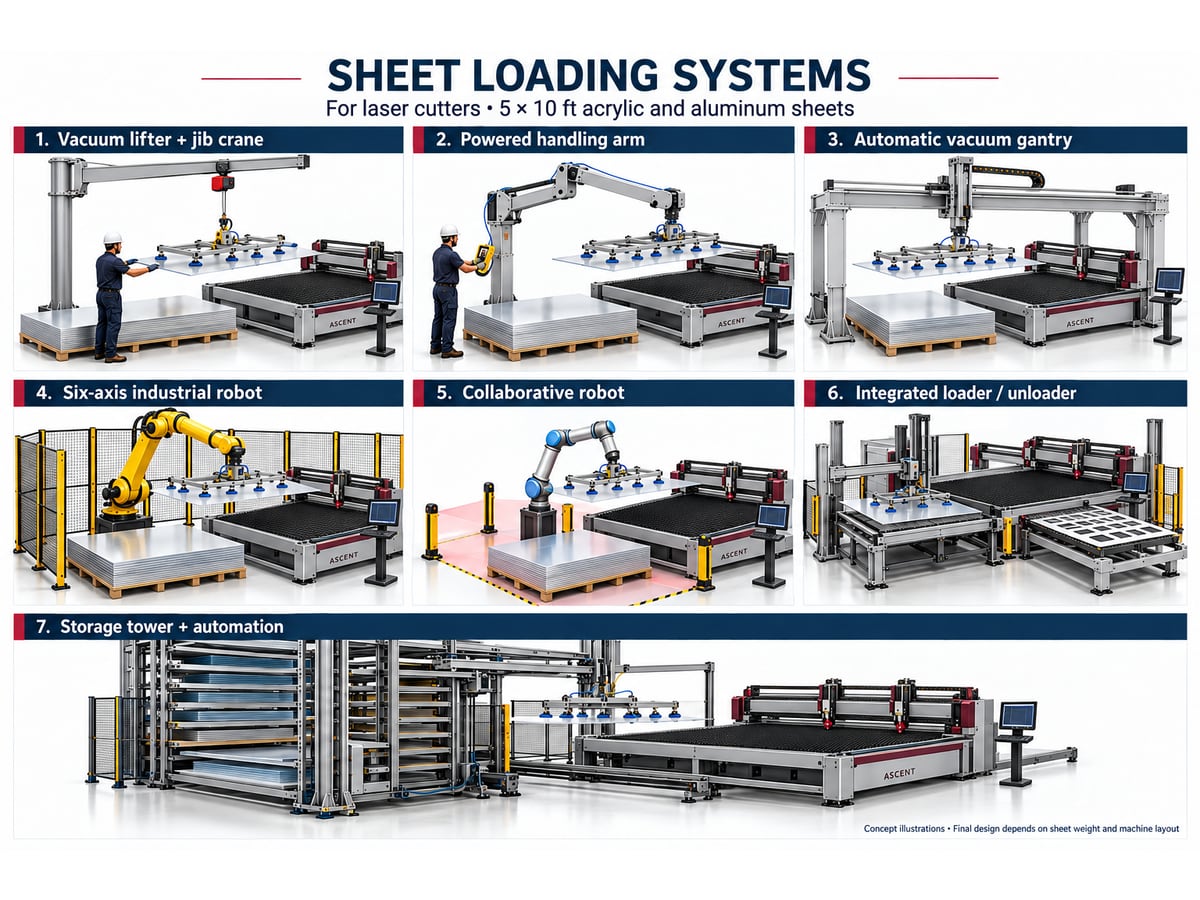
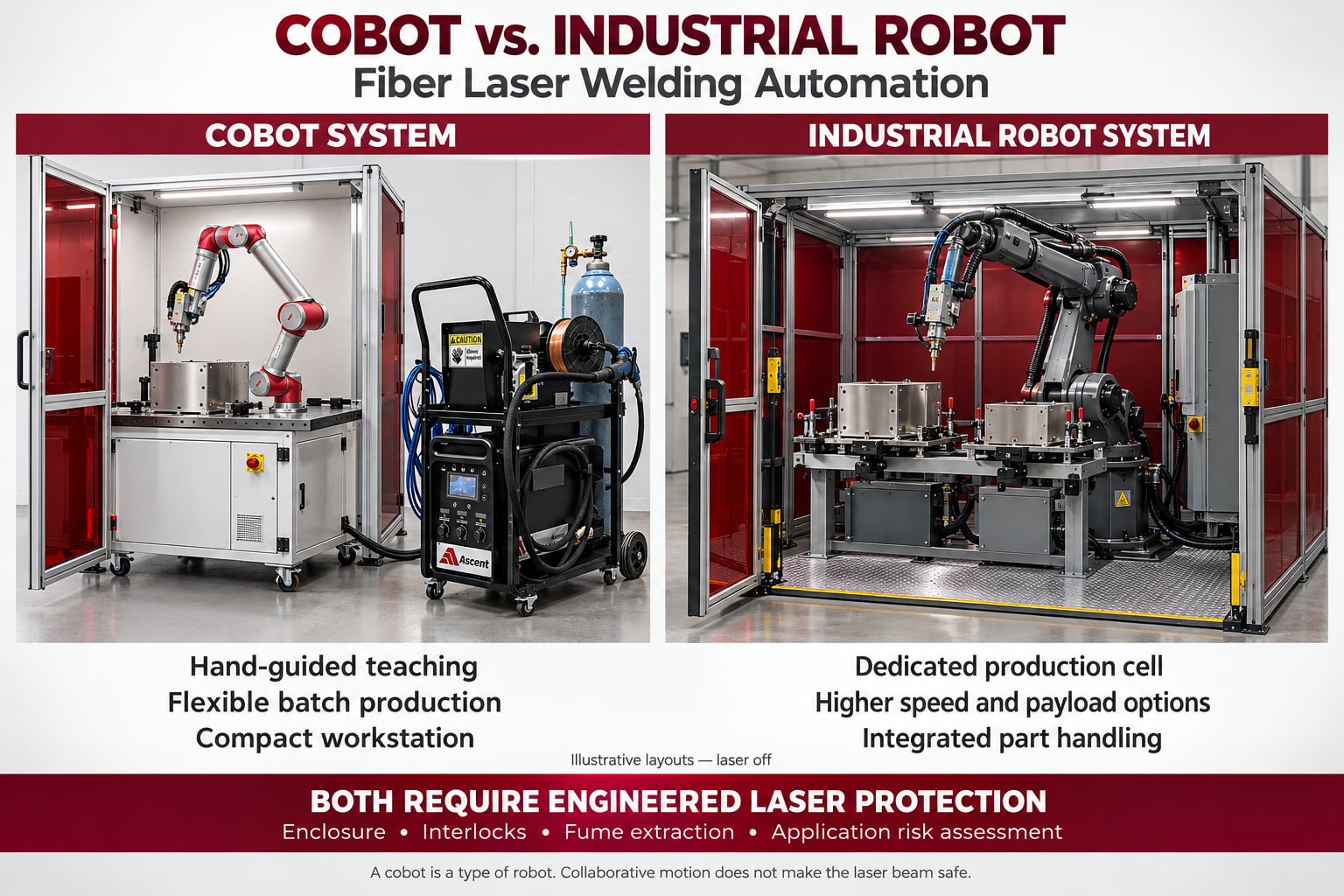
Many shops add loading and unloading equipment or robotic handling to a fiber laser. The Ascent cutter's shuttle table is a first step in that direction.
Safety
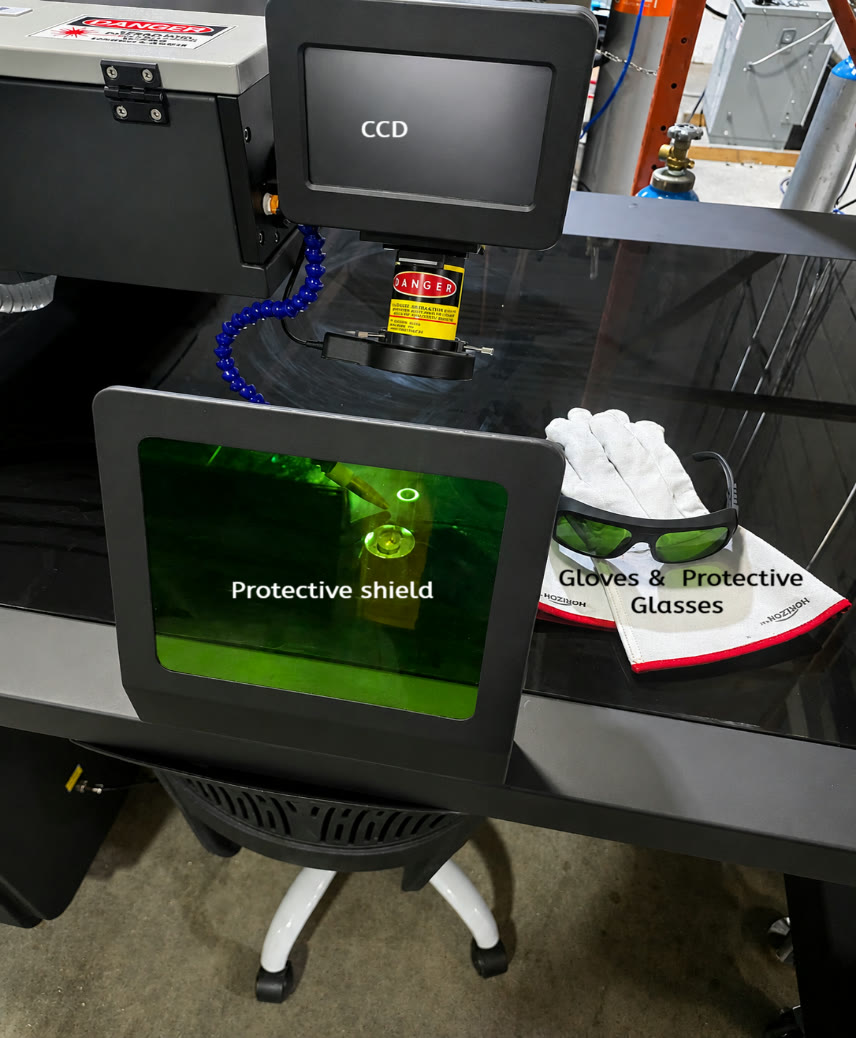
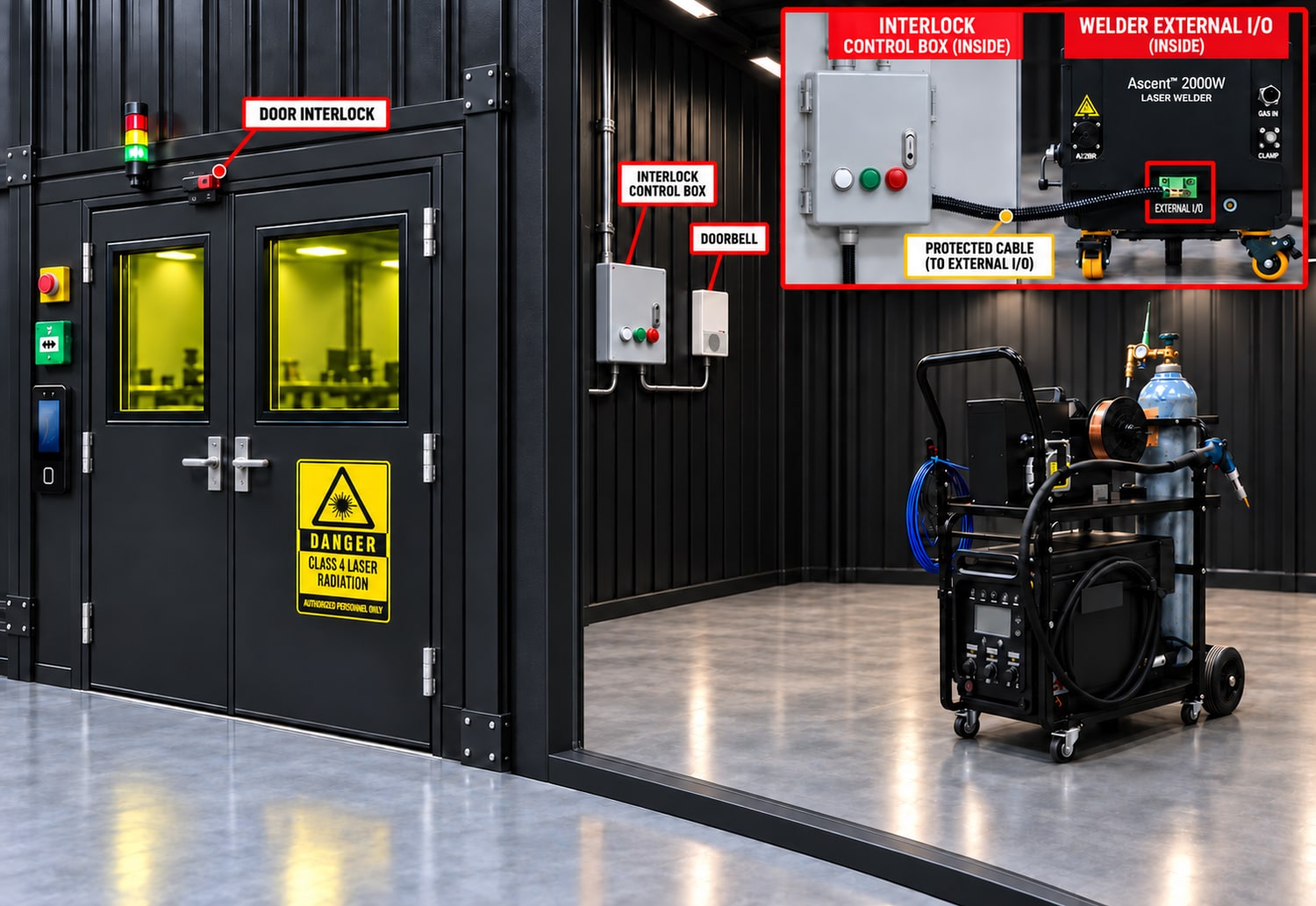
A fiber laser cutter is a Class 4 laser. Keep it fully enclosed, vent fumes, and follow the guidance on our laser safety page. The Ascent cutter has a full enclosure around the work area, and Ascent laser complies with applicable FDA laser product requirements.
Choosing a fiber laser cutter
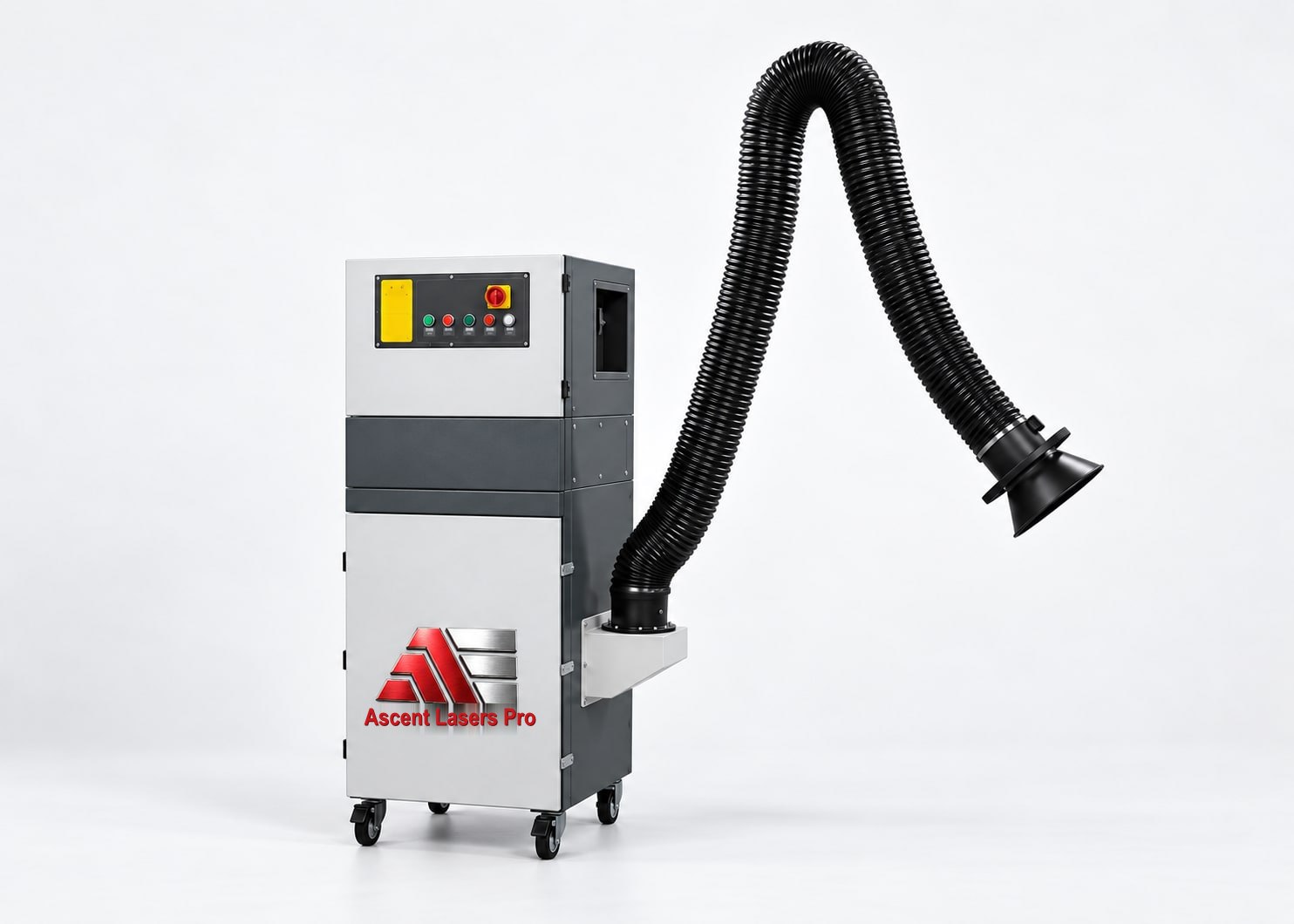
Match the power to the metals and thicknesses you cut. Look at accuracy, speed, software, enclosure, cooling and support. The Ascent cutter comes with the laser source, regulator, dust and fume collector, water cooling and a UL/CSA transformer. Installation and training at your facility are included in the price, and the machine has a 1-year warranty on workmanship and non-consumable parts.
For help, visit Ascent Lasers Pro or contact us.