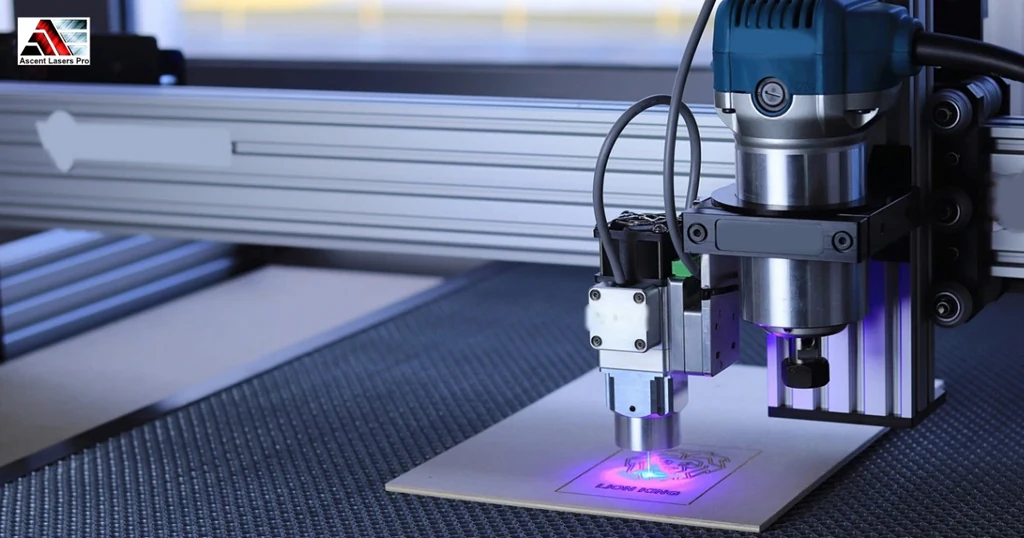

Laser engraving lets a small business put precise, detailed designs on its products. It can add logos, names and patterns without a stock of molds or a team of craftspeople. This article covers where small businesses benefit and which laser fits which material.
Which laser engraves what
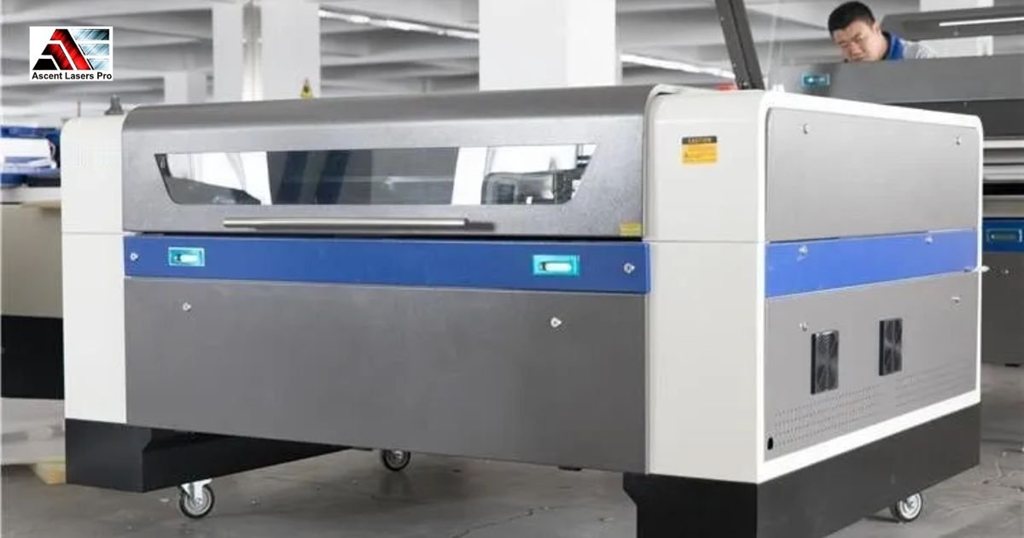
The material decides the laser. A fiber laser engraves and marks bare metal such as stainless steel, aluminum and brass. A CO₂ laser works on nonmetals: wood, acrylic, leather, rubber and similar materials. The Ascent 130W CO₂ laser cutter and engraver is a nonmetal machine. If your products are bare metal, you need a fiber laser engraver.
Stronger brand identity
Engraved logos, names and designs make a product look more finished. Personalized items appeal to customers and stay in their minds. Customized products can also support premium pricing and customer loyalty, without a big marketing spend.
More value from product design
Laser engraving can produce fine details that are hard to make by hand. Adding them to existing products can make the products look more sophisticated and raise their perceived value.
Read also: Starting a mold repair business using fiber laser welding
Lower production cost
Engraving needs little manual labor, so you can cut errors and rework. A laser also handles small batches without molds, so custom orders do not require outsourcing.
More products to offer
Once you can engrave, you can take on personalized gifts, tools, awards and corporate items. A small workshop can make engraved items for professionals and decorative ones for consumers.
Metals commonly engraved with a fiber laser include aluminum, stainless steel and brass. A CO₂ machine covers the nonmetal side of the same catalog.
Read also: Which laser works best for cutting metals in small businesses?
Better customer engagement
Personalized products feel special. Events, corporate gifts and loyalty programs are all good fits, and one-off pieces encourage repeat orders and word of mouth.
Prototyping and small runs
Laser engraving helps you test designs and make samples quickly. You can adjust a design and re-run it without new tooling, which speeds up product development and keeps small production runs efficient.
Accuracy and consistency
A laser repeats the same design without variation. That helps keep every product up to the same standard, which builds trust.
Online and retail sales
Distinctive products photograph well and stand out in an online shop or on a retail shelf. Engraving lets you fulfill personalized online orders from a file.
Read also: How to troubleshoot common CO₂ and fiber laser machine issues
Getting started
Think about your materials, your volume and your space. A laser is a Class 4 device, so plan for safe operation: enclose the machine, ventilate the fumes and train the operators. See our laser safety page.
Ascent Lasers Pro sells fiber laser welders, CO₂ and fiber laser cutters, combination cutters and handheld laser welders, with shipping, installation, operator training and safety recommendations at your facility, included in the price. Contact us to talk through what suits your business.
If you are deciding between a CO₂ and a fiber machine for engraving, our guide to choosing a laser cutter by material compares them.
FAQs
Q1: Can a small business run a laser engraver safely?
Yes, with the right setup. Lasers are Class 4 devices, so they need an enclosure or protective area, ventilation and training. Ascent trains your operators at your facility.
Q2: What materials can I engrave?
A fiber laser engraves bare metals such as aluminum, stainless steel and brass. A CO₂ laser engraves nonmetals such as wood, acrylic, leather and rubber.
Q3: How quickly can I start producing engraved items?
After installation and operator training, you can start production on small-batch orders.
Q4: Is laser engraving cost-effective for a small operation?
It reduces manual labor and rework, and it needs no molds for small batches.
Q5: Can I customize products for individual customers?
Yes. Each item can carry its own design, name or logo, set through the file.