
Call us: 1-800-927-5107 647-494-7800 ext. 1008

How to Troubleshoot Common CO2 Fiber Laser Machine Issues

Laser cutters last longer and cut better when someone looks after them. When a machine starts to cut poorly, the cause usually sits in one of a few places: the laser source, the optics, the cooling, the software or the mechanics. This guide covers the most common problems on CO₂ and fiber laser machines and how to check them.

What the machine is

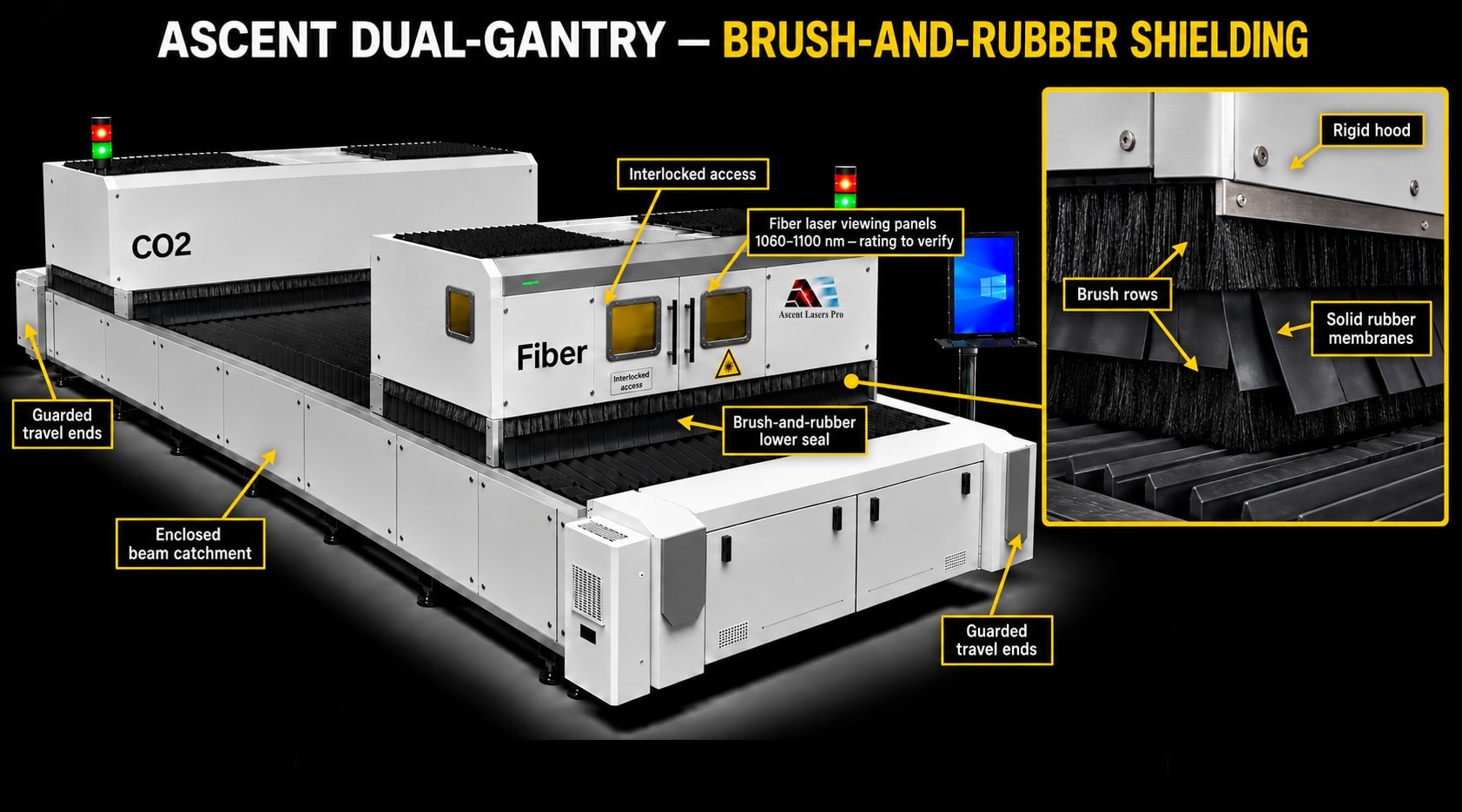
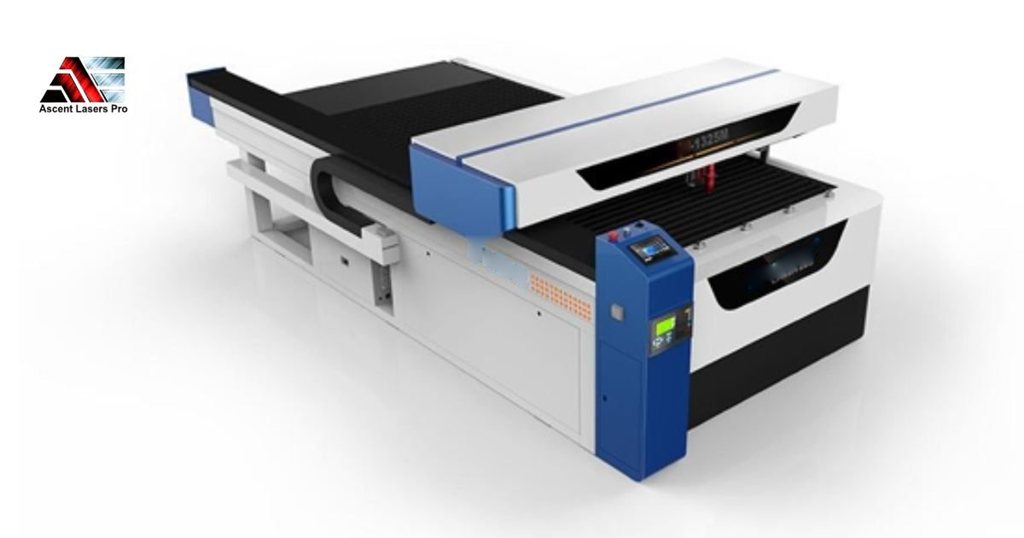
A CO₂ laser works on nonmetal materials such as wood, acrylic and leather. A fiber laser works on metals. Some machines, such as the Ascent combination CO₂ and fiber cutter, have both. Whatever you run, problems normally involve the laser source, the optics, the cooling system, the software or the mechanical parts.

Laser power problems

If cuts are shallow or uneven, the power may be fluctuating. Check the power settings, look at the laser tube on a CO₂ machine, and make sure cables and connections are firm. Regular maintenance prevents power loss and extends machine life.

Read also: Tips to maximize efficiency with your handheld laser welding machine

Optical alignment

Misaligned or dirty mirrors and lenses distort the beam, which spoils the cut. Signs include irregular cuts and burnt edges. Clean the lenses and mirrors gently with the recommended cleaner, and realign them as the manual describes. On fiber machines, check the protective lens in the cutting head, which is a consumable.

Cooling failures

Overheating can stop a laser. Most machines use water cooling. Check the coolant level, look for leaks, change filters and make sure the pump and fans are working. A steady temperature keeps the power constant and prevents damage.

Software and control errors

Software glitches and corrupt files can stop a machine from running. Check for updates, restart the system, confirm that the control panel shows the right settings, and keep a backup of the machine parameters so you can restore them quickly.

Material problems

Some materials need specific settings. Adjust the speed, power and focus for each one, and cut a test piece before you start a production run. It prevents errors and saves material.

Read also: Which laser works best for cutting metals in small businesses?

Mechanical wear

Gears, rails and belts wear over time. Unusual noises or jerky movement are warnings. Lubricate the rails, tighten the belts and replace worn parts before they fail.

Laser tube life

A CO₂ tube wears with use. Fading power or a flickering beam means it is time to replace it. Track operating hours so you can plan the change. Ascent lists a typical tube life of 12,000 hours on its dual gantry cutter. A fiber laser source is solid state and has no tube to replace.

Routine maintenance

  • Wipe dust and debris from the work area every day.
  • Check the optics every week.
  • Check coolant and airflow.
  • Tighten loose parts.
  • Keep a written maintenance log.

When to call for help

Some jobs need an expert: calibration, replacing major parts and optimizing settings. Ascent supports its customers with remote diagnostics, and AnyDesk remote desktop software can be installed in advance so a technician can connect quickly. Technicians are based in Buffalo, Toronto and Kentucky.

Safety

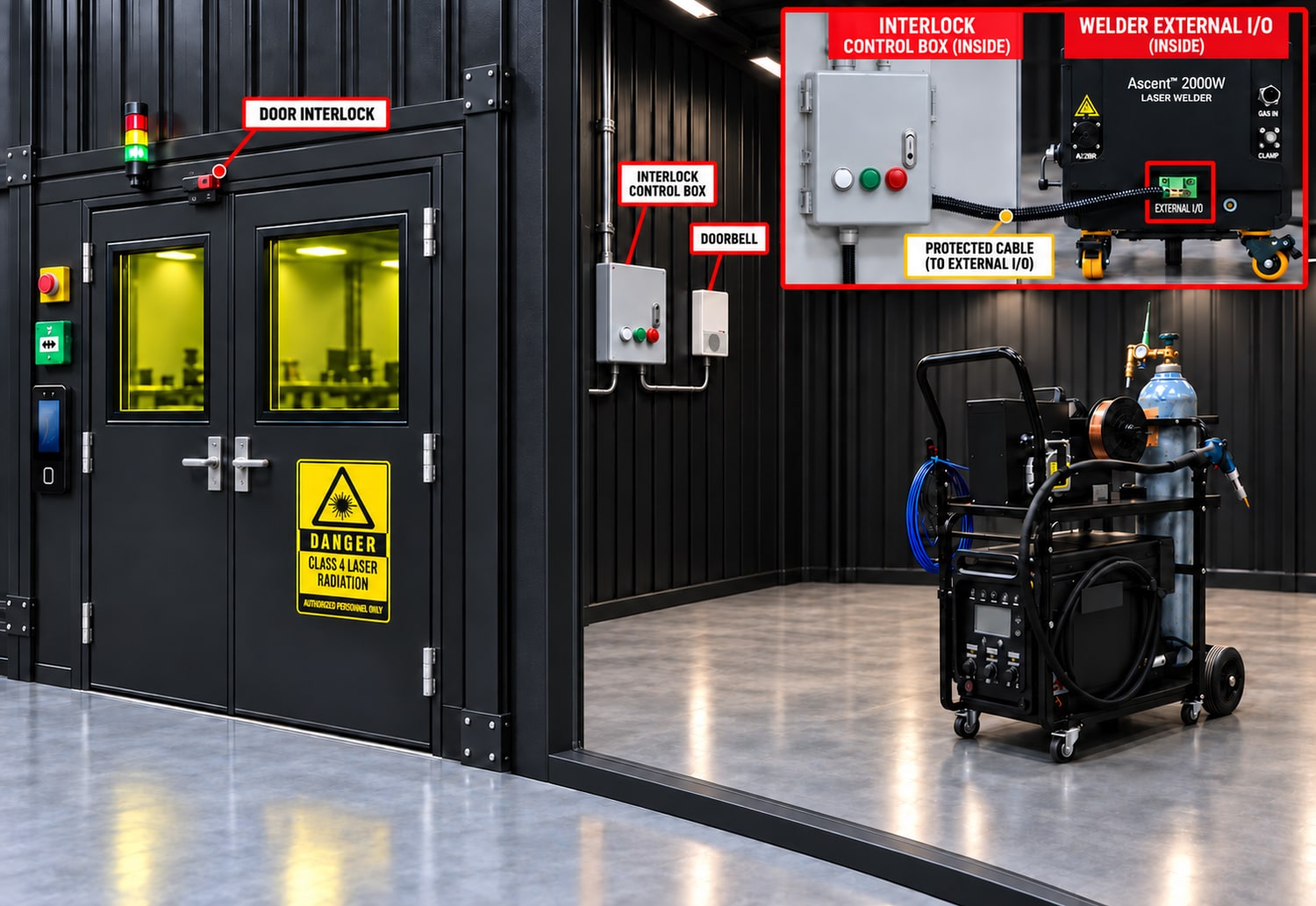
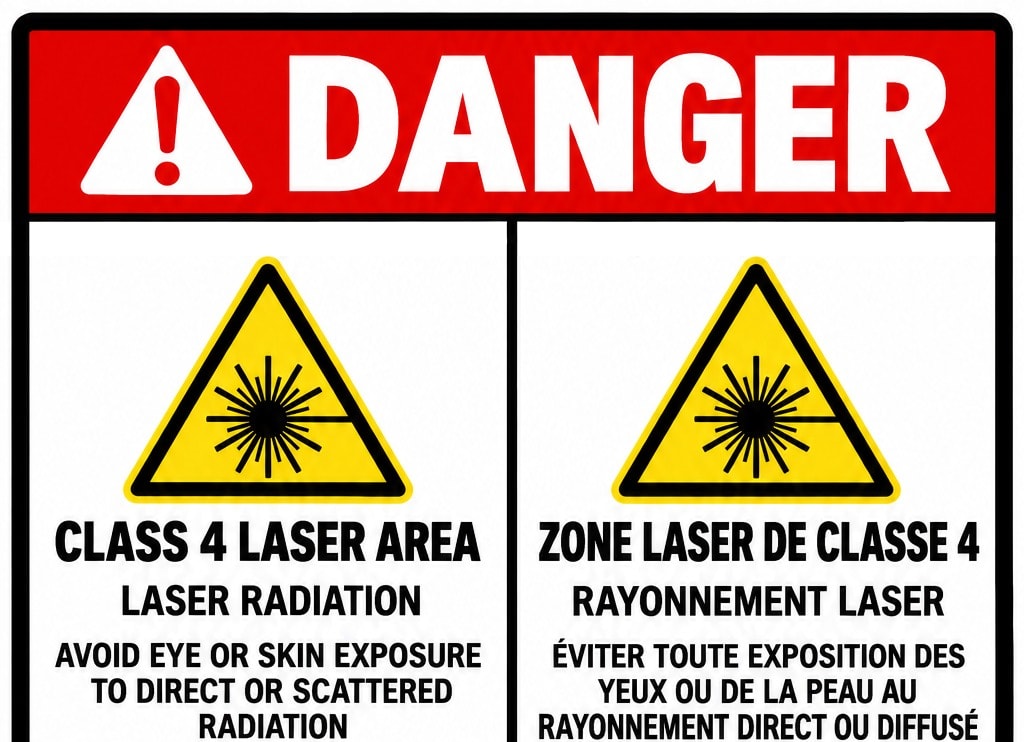
Laser machines are Class 4 lasers. Wear laser safety eyewear, follow the maker's guidelines and keep ventilation adequate. Never bypass a safety interlock. See our laser safety page.

Summary

Troubleshooting is part of owning a laser. Look at power, optics, cooling, software and mechanics, and keep up routine care. Installation and operator training at your facility are included when you buy from Ascent Lasers Pro, along with software updates. Contact us with questions.

FAQs

Q1: How do I know whether my laser is overheating?

Check the cooling system, watch for temperature warnings and look for excess heat near the laser tube or electronics.

Q2: Can I fix lens alignment myself?

Small adjustments and cleaning are usually fine. Follow the manual and use the proper tools.

Q3: How often should I replace the laser tube?

Track operating hours. Replace the tube when the power weakens or the beam flickers.

Q4: What can a combination machine cut?

The CO₂ laser cuts nonmetals such as wood, acrylic and leather, and the fiber laser cuts metals such as steel and aluminum.

Q5: Does Ascent Lasers Pro provide training?

Yes. Installation and operator training at your facility are included in the price.
← All articles
More from Ascent Lasers Pro

Related articles

How to Select a Handheld Laser Cleaning System
How to buy a handheld laser cleaner: describe the job, test on your own parts, look past the wattage, plan fume extraction and compare cost per square foot.
How Laser Technology Empowers Fabricators and Entry-Level Workers
Laser welders let entry-level workers do professional work on routine jobs. What they learn fast, what still takes skill, and what a shop can save.
Buying a Handheld Laser Welder: A Practical Checklist
Cooling, power, wire feeder, wobble head, torch weight, safety and warranty: the points that decide which handheld fiber laser welder fits your shop.
Your First Laser Welder: The Questions That Matter
Material, wattage, handheld or tabletop, pulsed or continuous, cooling, safety gear and quote terms: how to pick a first laser welder without overspending.
Inside the Ascent 2000W Handheld Fiber Laser Welder
What the Ascent 2000W handheld fiber laser welder brings to a shop: refrigerant cooling, a high-speed wobble head, a light torch and a complete kit.
How the Ascent 2000W Refrigeration Laser Welder Compares
The Ascent 2000W refrigeration laser welder next to typical air- and water-cooled handheld welders: cooling, duty cycle, torch weight, running cost and support.
Winning Over a Skeptical MIG or TIG Welder
How to get an experienced MIG or TIG welder to give laser welding a fair try: aluminum, the daily workflow, labor math, safety questions and a test weld.
Up to 4x Faster: What a 2000W Handheld Fiber Laser Welder Offers
Handheld fiber laser welders can travel up to 4x faster than traditional welding. Cooling, torch weight, included gear and what a 2000W machine can weld.
Laser Welding and the Cost of Aluminum Welding Labor
Skilled aluminum TIG welders are expensive and hard to hire. How training a production worker on a laser welder changes the labor math, with wage data.
Fit-Up and Gap Control in Laser Welding
A gap in a laser weld joint is a path for the beam. Fit-up tolerances, joint types, fixturing, copper backing bars and what to do when a gap stays open.
Setting Up a Laser Welding Workstation, Step by Step
Where to put a handheld laser welding station and how to lay it out: table height, safety zone, fume extraction, cables, fixtures and a daily checklist.
Is QCW Safer? Pulsed vs. Continuous Tabletop Laser Welding
QCW pulses put less heat into thin aluminum and stainless than CW, but both are Class 4 lasers. What a CCD camera and an enclosure really add to safety.
QCW Tabletop or 2000W Handheld: Which Laser Welder Fits Your Shop?
The Ascent QCW tabletop and handheld welder versus the 2000W handheld: typical work, heat input, speed, and which kind of shop should buy which.
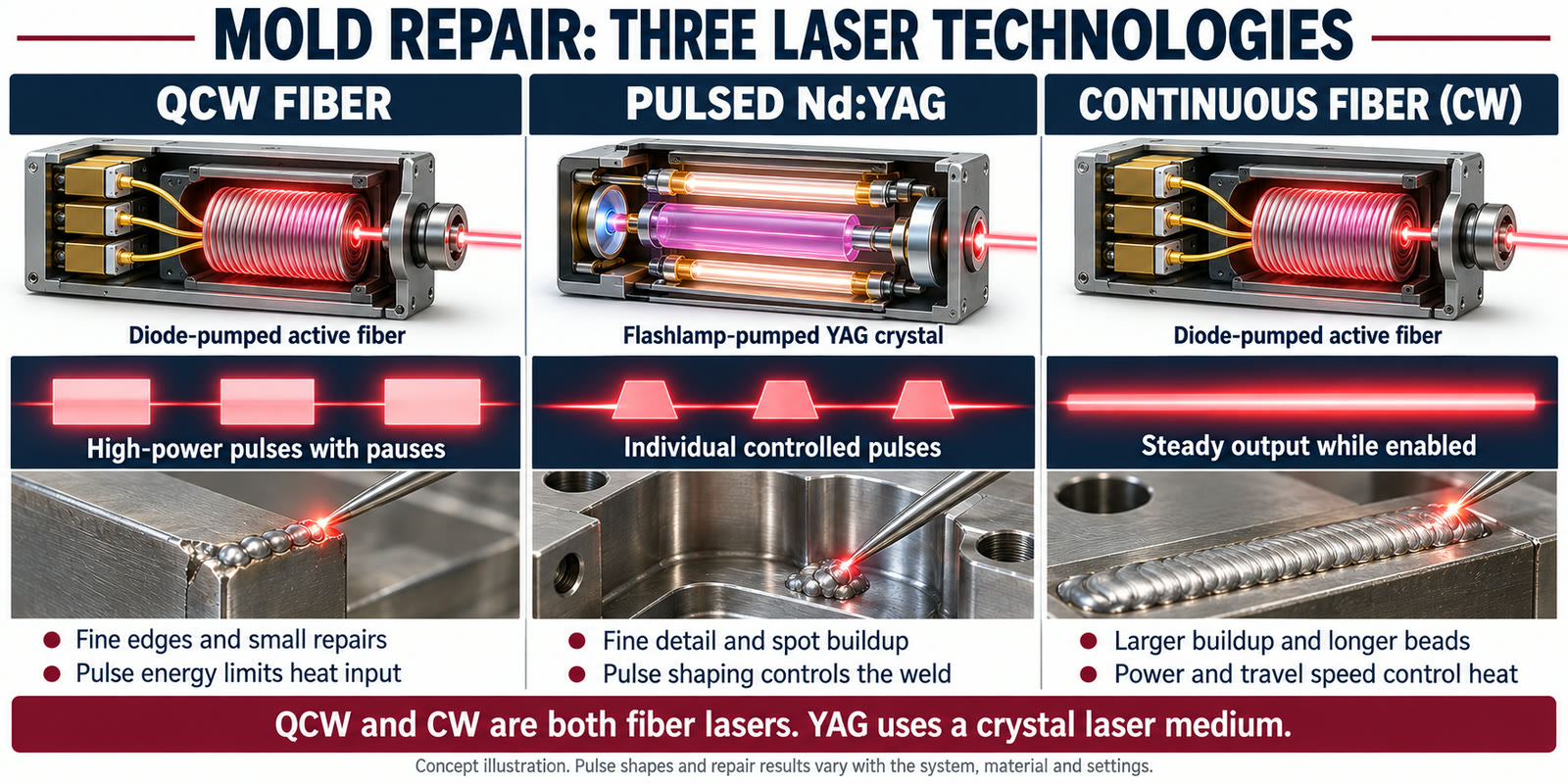
Mold Repair Lasers Compared: QCW Fiber, Pulsed Nd:YAG and Continuous Fiber
QCW fiber, pulsed Nd:YAG and continuous fiber (CW) lasers for mold repair: beam quality, efficiency, peak power on reflective metals, filler wire and heat.
Which Materials Actually Stop a 1070nm Fiber Laser Beam?
Ordinary welding curtains don't stop a 1070nm fiber laser. Which absorbing and reflecting materials work as backing, barriers and beam stops, and which fail.
CO₂ or Fiber Laser Cutter? Match the Laser to the Material
CO₂ or fiber laser cutter? Which materials each one cuts, edge quality, speed, running costs and maintenance, and when it pays to run both.
Consumables for a Dual-Gantry CO₂ and Fiber Laser Cutter
Which parts wear out on the CO₂ and fiber sides of a dual-gantry laser cutter, how often to replace them, what spares to stock and how to budget for them.
CNC Router, CO₂ Laser or Fiber Laser: Choosing by Material
CNC router, CO₂ laser or fiber laser? A material-by-material look at what each machine handles, and where a dual-gantry CO₂ and fiber cutter fits.
How to Choose a Fiber Laser Cleaner: Pulsed vs. CW, Power and Cooling
Pulsed or continuous wave, low or high power, air or water cooling? What laser cleaners remove, the specs that matter, red flags and what to ask a supplier.
Class 4 Laser Regulations in Canada
Class 4 lasers in Canada: Health Canada product rules, bilingual labels, provincial workplace law, Alberta registration and what to ask for before you buy.
How Can a 300W Laser Cutter Improve Metal Fabrication?
How a 300W CO₂ laser cutter supports a metal fabrication shop by cutting acrylic templates, panels and prototypes while the metal machines stay on metal.

Talk to a laser specialist about your welding or cutting job

Contact us