
A clean cut depends on a machine that gets regular care. For a workshop that relies on a metal laser cutting machine, maintenance is a habit that protects accuracy, saves money and avoids sudden downtime. This guide gives practical tips that a new operator can follow.
Why regular maintenance matters
Cutting machines work hard. They face heat, dust, vibration and long hours, and small problems grow into expensive ones. Routine care helps you:
- Keep cuts clean and accurate
- Extend the life of the machine
- Reduce repair costs
- Improve safety
Daily visual checks
A few minutes before work starts can prevent trouble later:
- Look for loose bolts or covers.
- Check cables for wear.
- Watch for oil or air leaks.
- Listen for unusual sounds.
When something seems off, stop early.
Keep the cutting area clean
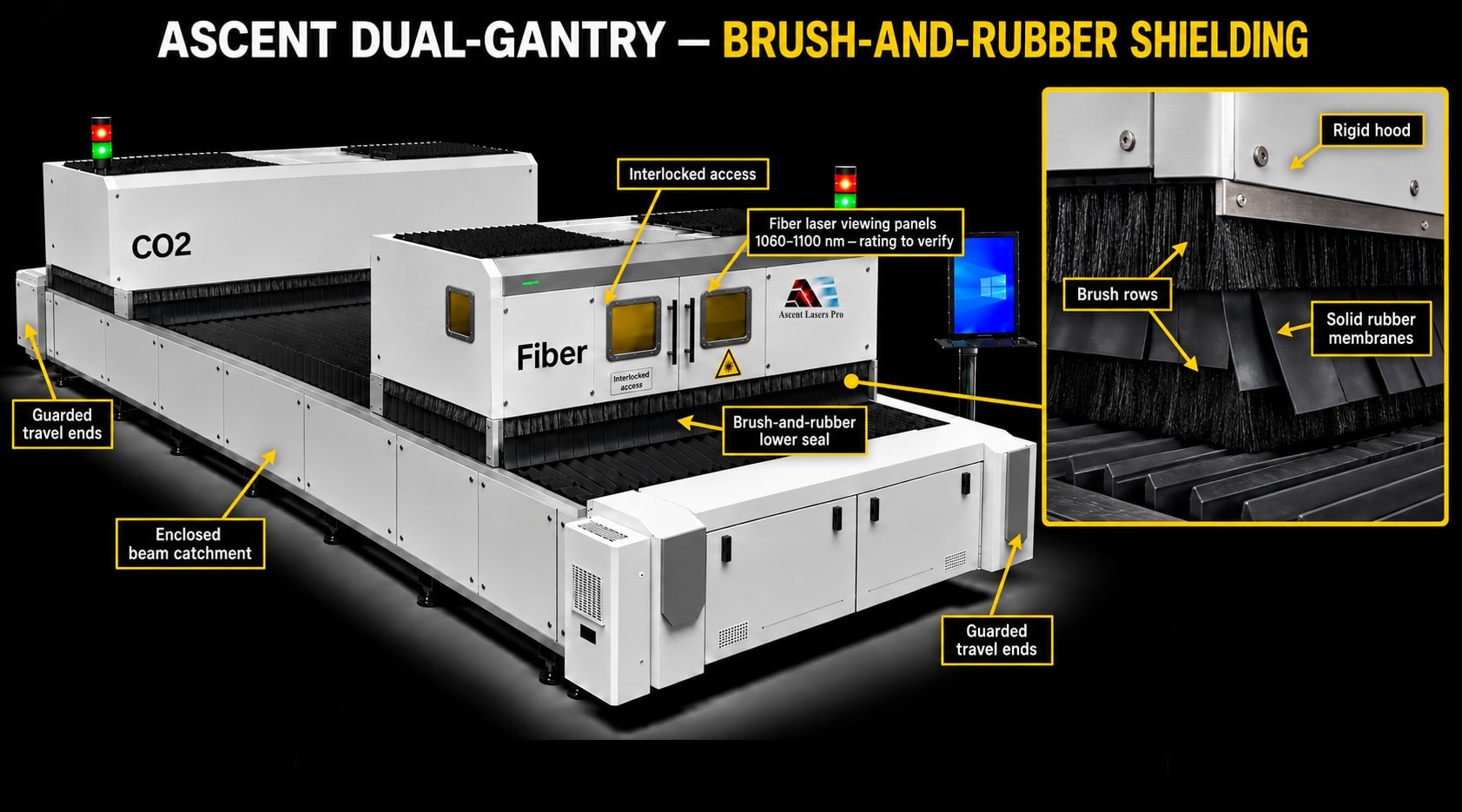
Metal dust and scrap build up fast. They can block airflow, affect sensors and damage moving parts. Clean daily: wipe the worktable, remove scrap after each job, clean rails and guides gently, and avoid harsh cleaners on sensitive parts.
The cutting head and optics
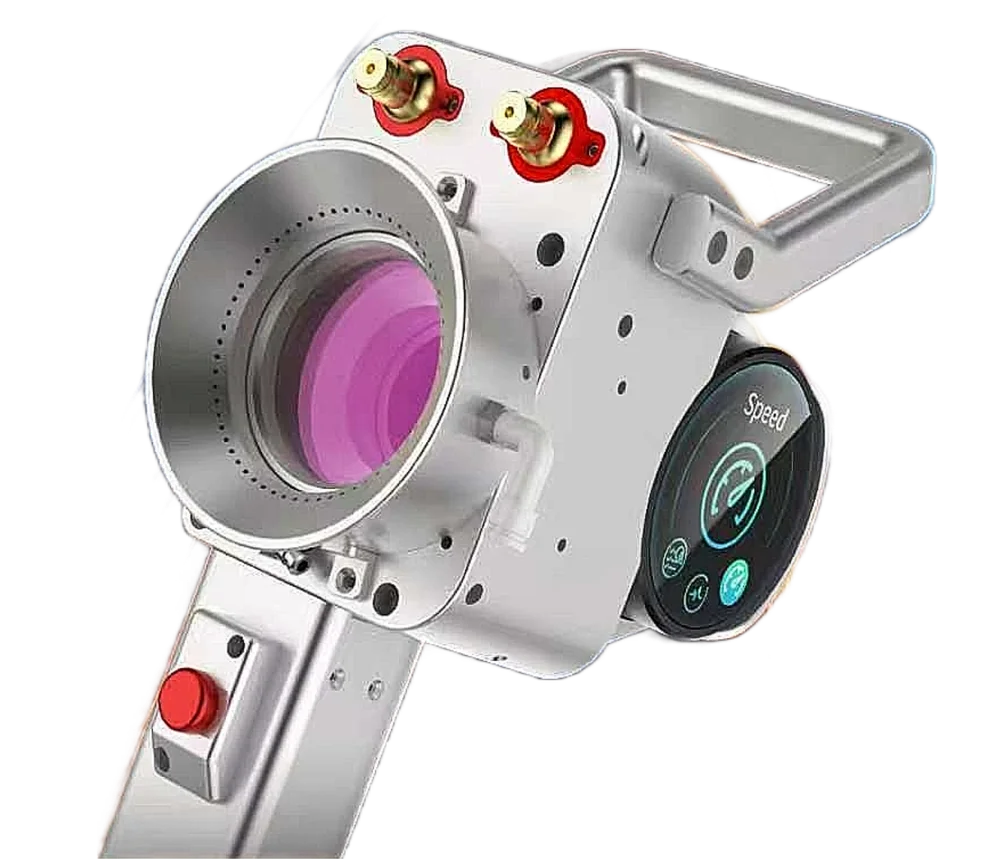
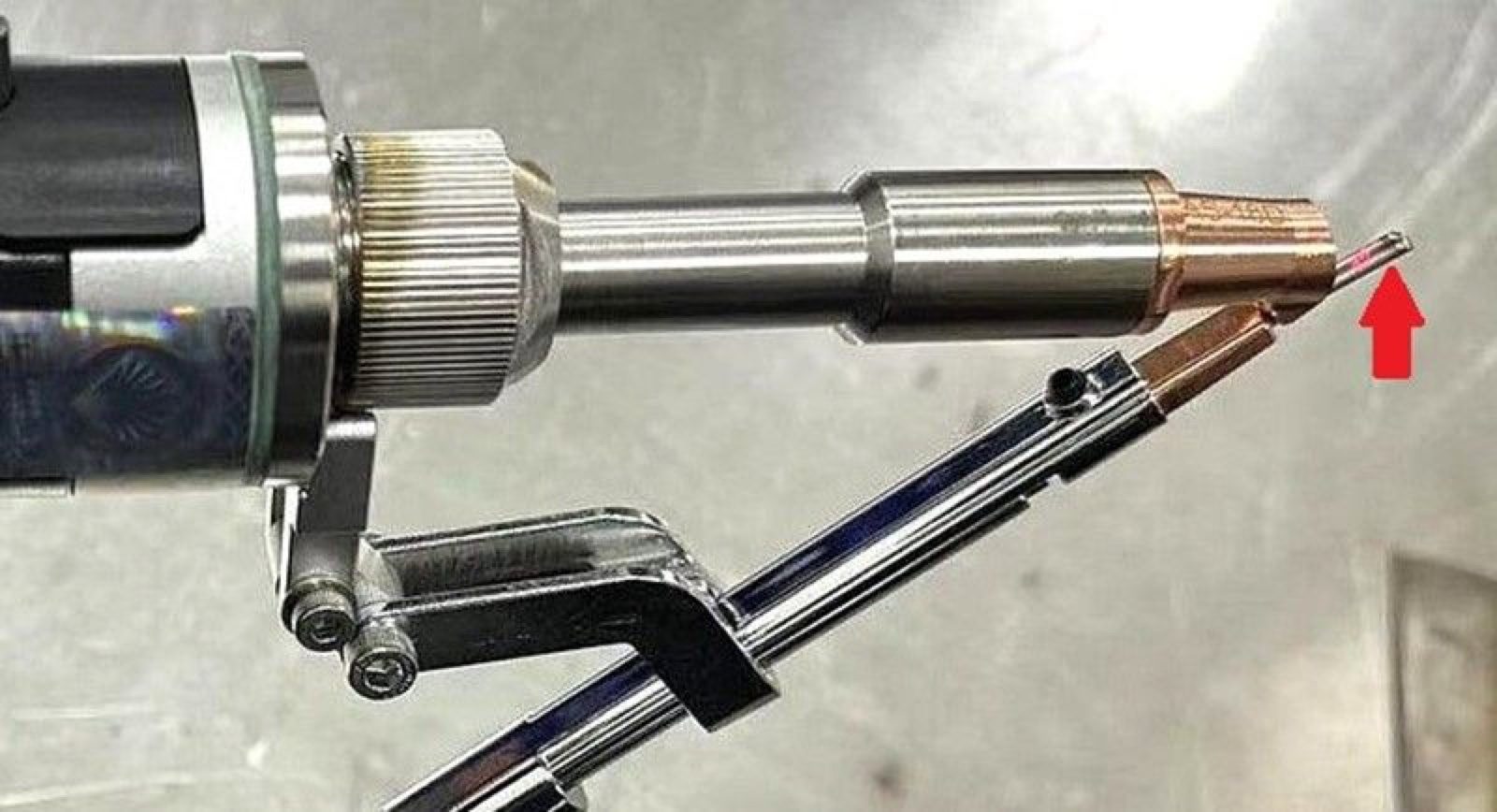
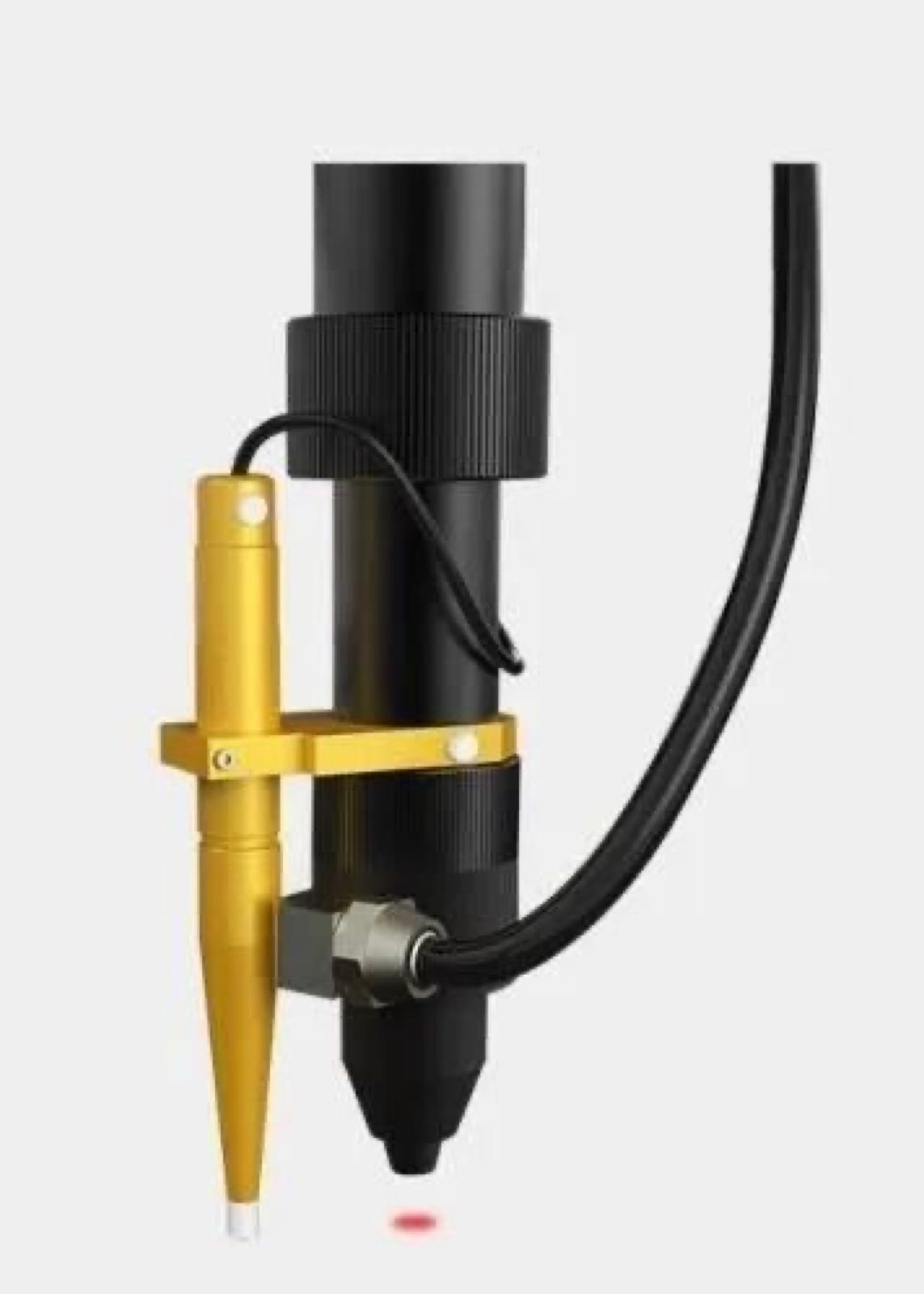
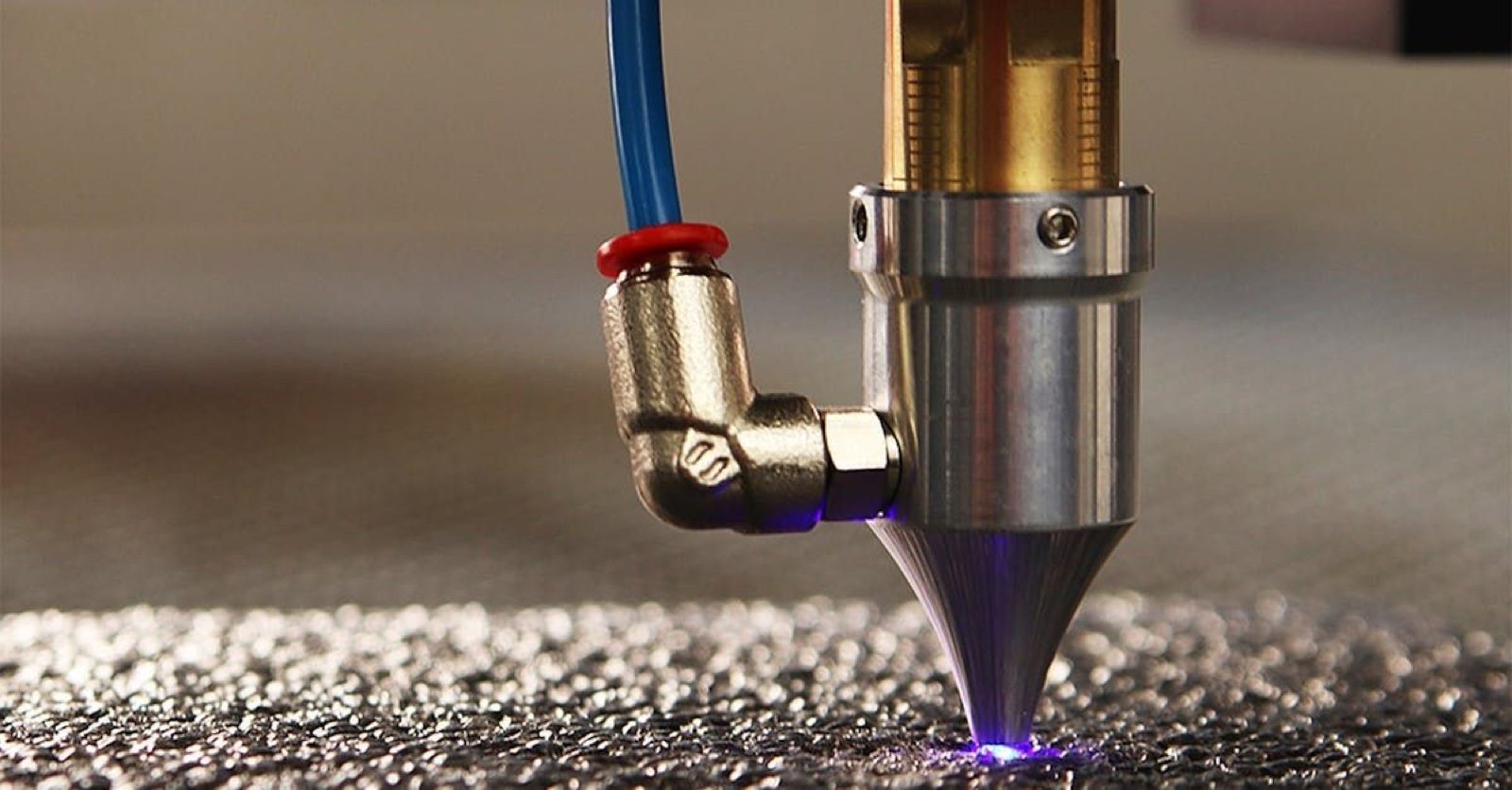
Dirt on a lens or nozzle reduces beam quality. Clean lenses with approved wipes, check the nozzle alignment, replace worn nozzles early and do not touch optics with bare hands. Clean optics give sharper cuts and less rework.
Lubrication
Moving parts need the right lubrication. Follow the machine manual and use only the recommended oil or grease. Parts that often need it include linear guides, bearings, lead screws and drive systems.
Cooling and ventilation
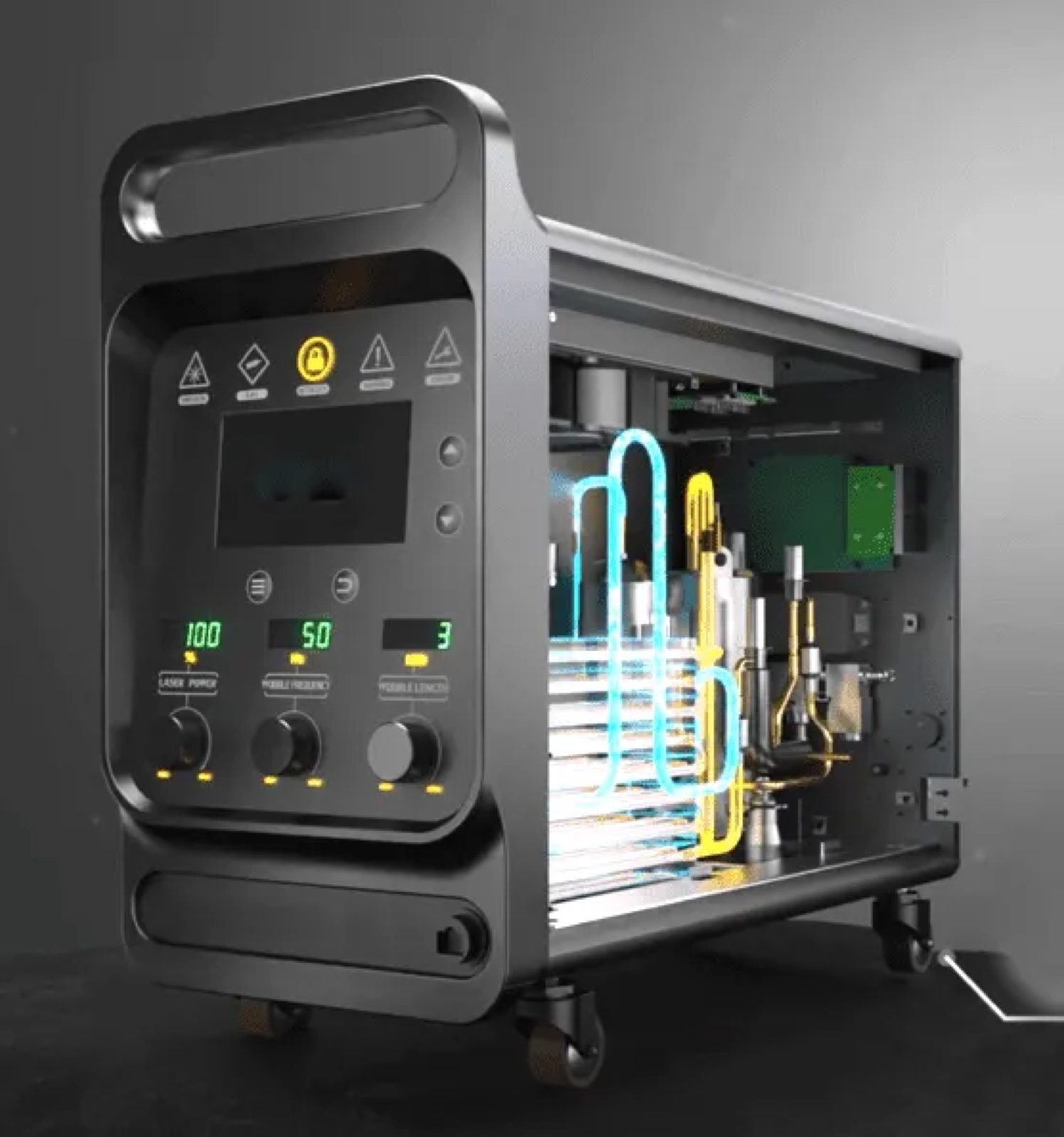
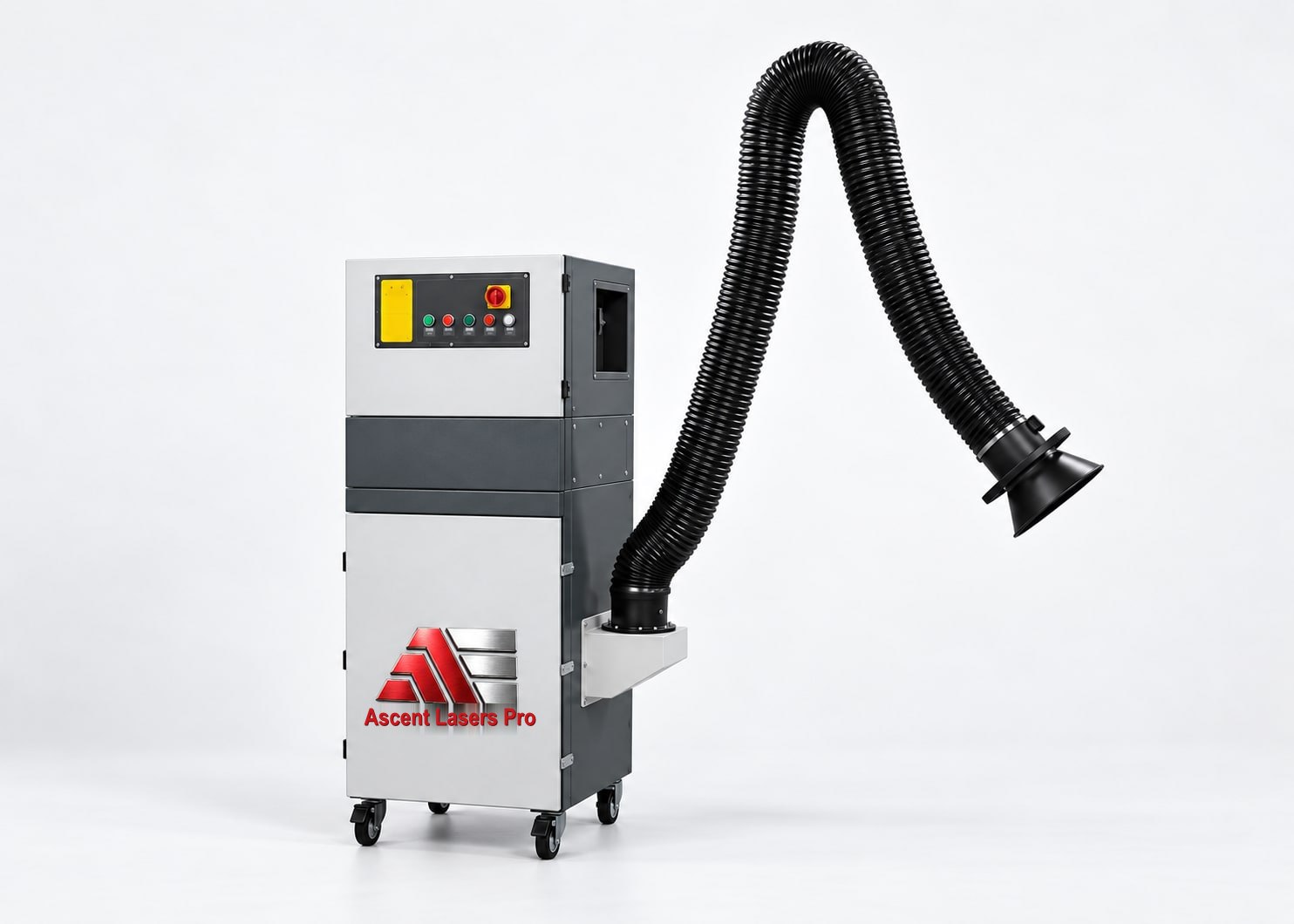
Heat control protects the electronics and the cut quality. Clean air filters weekly, check that fans work, keep vents clear and watch temperature readings. Blocked airflow causes overheating.
Electrical connections
Loose wires and worn connectors can cause sudden stops. Inspect connectors, tighten loose terminals, keep panels free of dust and report flickering displays.
Software and controls
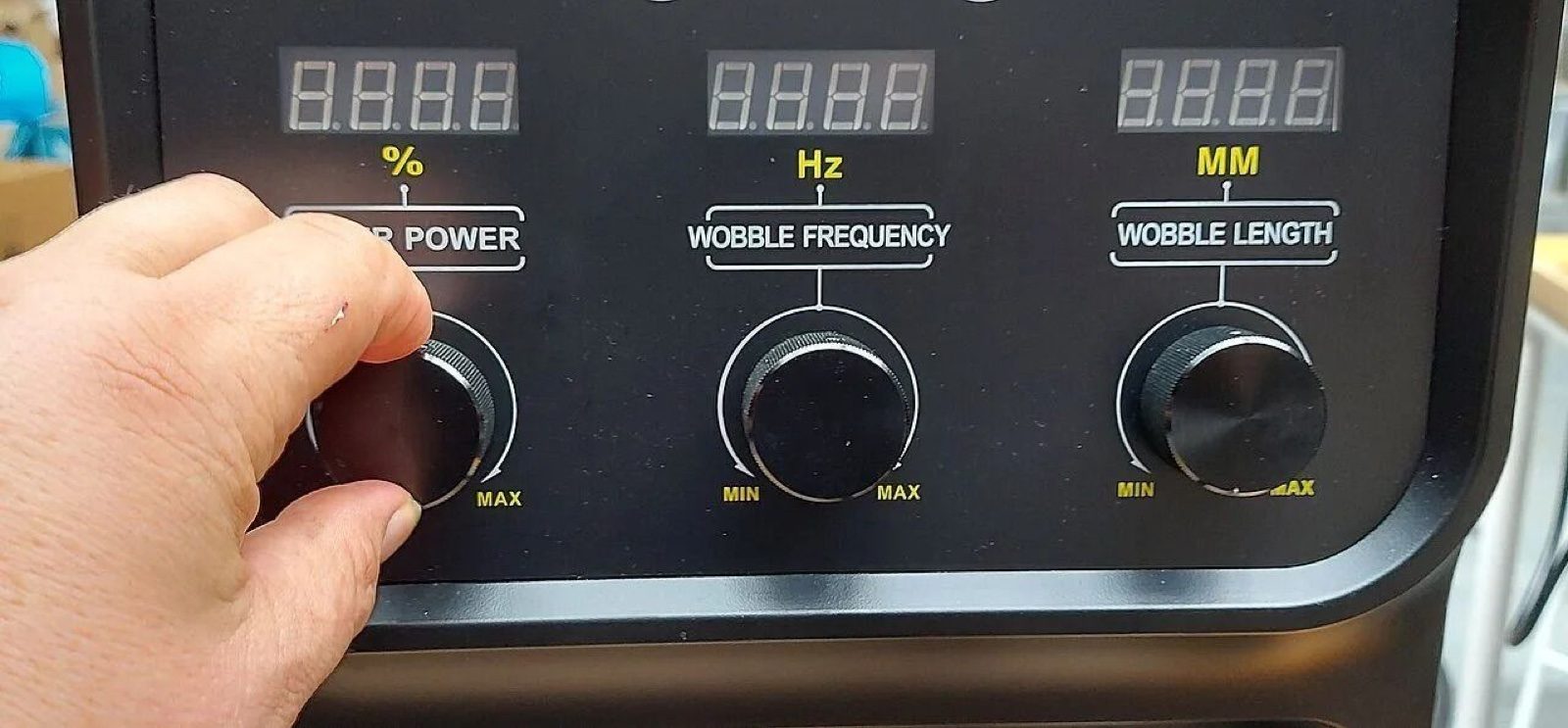
Install updates from trusted sources, back up machine settings, check error logs often and train staff on basic controls. Out-of-date software can cause errors.
Material handling
Poor loading strains motors and guides. Use proper supports, align material carefully, do not drag sheets, and remove burrs before loading. Heavy sheets should sit flat and balanced. Good handling protects the machine's alignment.
Weekly and monthly tasks
Weekly: deep clean the work area, check belts and chains, and test the safety features.
Monthly: inspect the drive systems, check calibration and review the maintenance log.
A simple checklist keeps these on track.
Train operators to spot warning signs
Machines usually give clues before they fail: slower cutting, rough edges, unusual vibration and error messages. Teach operators to report them early.
Keep a maintenance log
Record cleaning dates, part replacements, software updates and problems you find. A log helps you see patterns, plan ahead and support warranty claims.
Read also: How a metal laser cutting machine supports volume production and prototyping
Maintained and neglected machines
| Aspect | Well-maintained machine | Poorly maintained machine |
|---|---|---|
| Cut quality | Clean and precise | Rough and uneven |
| Downtime | Rare | Frequent |
| Repair cost | Lower | Higher |
| Safety | Stronger | Riskier |
| Lifespan | Longer | Shorter |
Final thoughts
Clean parts, regular lubrication and trained operators make daily work smoother. A metal laser cutting machine performs best when care is routine and not a reaction to a problem. Ascent provides installation and operator training at your facility, free software updates and remote diagnostics. Contact Ascent Lasers Pro to keep your machine running well. For a guide to the fiber laser cutter specifically, see maintenance tips for a CNC laser cutter.
FAQs
Q1: How often should I clean my cutting machine?
Clean surfaces daily and do a deeper clean each week.
Q2: Can poor maintenance affect cut accuracy?
Yes. Dirt, wear and misalignment all reduce precision.
Q3: Do software updates matter?
Yes. They improve stability and fix known issues.
Q4: How long does a well-maintained machine last?
With proper care, many machines work well for years. The life depends on the machine and how hard you use it.
Q5: Should operators handle basic maintenance?
Yes. Cleaning and simple checks fit into the daily routine.