
Call us: 1-800-927-5107 647-494-7800 ext. 1008

Will Cooling System Failures Impact CNC Fiber Laser Accuracy?

If you run a CNC fiber laser cutter, you know how much every part of the machine counts toward a precise, clean cut. A cooling failure may seem like a small problem, but it can affect accuracy a lot. This article explains how and what to do about it.

Why cooling matters

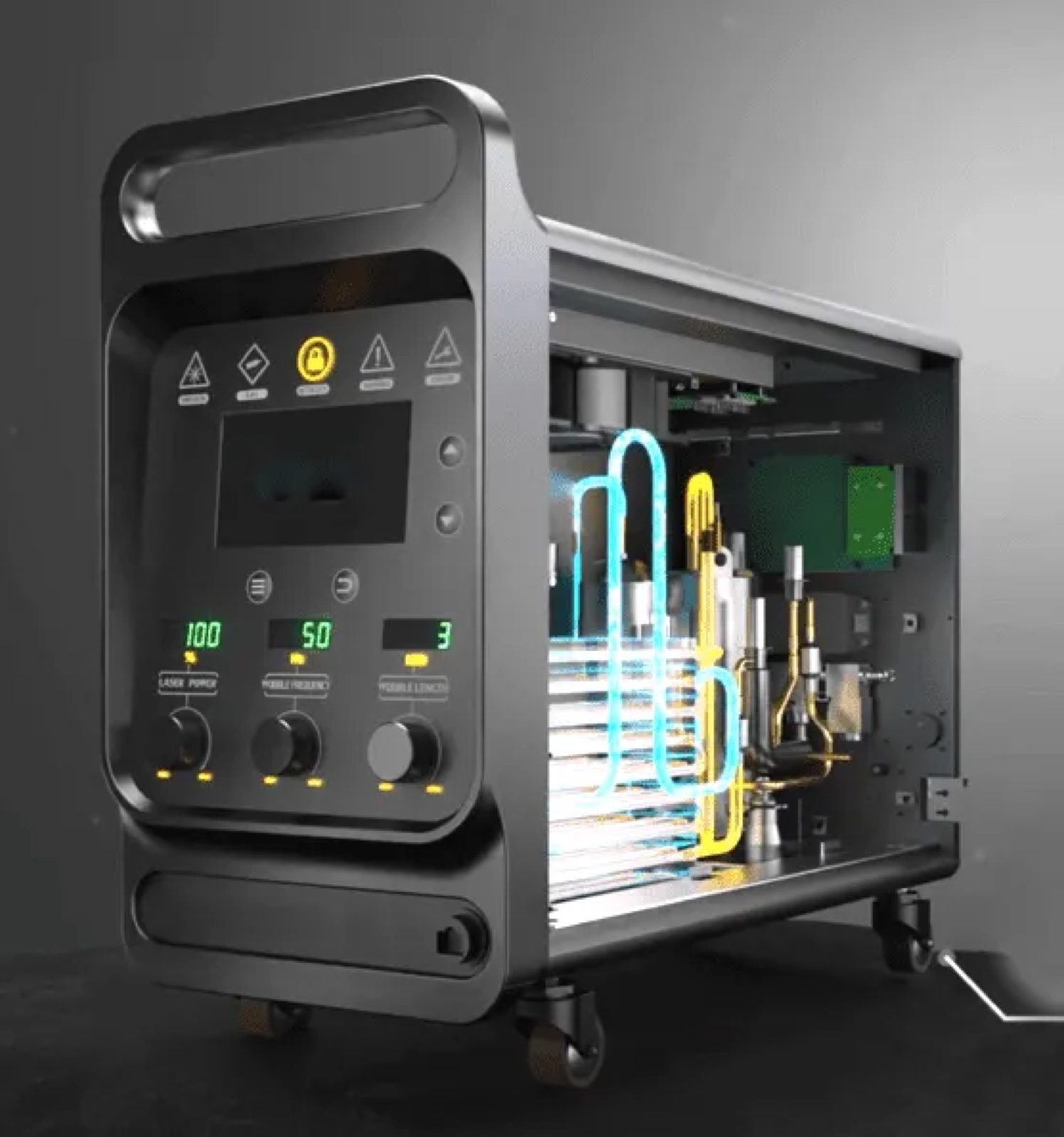
A CNC fiber laser runs at high power to cut metal, and that makes a lot of heat. The cooling system keeps the laser and the machine's internal parts at a stable temperature. When cooling fails or runs poorly, heat builds up, which can mean poor cut quality, inaccurate cuts or permanent damage. The Ascent fiber cutter comes with water cooling.

Read also: How to choose the right CNC fiber laser cutter for long-term business growth

How a cooling failure affects accuracy

  1. Inconsistent laser performance. Overheating leads to uneven cuts and poor quality, and it means more adjustments and more downtime.
  2. Lower cutting speed. Without proper cooling, the laser may have to run at lower power, which slows cutting and raises cost.
  3. Damage to sensitive parts. Excess heat can damage the laser head, optics and electronics.
  4. A shorter machine life. Repeated cooling failures wear parts out faster.

Signs of trouble

  • Overheating warnings. Many machines have temperature sensors that alert you. Treat the warning seriously.
  • Poor cut quality. Inconsistent cuts or warping can point to a cooling problem.
  • Frequent shutdowns. A machine that keeps stopping to protect itself needs its cooling checked.
  • Noise or leaks. Unusual sounds, vibration or coolant around the chiller are warnings.

Looking after the cooling system

Most cooling problems can be prevented with regular care.

  1. Check coolant levels. Low coolant means inadequate cooling and overheating.
  2. Clean the components. Dust and debris reduce effectiveness. Clean the fans, filters and tank.
  3. Watch the temperature readings. If the temperature rises, find out why right away.
  4. Use the right coolant. Use the coolant the manufacturer specifies, and replace it as directed. Poor coolant breaks down and cools less well.

If a failure happens

Switch the machine off to stop further overheating. Check the coolant level and look for leaks or blockages. If everything seems normal and the problem remains, call a technician before it does lasting damage. Ascent supports its customers with remote diagnostics, and technicians are based in Buffalo, Toronto and Kentucky.

The bottom line

A cooling failure can hurt the accuracy and performance of a CNC fiber laser cutter, and regular care prevents most of them. For help with a cutter or with choosing one, contact Ascent Lasers Pro. Installation and operator training at your facility are included in the price of every machine.

Read also: How small businesses can benefit from laser engraving

FAQs

Q1: What happens if the cooling system in my fiber laser fails?

The laser source and internal parts can overheat quickly. That can reduce cutting speed, spoil cut quality and damage critical parts. Act at once to avoid expensive repairs.

Q2: How often should I check the cooling system?

Follow the manufacturer's schedule. A regular check of coolant level, filters and connections is a good habit, and a machine that runs daily or under heavy loads should be checked more often.

Q3: Can the laser still run with a low coolant level?

It may keep running for a short time, but low coolant raises the risk of overheating and can damage the laser head, power source and other parts. Keep coolant at the proper level.

Q4: What are the signs that the cooling system needs maintenance?

Temperature alarms, unusual sounds from the chiller, coolant leaks or inconsistent cutting. Deal with them promptly.

Q5: How can I extend the life of a fiber laser?

Do regular preventive maintenance: keep the cooling system clean, check coolant quality and level, replace worn parts and follow the manufacturer's service guidance.

← All articles
More from Ascent Lasers Pro

Related articles

How to Select a Handheld Laser Cleaning System
How to buy a handheld laser cleaner: describe the job, test on your own parts, look past the wattage, plan fume extraction and compare cost per square foot.
How Laser Technology Empowers Fabricators and Entry-Level Workers
Laser welders let entry-level workers do professional work on routine jobs. What they learn fast, what still takes skill, and what a shop can save.
Buying a Handheld Laser Welder: A Practical Checklist
Cooling, power, wire feeder, wobble head, torch weight, safety and warranty: the points that decide which handheld fiber laser welder fits your shop.
Your First Laser Welder: The Questions That Matter
Material, wattage, handheld or tabletop, pulsed or continuous, cooling, safety gear and quote terms: how to pick a first laser welder without overspending.
Inside the Ascent 2000W Handheld Fiber Laser Welder
What the Ascent 2000W handheld fiber laser welder brings to a shop: refrigerant cooling, a high-speed wobble head, a light torch and a complete kit.
How the Ascent 2000W Refrigeration Laser Welder Compares
The Ascent 2000W refrigeration laser welder next to typical air- and water-cooled handheld welders: cooling, duty cycle, torch weight, running cost and support.
Winning Over a Skeptical MIG or TIG Welder
How to get an experienced MIG or TIG welder to give laser welding a fair try: aluminum, the daily workflow, labor math, safety questions and a test weld.
Up to 4x Faster: What a 2000W Handheld Fiber Laser Welder Offers
Handheld fiber laser welders can travel up to 4x faster than traditional welding. Cooling, torch weight, included gear and what a 2000W machine can weld.
Laser Welding and the Cost of Aluminum Welding Labor
Skilled aluminum TIG welders are expensive and hard to hire. How training a production worker on a laser welder changes the labor math, with wage data.
Fit-Up and Gap Control in Laser Welding
A gap in a laser weld joint is a path for the beam. Fit-up tolerances, joint types, fixturing, copper backing bars and what to do when a gap stays open.
Setting Up a Laser Welding Workstation, Step by Step
Where to put a handheld laser welding station and how to lay it out: table height, safety zone, fume extraction, cables, fixtures and a daily checklist.
Is QCW Safer? Pulsed vs. Continuous Tabletop Laser Welding
QCW pulses put less heat into thin aluminum and stainless than CW, but both are Class 4 lasers. What a CCD camera and an enclosure really add to safety.
QCW Tabletop or 2000W Handheld: Which Laser Welder Fits Your Shop?
The Ascent QCW tabletop and handheld welder versus the 2000W handheld: typical work, heat input, speed, and which kind of shop should buy which.
Mold Repair Lasers Compared: QCW Fiber, Pulsed Nd:YAG and Continuous Fiber
QCW fiber, pulsed Nd:YAG and continuous fiber (CW) lasers for mold repair: beam quality, efficiency, peak power on reflective metals, filler wire and heat.
Which Materials Actually Stop a 1070nm Fiber Laser Beam?
Ordinary welding curtains don't stop a 1070nm fiber laser. Which absorbing and reflecting materials work as backing, barriers and beam stops, and which fail.
CO₂ or Fiber Laser Cutter? Match the Laser to the Material
CO₂ or fiber laser cutter? Which materials each one cuts, edge quality, speed, running costs and maintenance, and when it pays to run both.
Consumables for a Dual-Gantry CO₂ and Fiber Laser Cutter
Which parts wear out on the CO₂ and fiber sides of a dual-gantry laser cutter, how often to replace them, what spares to stock and how to budget for them.
CNC Router, CO₂ Laser or Fiber Laser: Choosing by Material
CNC router, CO₂ laser or fiber laser? A material-by-material look at what each machine handles, and where a dual-gantry CO₂ and fiber cutter fits.
How to Choose a Fiber Laser Cleaner: Pulsed vs. CW, Power and Cooling
Pulsed or continuous wave, low or high power, air or water cooling? What laser cleaners remove, the specs that matter, red flags and what to ask a supplier.
Class 4 Laser Regulations in Canada
Class 4 lasers in Canada: Health Canada product rules, bilingual labels, provincial workplace law, Alberta registration and what to ask for before you buy.
How Can a 300W Laser Cutter Improve Metal Fabrication?
How a 300W CO₂ laser cutter supports a metal fabrication shop by cutting acrylic templates, panels and prototypes while the metal machines stay on metal.

Talk to a laser specialist about your welding or cutting job

Contact us