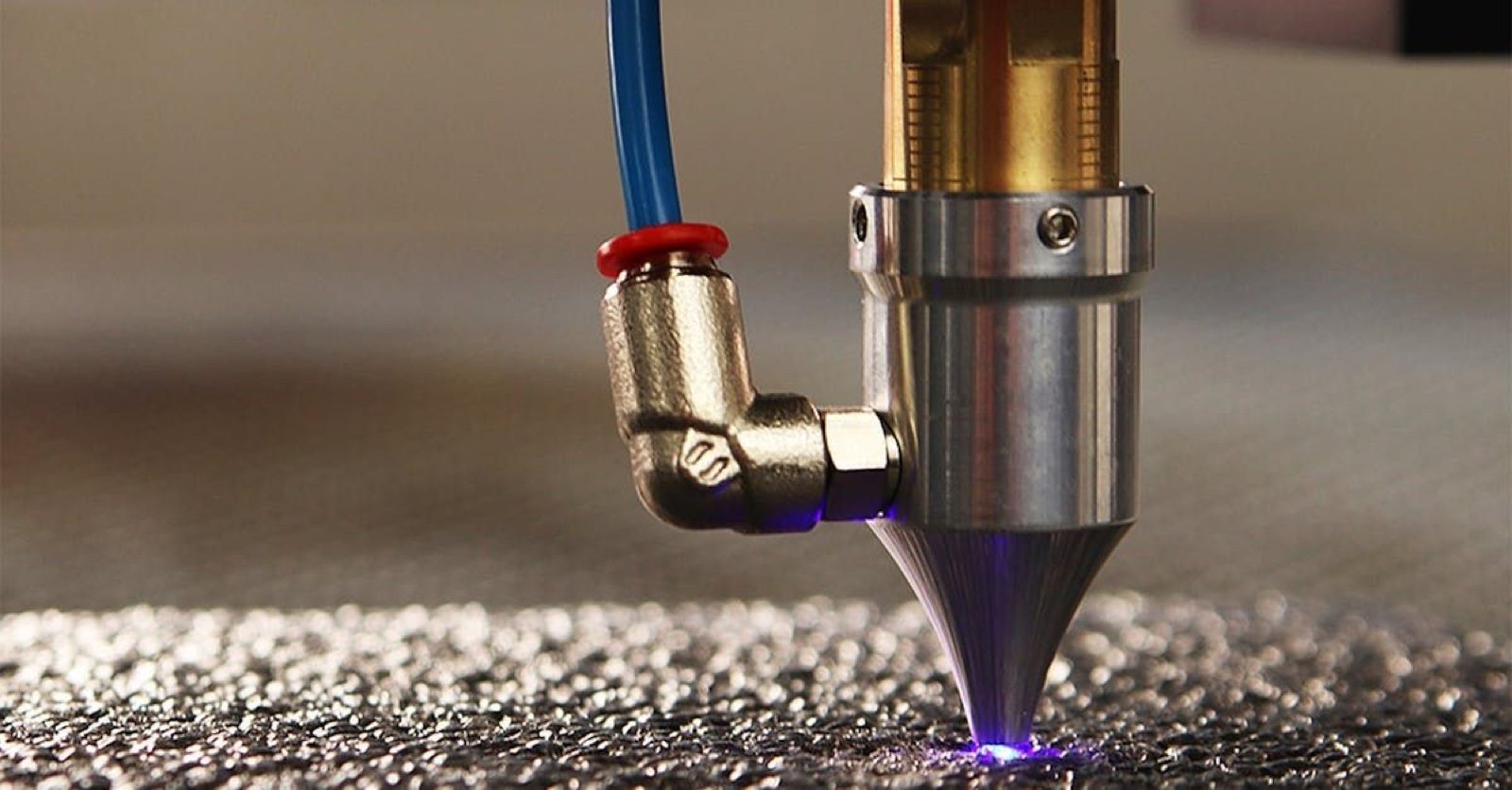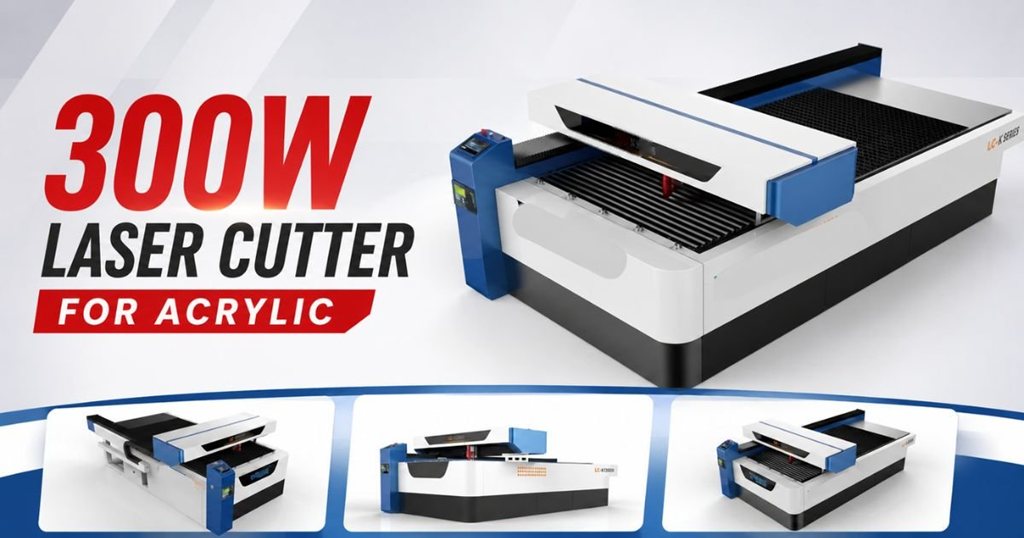

A CNC fiber laser cutter is a purchase that shapes your shop for years. It affects output, quality and cost every day it runs. This guide covers what to look at so the machine you buy still fits your work as the business grows.
Start with your goals
Every shop is different. Some do custom jobs, others run batches. Before you compare machines, decide what growth means for you:
- Will you cut thicker metal later?
- Will your volume go up next year?
- Do you want to add other services?
The answers keep you from buying more machine than you need, or less. A CNC fiber laser cutter should match where your business is headed, not only where it is today.
Know your materials
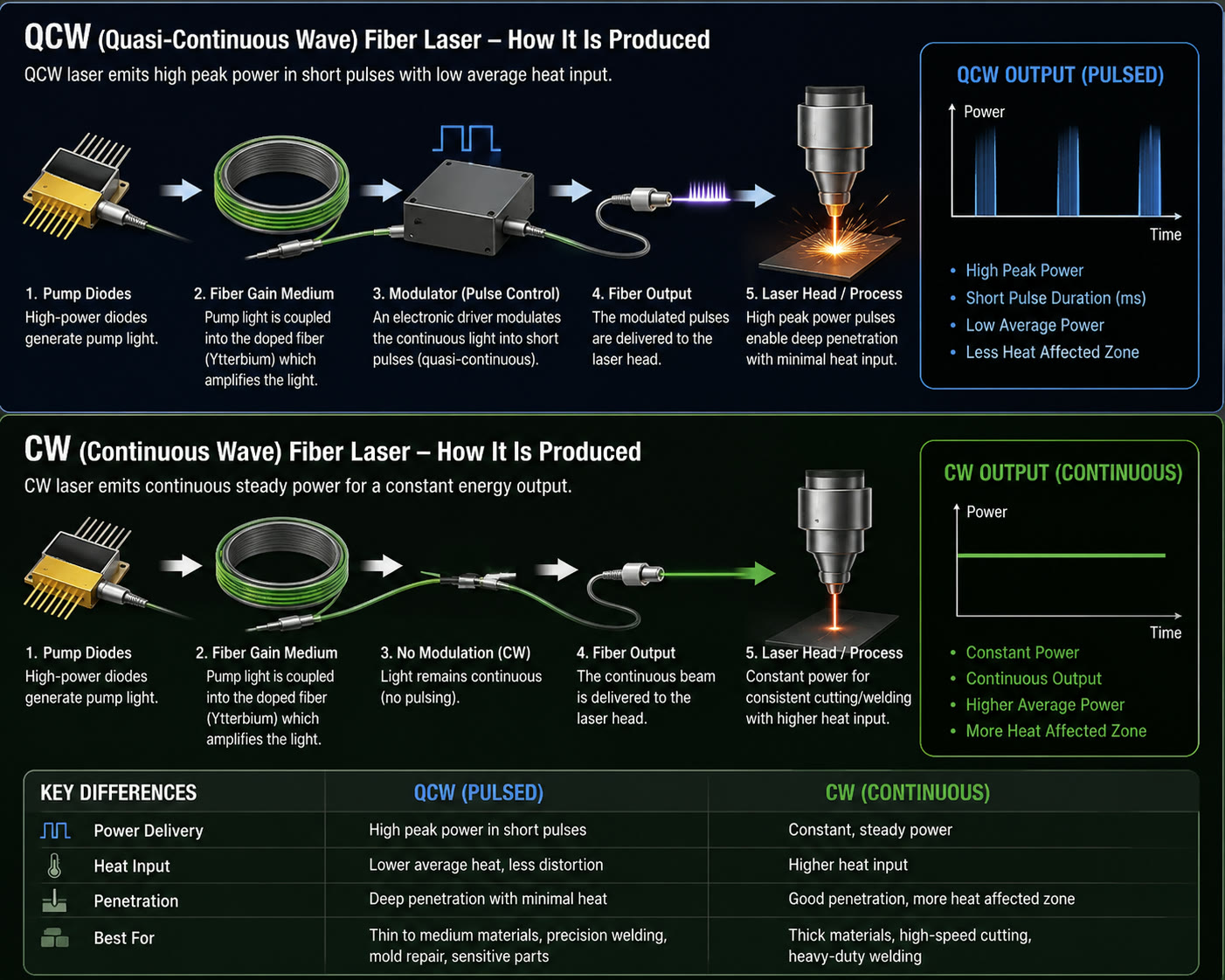
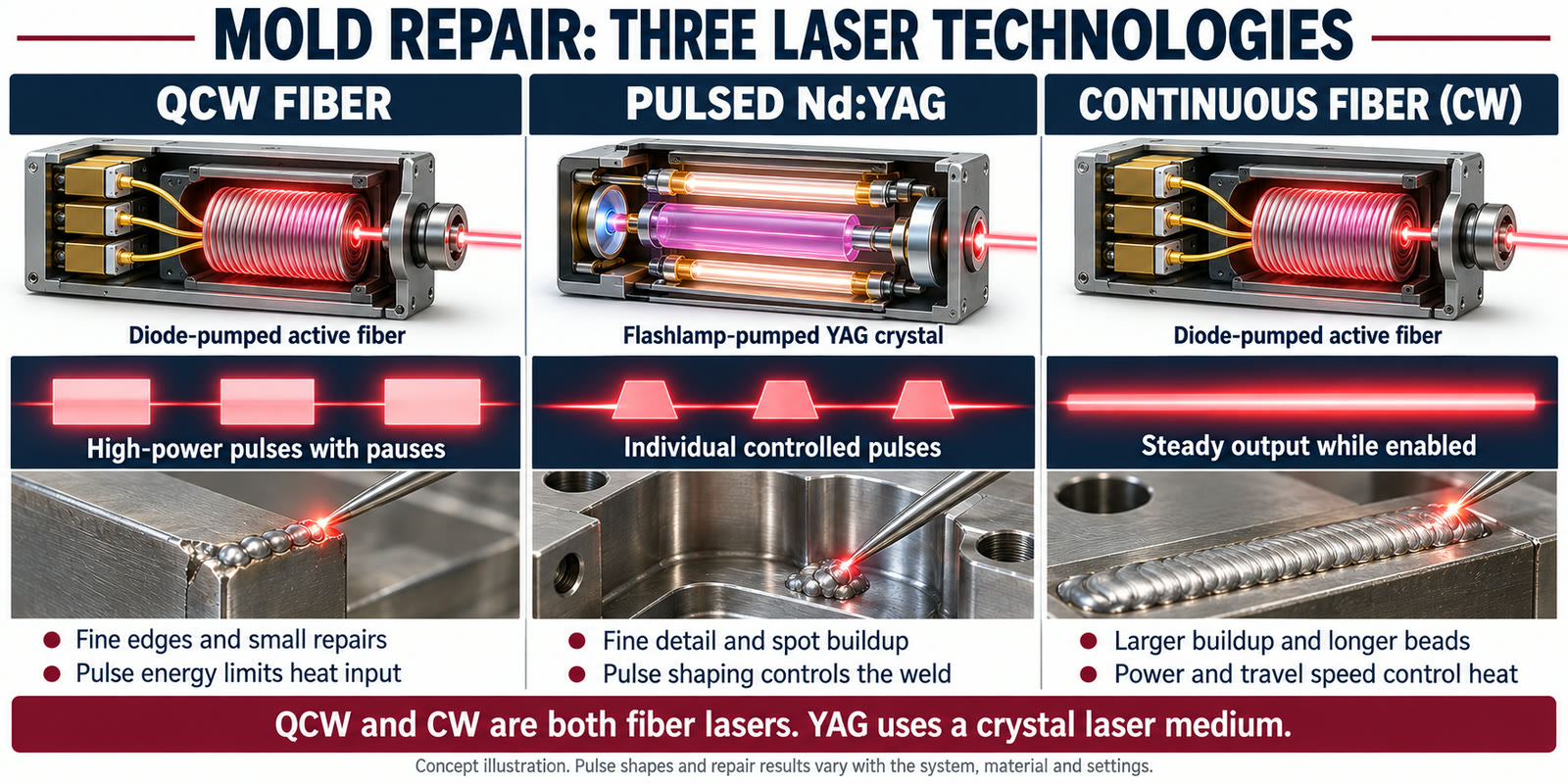
Material and thickness decide what you need. Steel, stainless steel, aluminum, brass and copper all behave differently under a laser. Thin sheet calls for speed and good control. Thick plate calls for stable power and a strong motion system. If you cut a mix of metals, look for adjustable power settings and a stable CNC control.
Read also: Which laser works best for cutting metals in small businesses?
Choose laser power with room to grow
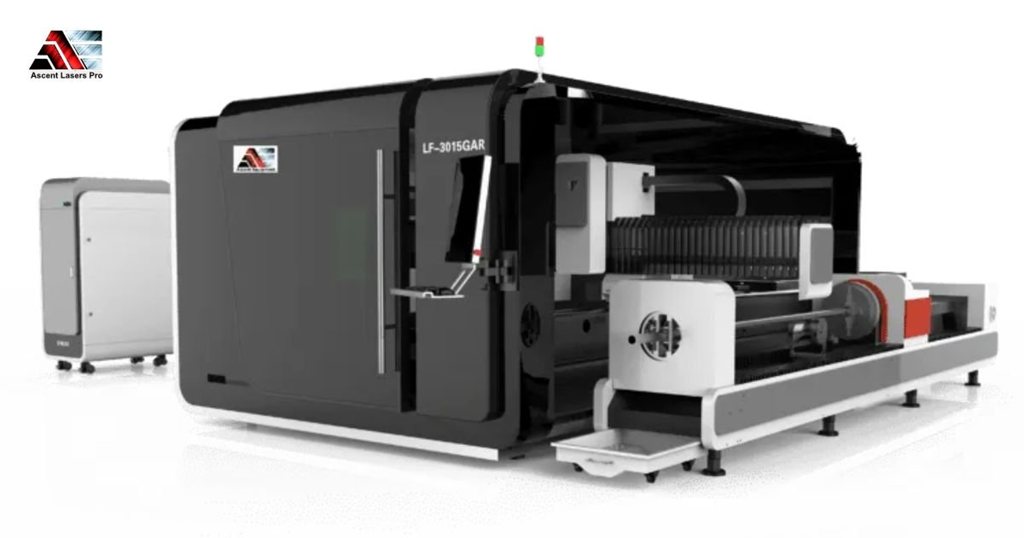
Higher power cuts faster and handles thicker material. Lower power suits thin sheet and lighter work. The Ascent fiber laser cutter comes with a 3000W or 4000W source, and its table shows the maximum thickness for each metal at each power. Check that table against your real jobs. If you expect heavier work later, a higher power gives you headroom.
The control system
The CNC controller sets how well the machine moves, how accurately it cuts and how repeatable the results are. Good control software offers easy job setup, smooth file import, nesting and stable motion paths. Those features save time on every job and reduce operator errors.
Accuracy and repeatability
One good cut is not enough. You need thousands of identical ones. Look for a rigid frame, quality guides and a stable drive. The Ascent cutter lists a positioning accuracy of ±0.05 mm and a repeated positioning accuracy of ±0.02 mm.
Speed and efficiency
Speed sets turnaround time, but it has to stay balanced with cut quality. If control is poor at high speed, you get burrs, heat marks and uneven edges. The Ascent cutter has a maximum speed of 130 m/min, and a shuttle table lets the operator load the next sheet while one is being cut.
Safety and ease of use
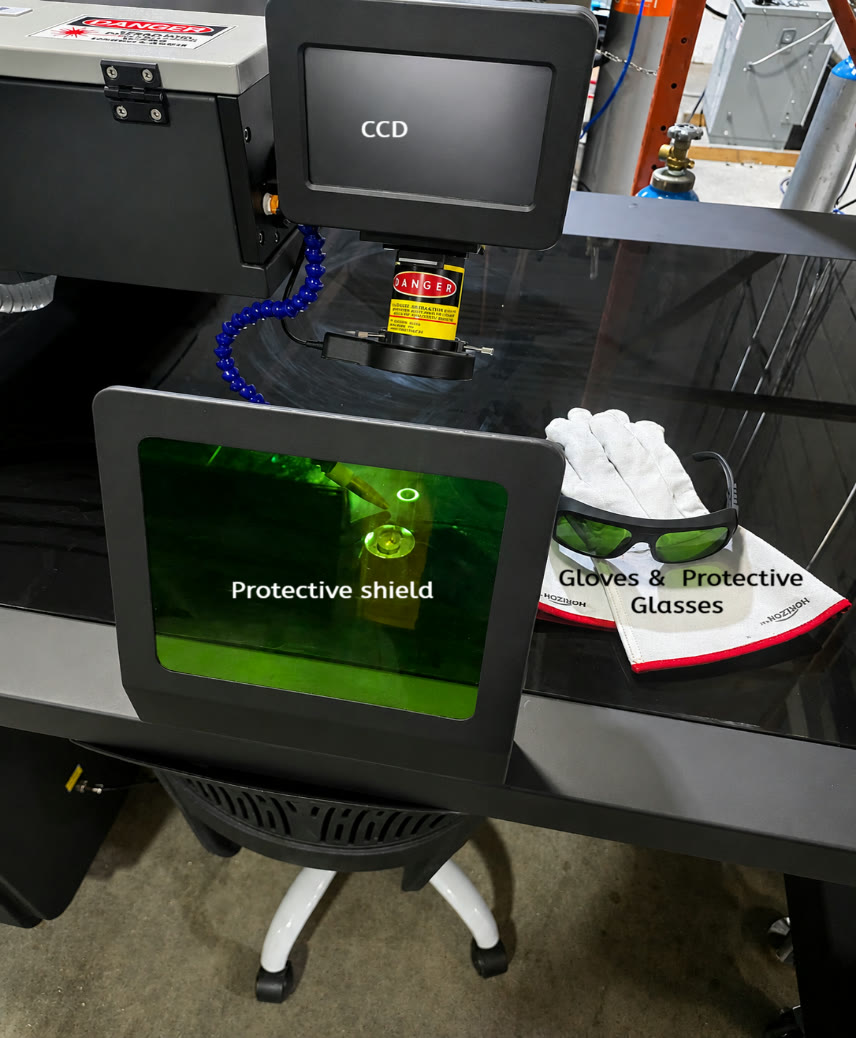
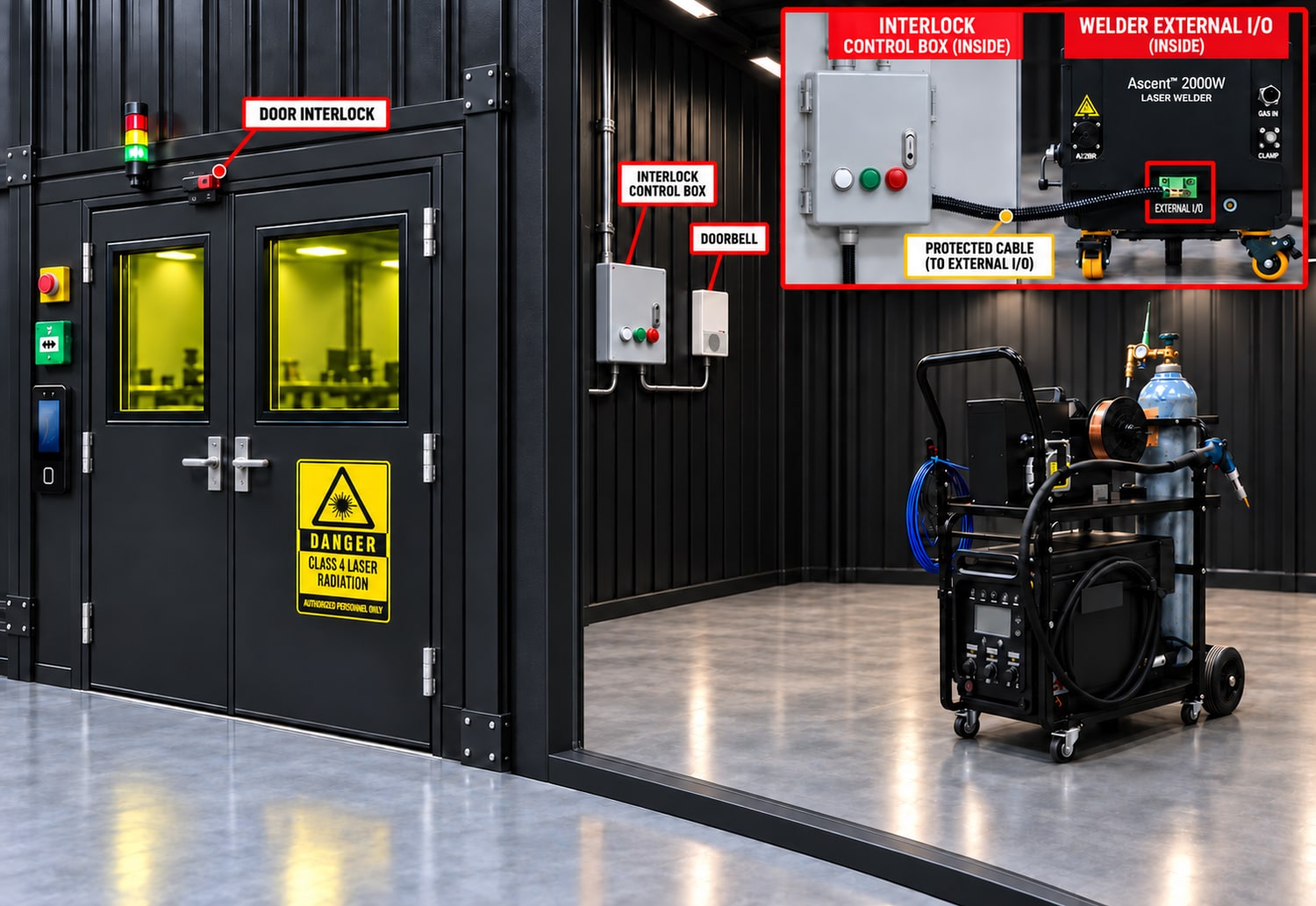
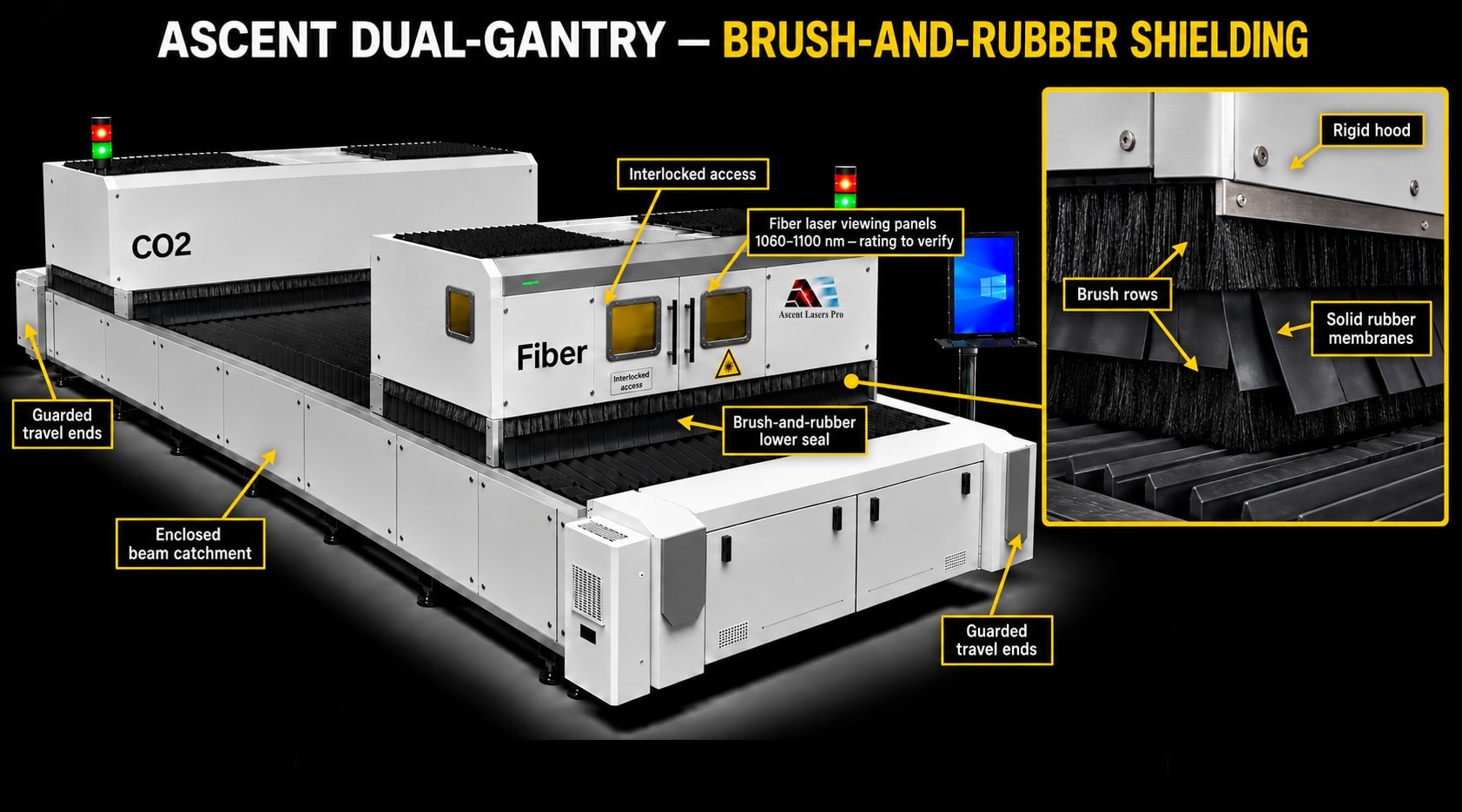
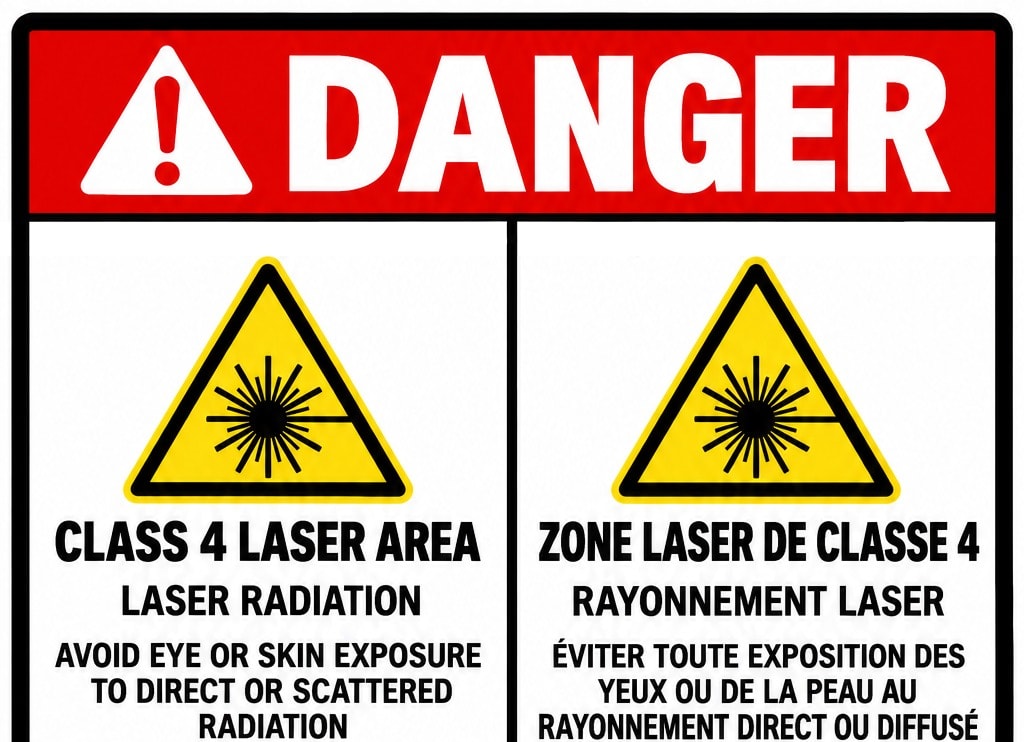
A simple interface helps operators work with confidence and shortens training. A fiber laser cutter is a Class 4 laser, so check for a full enclosure around the work area, and follow the guidance on our laser safety page.
Maintenance and support
Downtime costs money. Look at how the machine is built, and also at the support behind it. Installation, training and technical help all matter after the sale. With Ascent, installation and training at your facility are included in the price, software updates are free, and you get lifetime remote diagnostics. Technicians support customers from Buffalo, Toronto and Kentucky. The 5x10 fiber cutter has a 1-year warranty on workmanship and non-consumable parts.
Read also: How to troubleshoot common CO2 and fiber laser machine issues
Look at total cost
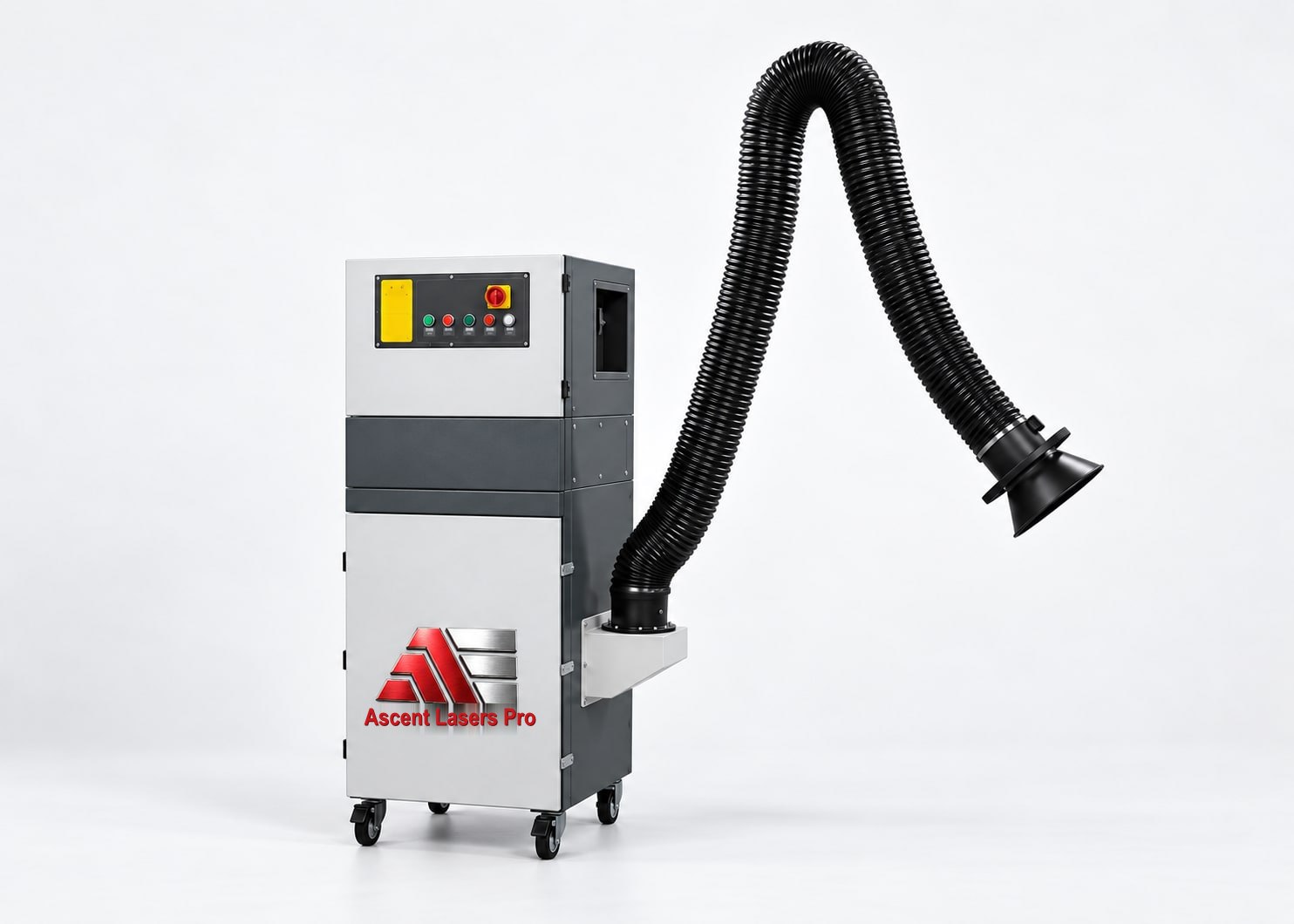
The lowest price is not always the lowest cost. Compare energy use, maintenance, consumables, training time and the risk of downtime. The Ascent quote includes the laser source, regulator, dust and fume collector, water cooling and a UL/CSA transformer, with freight as the only added cost.
Conclusion
Pick a CNC fiber laser cutter for the metals and thicknesses you cut now, with room for what you will cut later. Weigh power, accuracy, speed, safety and support together. To talk through your shop, visit Ascent Lasers Pro or contact us.