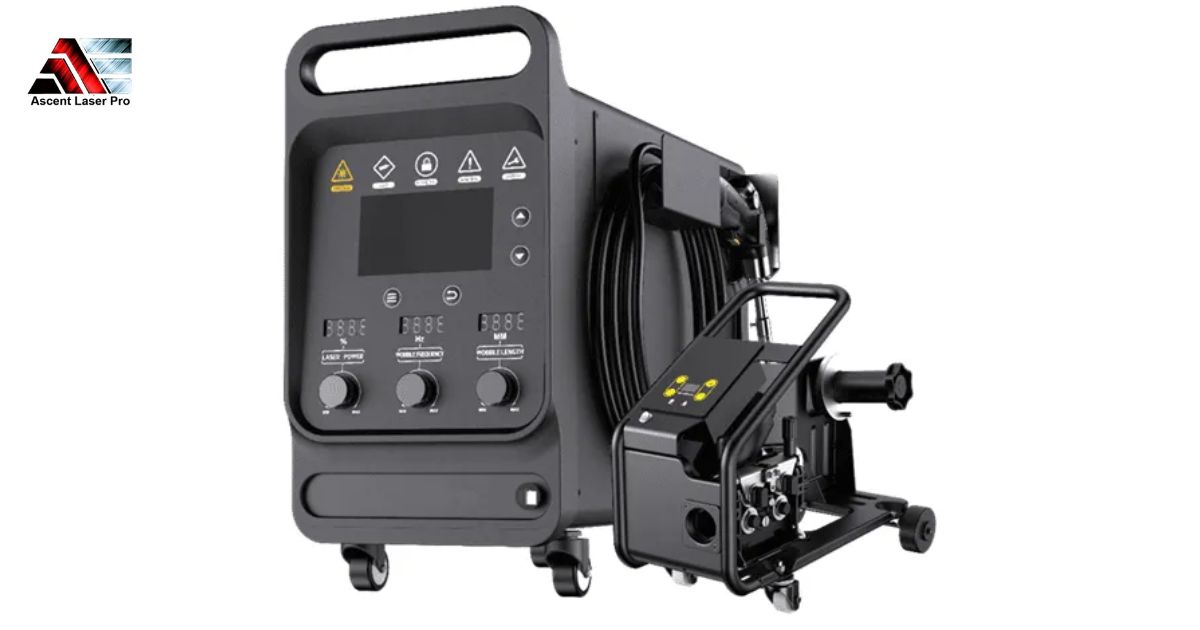
In the world of modern manufacturing, speed, precision, and efficiency are the keys to staying ahead. Enter the handheld laser welding machine, a game-changing tool that’s transforming the way industries approach welding. From automotive to refrigeration, this refrigerant handheld laser welding machine has quickly become a go-to solution for professionals seeking cleaner, faster, and more reliable welds. With its combination of cutting-edge technology and portable design, it offers unmatched flexibility for tackling a range of welding tasks on the go. Whether you’re working on intricate metal parts or need a quick fix in the field, this tool makes welding simpler and more efficient than ever before.
Tips to Maximize Efficiency
1. Understand Your Machine’s Capabilities
Before using a handheld laser welder, familiarize yourself with its power, cooling system, and material compatibility. Modern refrigerant handheld laser welding machines can handle aluminum, stainless steel, brass, and steel of varying thicknesses. Understanding limits helps prevent mistakes and ensures the highest quality welds. Reading the manual carefully and attending manufacturer training enhances your confidence and skill.
Read Also: Industries That Use Laser Cutting Technologies: Spotlight on Automotive Applications
2. Prioritize Safety Measures
Laser welding involves high-intensity light and heat. Always wear protective gear, including laser goggles, gloves, and heat-resistant clothing. Keep your workspace clean and free of flammable materials. Following proper safety protocols minimizes accidents and boosts work efficiency.
3. Prepare Your Work Surface
Clean, smooth, and properly aligned metal surfaces improve weld quality. Remove rust, paint, and debris before starting. A clean surface allows the laser to penetrate evenly, creating stronger and smoother welds. This preparation reduces the need for rework, saving time and energy.
4. Adjust Settings for Material Type
Every metal responds differently to laser energy. Adjust the power, speed, and focus based on the material and thickness. For example, stainless steel may require slower speeds than aluminum for a consistent weld. Fine-tuning settings ensures efficiency and reduces the likelihood of errors.
5. Maintain Consistent Motion
Smooth, steady movements during welding help prevent gaps or weak points. Avoid sudden jerks or stopping in one spot for too long. Consistency in motion improves weld appearance and strength, reducing the need for touch-ups and increasing overall productivity.
6. Leverage the Cooling System
Many refrigerant handheld laser welding machines include advanced cooling systems, such as air or direct refrigerant cooling. Use these features to prevent overheating, which can damage both the machine and workpiece. Proper cooling extends machine life and allows continuous operation without interruptions.
7. Keep Equipment Clean and Serviced
Regular maintenance ensures optimal performance. Clean lenses, mirrors, and nozzles after each session. Inspect wires, hoses, and connectors for wear. Scheduled servicing reduces breakdowns and downtime, keeping your projects on track.
8. Optimize Workspace Lighting
Good lighting helps you see weld points clearly. Shadows or dim areas can lead to errors and uneven welds. Bright, consistent lighting enhances accuracy and reduces eye strain during long sessions.
9. Practice Proper Positioning
Position yourself comfortably to reduce fatigue. Holding a laser welder at the wrong angle can affect weld quality and slow your progress. Align your body, workpiece, and laser for maximum control and efficiency.
10. Track Your Workflow
Document settings, materials, and methods for each project. Keeping a log helps replicate successful welds and avoid repeated mistakes. Over time, this practice improves efficiency, consistency, and confidence in your work.
11. Use Templates and Guides
When welding multiple parts, use jigs, clamps, or templates to hold components in place. This reduces errors and speeds up the process. Guides ensure accuracy and allow you to focus on executing precise welds without constantly repositioning the workpiece.
12. Train Your Team
If multiple operators use the same refrigerant handheld laser welding machine, ensure everyone receives proper training. Standardized techniques reduce variability, minimize errors, and enhance overall productivity.
13. Minimize Distractions
A focused workspace improves speed and accuracy. Keep unnecessary items away and maintain a clear workflow. Reduced distractions allow operators to pay attention to every weld, ensuring better results with fewer mistakes.
14. Monitor Performance
Regularly check welds for quality and consistency. Inspect each project and adjust techniques if needed. Continuous monitoring ensures you maintain high standards and reduces the risk of costly rework.
15. Upgrade Wisely
Invest in software or accessory upgrades if available. Some machines offer attachments or enhanced features that increase welding efficiency. Evaluate options based on your workflow and project needs to get the most out of your machine.
Read Also: Starting a Mold Repair Business Using Fiber Laser Welding
Summary:
Want to crank up your welding output and nail every joint with perfect accuracy? You can! The key is advanced tech, specifically the refrigeration handheld fiber laser welders available in the USA. They’re game-changers, offering unparalleled precision, speed, and dependability for every industrial challenge.
Ascent Laser Pro is your partner in this upgrade. We hook you up with the newest handheld fiber laser welders, complete with seamless installation, hands-on training, and ongoing support. Imagine easily welding aluminum, stainless steel, steel, and brass with one machine. Plus, we stock CO2 and fiber laser cutters to ensure your entire metal fabrication line is optimized for peak productivity. Let’s build your future, better and faster!
FAQ
Q1:Can a handheld laser welder be used for all metal types?
Yes, but settings vary by material. Aluminum, stainless steel, and brass each require specific power and speed adjustments for optimal results.
Q2:How often should I service my handheld laser welder?
Regular maintenance after every 50–100 hours of use is recommended. Clean lenses and inspect components to avoid downtime.
Q3:Is training necessary for beginners?
Absolutely. Training ensures safety and efficiency while maximizing weld quality.
Q4:What are the benefits of refrigerant cooling?
Refrigerant cooling prevents overheating, allows longer use, and extends machine life, maintaining consistent weld quality.
Q5:Can I use a handheld laser welder for large projects?
Yes, especially with advanced refrigeration handheld fiber laser welders in the USA. Proper planning and jigs can make even large-scale projects manageable.

Ascent Laser Pro offers advanced, FDA-certified laser solutions including fiber laser welders, CO2 cutters, and handheld welding systems. They provide expert guidance, installation, and training across industries, with a focus on safety and performance. With offices in Buffalo and Toronto, Ascent delivers high-quality, affordable laser equipment tailored to meet a variety of needs.
Ascent Laser Pro
John Doe is the expert behind Ascent Laser Pro, bringing years of experience in advanced laser technology. Passionate about innovation and precision, he provides insights into the latest laser solutions for professionals and businesses. With a deep understanding of industry trends, John helps clients maximize efficiency and achieve top-tier results. Stay informed with expert advice from Ascent Laser Pro—where cutting-edge technology meets excellence.